INDIEWIRE INCLUDES DE PALMA'S 'PHANTOM' IN 100 BEST OF '70s
AND THE IDEAL WAY TO WATCH IS THE ORIGINAL VERSION RESTORED, SUGGESTS ALISON FOREMAN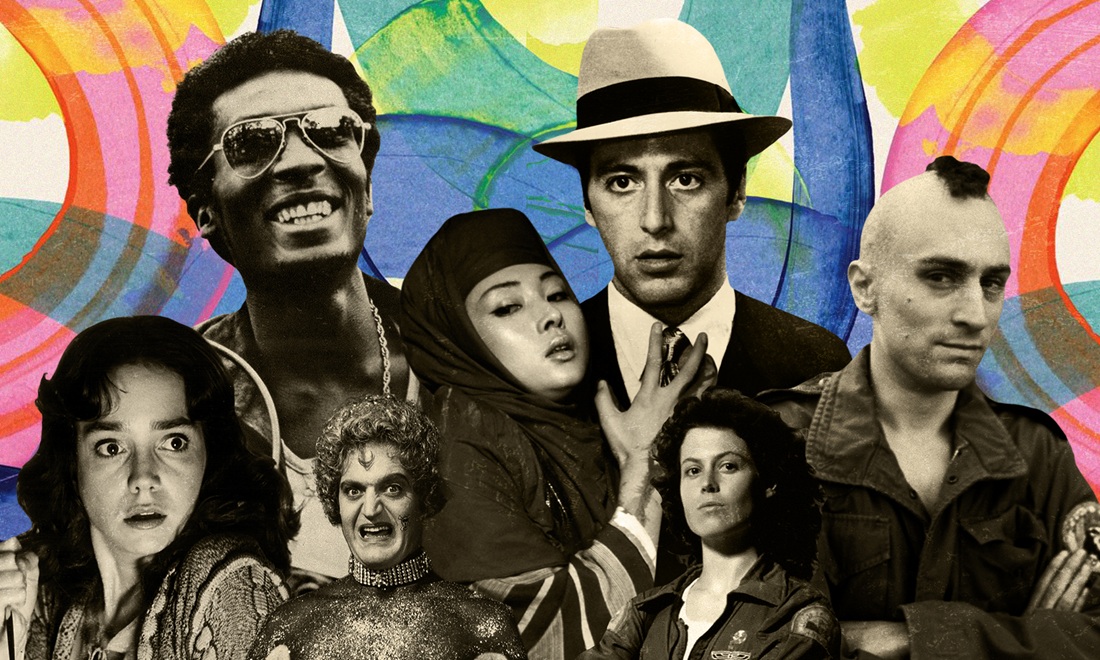
Is it strange that a list of the 100 best films of the seventies would not include
Brian De Palma's
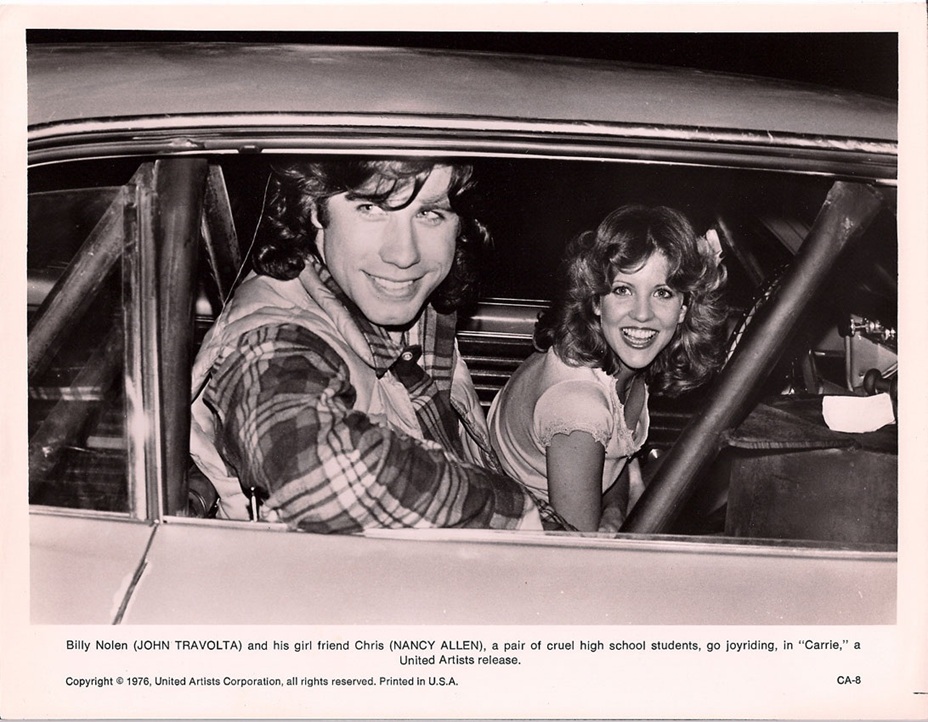
Carrie from 1976? Yes, in fact, it is. But we will decide not to complain since
IndieWire's "100 Best Movies of the 1970s" surprisingly lands De Palma's 1974
Phantom Of The Paradise all the way up at number 32. The article's lead image montage includes
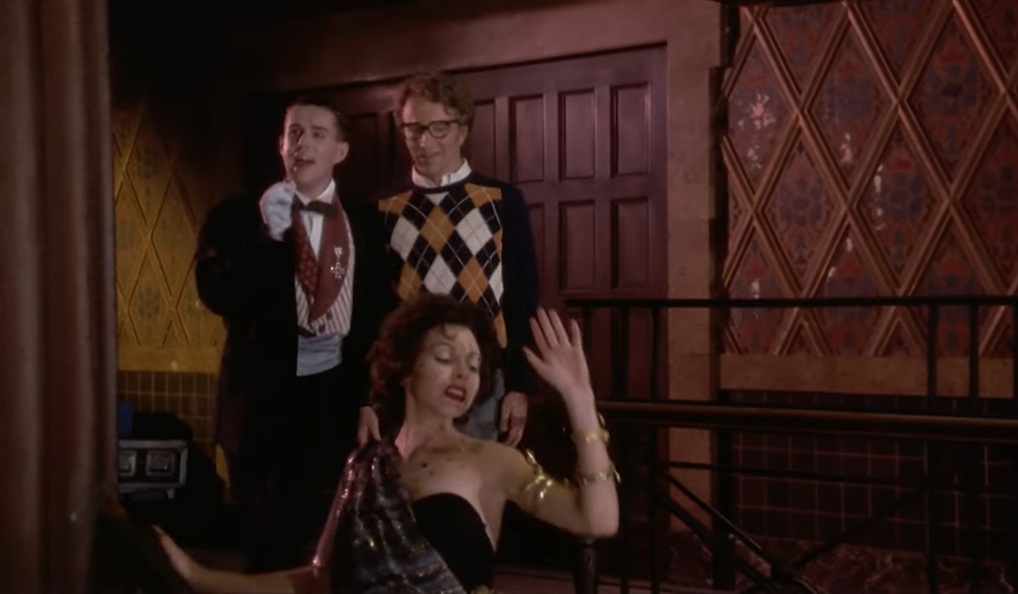
Gerrit Graham as Beef, right next to
Jessica Harper as seen in
Dario Argento's
Suspiria (ranking at number 41 on IndieWire's list). IndieWire staff writer
Alison Foreman provides the write-ups for both films:
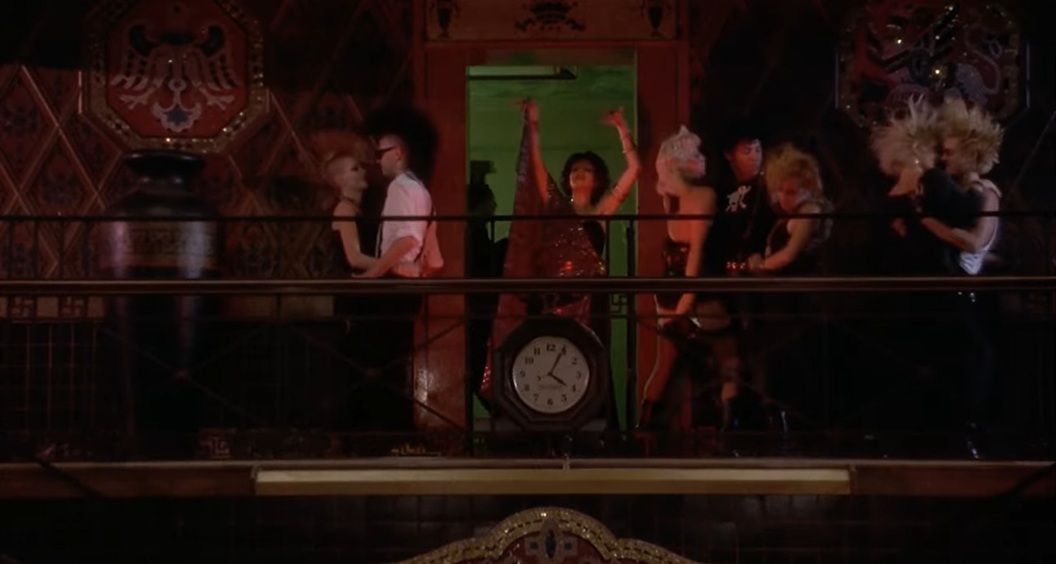
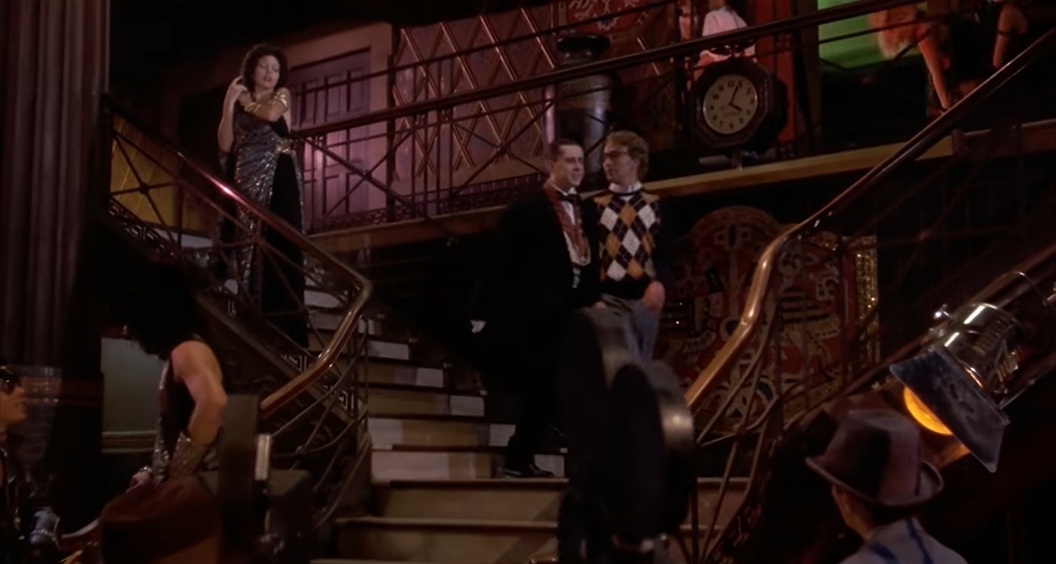
32 “Phantom of the Paradise” (dir. Brian De Palma, 1974) The fate of the midnight movie is still pretty much at the mercy of kids who can’t decide if they should cancel each other for liking “The Rocky Horror Picture Show.” But Brian de Palma’s “Phantom of the Paradise” reigns supreme as the definitive best piece of flashy genre cinema from the 1970s — a glorious ode to a rocker punished for his passion that was itself tortured on its rocky road to theaters.
Thanks to a nonsensical legal challenge from Led Zeppelin, moviegoers have to be pretty lucky to catch De Palma’s extraordinary 1974 glam opera as it was meant to be seen. Censorship plagues all publicly available versions of the film, and a particularly egregious restoration from a physical media release a few years ago left many fans disturbed by the intricate production details lost to its poorly updated color.
Still, whichever version you watch, the tragic tale of musical genius Winslow Leach (William Finley) shines through as a timeless testament to the power of talented freaks with a song to sing. Paul Williams scored “Phantom of the Paradise,” which also casts the Grammy-winning composer as the villainous namesake executive for Swan Records. Swan destroys what could be a quick rise to fame for Winslow and his band, The Juicy Fruits, when he steals the basis for their first hit song.
Enter Beef (Gerrit Graham), a competitive diva whose effort to help Swan screw over Winslow ends explosively. The glittery terror that surrounds that reveal commingles bejeweled platforms and fishnets (with some of the more disturbing elements of the Gypsy Rose Blanchard story?) in a singular “Phantom of the Opera” homage. It also sees “Suspiria” final girl Jessica Harper centerstage as its fresh-faced Angel of Music in a performance that could almost make you forget the movies’ later attempts at creating their own Christine. —AF
------------------------------
41 “Suspiria” (dir. Dario Argento, 1977) Shudder’s “Dario Argento Panico” is an essential documentary primer for any cinephile just getting into the complex, supersaturated legacy of Italy’s most notorious genre filmmaker. Understanding the dark psychology of a man who conjured up unfathomable suspense and horror — then repeatedly cast his real wife and kids as exquisite centerpieces in those artful nightmares — is, how do you say, “tutta una cosa.” That’s Italian for “a whole thing,” and basically the entire point for dedicated fans of the director.
Effectively standing in for a decade of brilliant giallo on this list, “Suspiria” is more than up to the task. The eerie magic Argento first conjured up in 1977 is best remembered for its illustrious use of color, even with “Deep Red” right there in the director’s filmography. The crimson splatters and jewel-colored glass that adorn the German ballet school where “Suspiria” takes place make it a crowning achievement in the pantheon of visual horror. That masterful dreamscape is reflected in the eyes of a young American dancer, Suzy Bannion (Jessica Harper), whose serpentine descent into supernatural madness plays out like a lethal recital on psychedelics.
Loosely translated, “Suspiria” means “breathing” or “to take a deep breath.” That quietly sensual undercurrent might explain why “Challengers” director Luca Guadagnino and “50 Shades” muse Dakota Johnson teamed up to revive Argento’s classic as a high-concept art film with a well-disguised Tilda Swinton in the critically-acclaimed remake from 2018. The original can’t evoke quite the same visceral response as that film’s updated effects, but anyone whose seen the atrium-hanging sequence should be able to convince you to watch both versions. Trite but true, there’s more than one way for a witch to step on your neck. —AF