

.
|
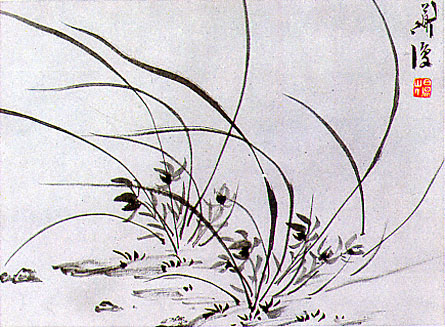
I came to Hue for the first time in 1964 as a young U.S. Marine lance corporal. My unit, Marine Medium Helicopter Squadron 365, was to transport Vietnamese soldiers into battle and Hue was the staging point for the assault elements. I remember looking at the massive walls as we flew over them, thinking then how difficult it would be for an attacker to try to wrest control of the Citadel from a defending force. During the Tet of 1968, Viet Cong and North Vietnamese Army troops attacked and occupied a great part of the walled city. The communist troops were joined and reinforced by students of the University at Hue. U.S. Marines of the 5th Regiment were ordered to move against the dug-in enemy. The Marines, after 26 days of some of the bitterest hand-to-hand fighting in the history of the Corps, by skill and valor, prevailed and recaptured the Citadel. The next time I saw Hue was a few weeks after its recapture. Everywhere I looked I saw only devastation. Not a building was left unscathed. The people, what was left of them, reclaimed a city that had become a desert. Those who could not leave or could not hide were gone. Those who stood against force were consumed by the force. Everything had died. Only the grass continued to flourish. Only the grass knew whereof the dead that it covered. Once you held the treasure of Annam's wealth. Behind locked vaults, it glittered, kept, unspent. But you spent a greater treasure - minds of men, and the zeal, and the blood of fiery youth. What can your crumbled walls teach that I could not have learned from a single blade of grass?
|
HUE - pronounced WAY
