Breast Cancer...
WHAT CAUSES BREAST CANCER?
Scientists do not understand exactly what causes breast cancer. Studies suggest that several categories of women are at increased risk for the disease: those with a long menstrual history (menstrual periods that started before age 12 and ended after age 50); those who never gave birth or who waited until after age 30 to have children; and those who have used birth control pills or hormone replacement therapy. Such risk factors, all of which relate to hormone-based life events, suggest that breast cancer is somehow affected by prolonged exposure to female sex hormones, such as estrogen.
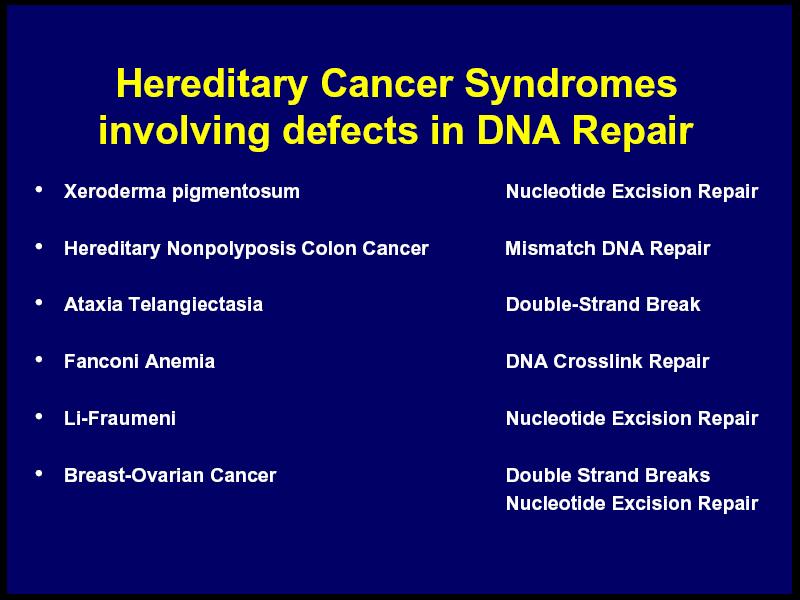
Women with a history of breast cancer in the family are also at greater risk. About 5 percent of all breast cancers have been attributed to a mutated, or structurally altered, gene known as BRCA1. Mutations in a second gene, BRCA2, contribute significantly to the development of breast cancer in Jewish women of eastern and central European origin.
Breast cancer seems to be more common in women who do not exercise regularly and are unable to maintain a healthy body weight. Alcohol has also been linked to increased risk for breast cancer. The ACS reports that women who drink two to five alcoholic beverages a day have about 1.5 times the risk of developing breast cancer than women who drink no alcohol.
Studies also indicate that women who routinely work night shifts may increase their risk of developing breast cancer by as much as 60 percent. Scientists theorize that the body’s production of melatonin (a hormone that, among other tasks, regulates sex hormones) peaks during nighttime darkness. Exposure to bright light during the night decreases melatonin production, which may in turn increase estrogen levels. These studies may account for why women in industrialized nations, who are exposed to more artificial light at night, have a greater risk of breast cancer than those in developing nations.
Breast cancer of the genes linked with breast cancer susceptibility, BRCA1 and BRCA2 are the best recognized. Mutations in these genes are uncommon but are highly penetrant and have a large impact on risk regardless of environment. Women who carry BRCA1 mutations are thought to have a 40 to 80 percent chance of developing breast cancer in their lifetimes, while women with BRCA2 mutations appear to have a slightly lower lifetime risk (30 to 70 percent). Together, mutations in these genes are thought to explain a large portion of the breast cancers that occur in women with a very strong family history. At least one more as yet unidentified gene is thought to account for the remainder of hereditary cases.
The majority of breast cancer cases are sporadic and do not have a clear familial inheritance pattern. In these cases, common genetic polymorphisms are thought to have modest effects on risk and may interact with known risk factors, such as those that increase lifetime estrogen exposure. Studies indicate that estrogens affect growth and differentiation of breast cells and that certain estrogen metabolites can cause DNA oxidative damage, leading to mutations in growth regulatory genes. Thus, candidate breast cancer susceptibility genes have included genes involved in the synthesis and metabolism of estrogens (e.g., cytochrome P450 and glutathione S-transferase genes), genes involved in reducing oxidative DNA damage (e.g., manganese superoxide dismutase), and genes involved in DNA repair of oxidative damage (e.g., XRCC1).
What are the risk factors leading to the development of breast cancer?
Age
The incidence of breast cancer increases with age and doubles every 10 years until the menopause when the rate of increase slows. Approximately a quarter of breast cancers affect women under the age of 50, a half occur between the ages of 50 and 69 and the remaining quarter develop in women who are 70 years or older.
Geographical variation
There is quite a difference in incidence and death rate of breast cancer between different countries. The biggest difference is between Eastern and Western countries. Recent, age-adjusted figures show that the rate of breast cancer per 100,000 women is 24.3 in Japan and 26.5 in China compared to 68.8 in England and Wales and 72.7 in Scotland and 90.7 in North America in white females.
However, studies of women from Japan who emigrate to the US show that their rates of breast cancer rise to become similar to US rates within just one or two generations, indicating that factors relating to everyday activities are more important than inherited factors in breast cancer.
Reproductive factors
Women who start menstruating early in life or who have a late menopause have an increased risk of breast cancer. Women who have natural menopause after the age of 55 are twice as likely to develop breast cancer as women who experience the menopause before the age of 45.
Age at first pregnancy
Having no children and being older at the time of the first birth both increase the lifetime incidence of breast cancer. The risk of breast cancer in women who have their first child after the age of 30 is about twice that of women having their first child before the age of 20. The highest risk group are those who have their first child after the age of 35 and these women have an even higher risk than women who have no children.
Inherited risk
Up to 10 per cent of breast cancer in Western countries is due to an inherited factor. This factor can be passed on from either parent and some family members pass on the abnormal gene without developing cancer themselves. It is not yet known how many breast cancer genes there are, but to date, two specific breast cancer genes have been identified.
Previous breast disease
Women with certain benign changes in their breasts are at increased risk of breast cancer. These women present with a breast lump, have an operation and the breast tissue removed shows severe overgrowth of the cells lining the breast lobule.Radiation
Doubling of the risk of breast cancer was observed among teenage girls exposed to radiation during the second world war. Another study of women who received radiation to the chest as a result of repeated X-rays for tuberculosis, found that there was a risk among women who were first X-rayed between the ages of 10 and 14 years. Fortunately, as TB itself has been prevented, this risk is less relevant today.
Other studies have shown that women with Hodgkin's disease who received radiation therapy to the chest have an excess risk of breast cancer. As they are surviving to older age they are now developing not only unilateral but bilateral breast cancer. The increase in risk depends on the dose and the age at which they received radiation. Data has also suggested that there is increased risk of contralateral breast cancer in patients having radiation to one breast.
Lifestyle
Although there is a close correlation between the incidence of breast cancer in a country and the dietary fat intake of that country, more detailed studies have shown that there does not appear to be a particularly strong or consistent relationship between fat intake in any individual and their risk of developing breast cancer.
Weight
Being overweight is associated with a doubling of the risk of breast cancer in postmenopausal women whereas amongst premenopausal women obesity is associated with reduced breast cancer incidence.
Alcohol intake
Some studies have shown a link between the amount of alcohol people drink and the incidence of breast cancer, but this relationship is not consistent and may be influenced by other dietary factors rather than alcohol.Hormones
Women who take the oral contraceptive pill are at a slight increased risk while they take the Pill and they remain at risk for 10 years after coming of the Pill. The increased risk is, however, very small and cancers diagnosed in women taking the oral contraceptive Pill are less likely to have spread than those cancers diagnosed in women who have never used the oral contraceptive. The duration of use, age at first use, dose and type of hormone within the contraceptive appears to have no significant effect on breast cancer risk. Women who begin taking the Pill before the age of 20 appear to have a higher risk than women who begin taking oral contraceptives at an older age.
Hormone replacement therapy
Among current users of hormone replacement therapy(HRT) and those who have stopped using it one to four years previously, there is an increased risk of breast cancer. The risk increases 1.023 times for each year of use. This increased risk is very similar to the effect of a delay in the menopause by one year. The risk of breast cancer in a woman who has not used HRT increases 1.028 times for each year she is older at the menopause. There is no marked variation between different types of HRT or dose of HRT and breast cancer risk. Cancers diagnosed in women taking HRT tend to be less advanced clinically than those diagnosed in women who have not used HRT. Current evidence suggests that HRT does not increase breast cancer mortality.