
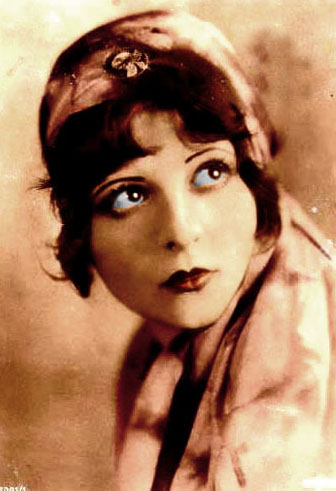
Clara Bow, a red-haired, lower class Brooklyn girl was a popular actress of the 1920s. She stared in many motion-pictures including The Plastic Age (1925), in Dancing Mothers (1926) And in her break out hit Mantrap (1926).
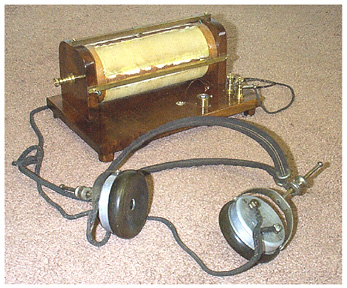
Radio broadcasting began in the 1920s. Few people actually heard the voices and music which were produced because of the quality of radio receivers at that time. The public, however, was overcome by a radio craze after the initial broadcast. Radio became a product of the mass market. Manufacturers were overwhelmed by the demand for receivers, as customers stood in line to complete order forms for radios after dealers had sold out. Between 1923 and 1930, 60 percent of American families purchased radios. Families gathered around their radios for night-time entertainment. As radio ownership increased, so did the number of radio stations. And by 1922, 600 radio stations had sprung up around the United States. Chicago's first radio station, KYW, begun in 1921 by Westinghouse Electric and Manufacturing Company, which was the first specialized radio station, broadcasting opera six days a week. The radio station experienced immediate popularity and continued to be a favorite in Chicago. After the opera season ended, the station owners saw the need to better their programming. They began broadcasting things like popular music, classical music, sporting events, lectures, fictional stories, newscasts, weather reports, market updates, and political commentary.
The rapid spread of radio listeners and programs lead to confusion and disruption. Listeners were amazed with the ability that to hear things out of a box. The federal government hesitated to regulate the airwaves. Radio stations, listeners, and emerging broadcasting corporations all asked the government for some sort of intervention to end the free-for-all that radio had become. The government responded slowly, gradually passing laws to govern the radio. The Federal Radio Commission was set up in 1926, the Radio Act of 1927 organized the Federal Radio Commission. This Act became the basis for the Communications Act passed after the rise of television.
Movies during the 1920s usually were in black and white and had no sound. Some famous movies during this era included: Ben-Hur, Son of the Sheik, and Wings.
People think music first started with today's musicians, but this is not true at all. Some of the most spectatcular musicians were all from the twenties. Music first originated in the twenties. No, people didn't play all the pop and rock music that you here on the radio. The 1920s was the Jazz and Dance era of the United States. Jazz was the big thing during these roaring years.
