Paintings
Study of Human Proportions According to Vitruvius, 1490

- Vitruvius was a Roman philosopher of the first century B.C.
- Renders Da Vinci's interest in mathematics
- depicts the perfect male form in relations to a perfect square and
a perfect circle
The Last Supper, 1497
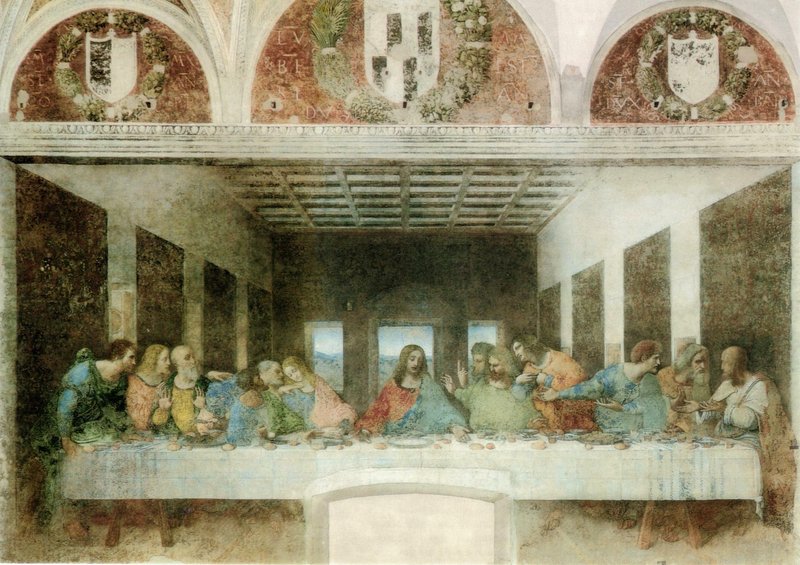
- painted for Duke Lodovico Sforza
- located in Milan
- depicts the final gathering of Jesus Christ and his disciples
- space is created through
linear perspective
- a bomb fell on this monastery during World War II, miraculously
missing the painting by about one yard
- restoration has been performed on the wall about six times
- paint layers of pitch, mastic, gesso, and tempera explain the
deterioration of the piece
Madonna and Child with Saint Anne, 1506
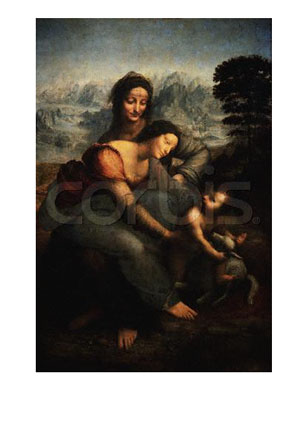
- Located in Musée du Louvre at Paris, France
- Portrays the Virgin Mary, seated on the lap of her mother Saint Anne,
and restraining baby jesus from stepping all over the lamb
- Foreshadows inklings of biblical citations, such as:
1) beginning of time, represented by the rocks and water in the
background
2) Jesus's latter lamb sacrifice, represented by the lamb
3) hanging of the cross, represented by the dark tree
- piece was deamed "unfinished"
Mona Lisa, 1507
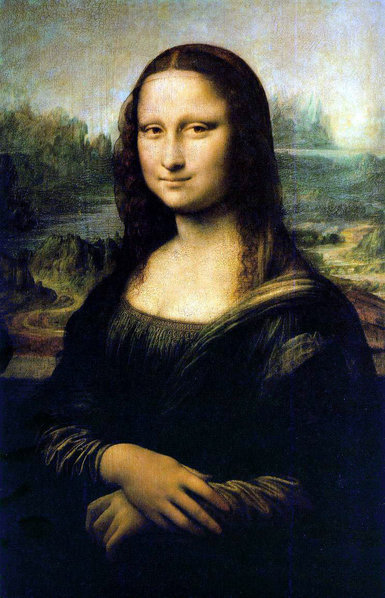
- The alternative title to this piece is "La Giocanda," which in
Italian means "light-hearted woman"
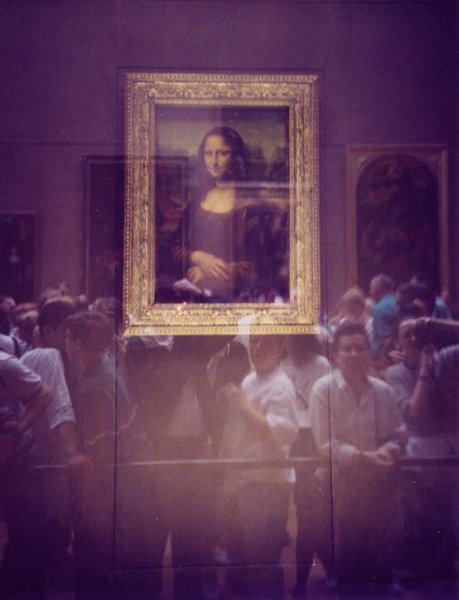
- Located in Musée du Louvre at Paris, France
- By far Da Vinci's favorite piece
- Often described as the most famous piece in art history
- The background overlooks a landscape of rock and water
- Use of light is considered a breakthrough for Renaissance artists
- Da Vinci was appointed court painter to the King of France, Louis XII
the same year the piece was finished

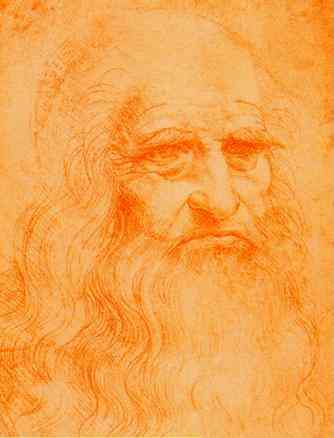 - Located at Royal Library in Turin - drawn with red chalk - age of sixty - was partly paralyzed at this time due to a minor stroke
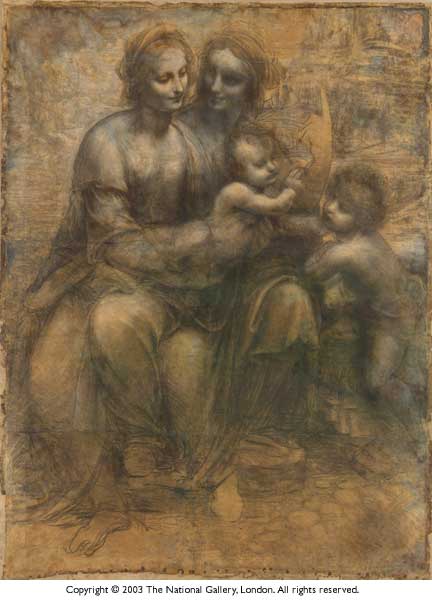 - located in The National Gallery at London - darks are made with black charcoal - lights are made with white chalk - Da Vinci died only several years after the painting
 You are listening to John Lennon's "Imagine."