By the Author of the Scrapboard : | |
|---|---|
 | Attack, Avoid, Survive: Essential Principles of Self Defence Available in Handy A5 and US Trade Formats. |
 | |
 | Crash Combat Fourth Edition Epub edition Fourth Edition. |
 | |
 | |
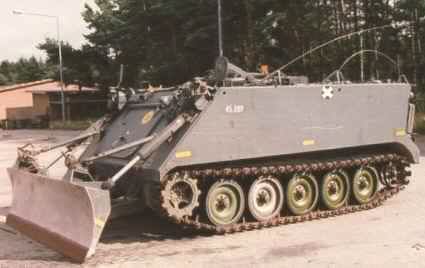 They should be V-shaped, like those on the new M1 Grizzly engineer vehicle (below) to push debris and roadblocks out of the way. In past wars, obstacles in tight urban areas often impeded the advance of armored vehicles. V-shaped shields also allow vehicles to easily knock down doors and walls. The shield may have a row of sharp "hedgehog" teeth to cut through brush, like those improvised by Americans during the 1944 Normandy fighting. Shields could also be used to clear brush for helicopter landing zones or around defensive positions, and clear roads in urban areas of minor debris so trucks can move forward.
 The best value of the shield would be for protection from direct frontal fire using the concept of armor spacing. Anti-tank shaped warheads would explode and punch a hole though the angled shield, as would 20-40mm gun fire. However, most of the explosive force would dissipate before it struck the light hull armor two feet behind. This would not stop most tank rounds and larger anti-armor missiles, but would afford far more protection than any light armored vehicle in service today. This requires the shield to be taller and thicker than those pictured here, which may pose problems for the driver. However, new vehicles are equipped with tiny remote cameras and flat screen viewers which provide drivers with excellent awareness when his direct view is blocked.
By the Author of the Scrapboard : | |
|---|---|
| | Attack, Avoid, Survive: Essential Principles of Self Defence Available in Handy A5 and US Trade Formats. |
| | |
| | Crash Combat Fourth Edition Epub edition Fourth Edition. |
| | |
| | |