

Addictions included on this site
My Favorite Web Sites
What Drugs Look Like
In your face facts
Heroin video
Drug free America
Heroin Facts
Drugs and Alcohol are most frequently thought of when talking about addiciton, but I will also include on this site other abused substances or situations...eating disorders and relationships. This site is currently under construction, but please meail me with informaiton or stories or sites to add on ASAP, as I am working to get htis page ready and perfected by April 1999.!


More recently a smokeable form of cocaine called crack is become increasingly more common. Crack is purer and more concentrated than soluble cocaine and is absorbed into the body faster than if it is snorted. Until recently the expense and rarity of the drug meant it was regarded as a drug of the more well off, although lowering prices and a wider availability mean that it has now become more common.
The effects are strong and fade quickly. Because cocaine is not cheap, some users spend vast sums of money to keep the buzz going, they really feel that they cannot do without it.
In the short term cocaine produces feelings of well-being, mental exhilaration, reduced appetite and great physical strength and mental capacity. However, the intended
feelings can often be replaced by feelings of anxiety or panic. When snorted the effects of cocaine peak in about 15-30 minutes and then fade, which often encourages
users to repeat the dose in order to maintain the effect. Large doses or lots of quickly repeated doses over a period of hours or days can lead to extreme states of
agitation, anxiety, paranoia and possibly hallucinations which generally fade when the drug leaves the body.
After effects can include tiredness and depression. Excessive doses can in rare cases cause death from heart failure. Cocaine in any form can be bad news for anyone with high blood pressure or heart problems.
Long term users do not necessarily develop tolerance, but are often tempted to increase doses for a more intense effect. Discontinuation of the drug produces tiredness, sleepiness and depression, which can encourage users to take more to alleviate these side effects.
Cocaine is thought to produce a physical dependency in some people, although this is still being debated and researched. Crack does produce a strong physical dependency. With regular heavy use increasingly unpleasant symptoms occur. Euphoria is replaced by an uncomfortable state of restlessness, over excitability and feelings of nausea. With continued use this can lead to paranoid psychosis. Regular users may appear chronically nervous, excitable and paranoid. Confusion with exhaustion, due to lack of sleep is common. These effects may all disappear once use is stopped, however a paranoid mental state may be irreversible and permanent. Repeated snorting of cocaine may also damage the nasal membranes. Smoking crack can produce severe respiratory problems.
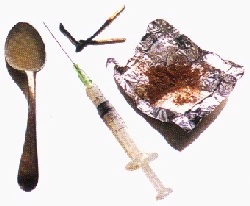
Opiates are derived from the dried 'milk' of the opium poppy which contains morphine and codeine, both of which are effective painkillers and are used for many medical uses (both are used in many cough medicines and anti-diarrhoea treatments). Heroin in its pure form is a white powder which is easily soluble in water.
There are a number of synthetic opiates which are used as painkillers including pethidine, dipipanone, diconal, temgesic, dihydrocodeine (DF118's), morphine, and also methadone which is often prescribed for heroin and opiate addiction. Collectively opiates and synthetic opiates are called opioids.
Opioid powders can be swallowed or dissolved in water and injected. Heroin is sometimes sniffed, or the fumes from the heated powder is inhaled (this method is sometimes called 'chasing the dragon').
The large majority of heroin is illegally manufactured and imported, which originates largely from the Indian sub-continent. When sold at street level it is likely to have been diluted or cut with a variety of similar powders. The main dilutant is glucose. However, the practice of using other substances such as caffeine, flour and talcum powder is a constant danger to users as is the occasional "rogue" batch of heroin which is pure.
General effects of use
As well as killing pain, moderate doses of pure opioids produce a range of mild effects. They depress the activity of the nervous system, including such reflexes as coughing, breathing and heart rate. They also cause widening of the blood vessels, which gives a feeling of warmth and reduces bowel activity, which causes constipation.
Even with doses sufficiently high to produce euphoria, there is little interference with muscle co-ordination, sensation or intellect. At higher doses however, sedation takes over and an overdose will result in unconsciousness, coma and on occasions death from respiratory failure. The chance of an overdose is greatly increased if other depressant drugs are being used at the same time.
Users often experience nausea and vomiting the first time they take the drug, especially after injecting. When sniffed or snorted heroin produces a less intense effect than when it is injected. The effects when smoking heroin can be expected to come on as quickly as after an injection, but are less strong.
Long-term use of opioids causes tolerance to develop so that in order to achieve the same degree of euphoria, larger and larger doses must be taken. When people have been off the drug for some time their tolerance decreases and a common cause of death results from a user taking the same amount of drug used before they stopped or reduced their drug intake.
When high doses have been taken for several weeks, a sudden withdrawal causes symptoms of discomfort similar to flu. These include aches, sweating and chills, tremor, sneezing and yawning and muscular spasms, all or some of which usually commence between 8 and 24 hours after the last dose of heroin. Although these effects usually fade within 7 to 10 days, feelings of weakness and loss of well being can last for several months.
Prolonged usage can cause physical damage to the body, although not necessarily from the drug itself. Repeated injections with dirty needles can result in diseases such as Hepatitis, and AIDS, especially when sharing needles. There is also a risk of using impure drugs which have been mixed with unknown substances. Repeated sniffing of heroin damages the nose.
Apathy and reduced appetite caused by drug use can lead to disease as a result of a poor diet, self neglect and bad housing conditions. The increasing cost of satisfying tolerance/dependence can lead to financial difficulties which can result in self neglect and major social problems.
Much of this info is from other sites, please visit your favorite search engine to find the best, most informative information on drugs and drug use. I simply made this site becasue at the time I had a clsoe friend who was involved heavily in drugs.



