|
|
|
This page is designed to show you what helps me on the field everyday.
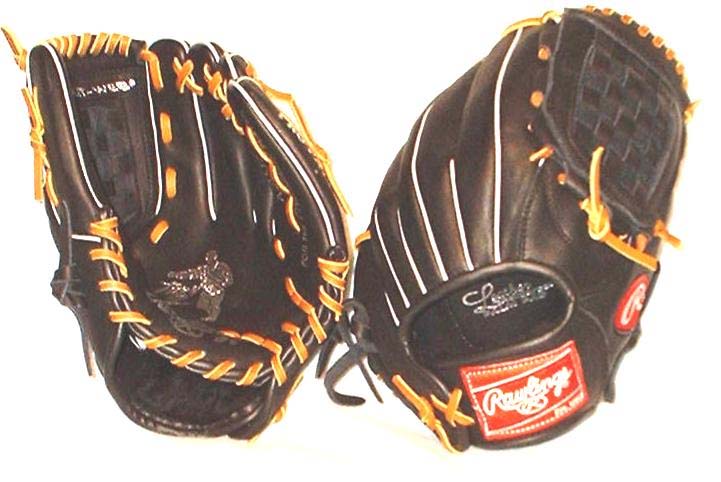
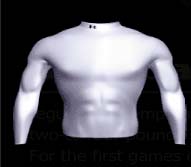
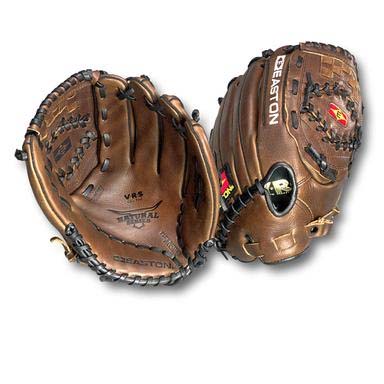
I have been playing baseball for almost 13 years and have been through countless bats, gloves, and other equipment. Listed above are the items in which I feel most comfortable with. If your wondering about buying something for your own use here are some tips before you go. Aluminum Bats: Everyone has a different feel for bats. Some can handle a 34in - 31oz bat without a problem, but most people can't. When your looking for a bat it is important to find one that feels good not only in your hands, but also in your swing. You have to be able to handle the bat. Don't buy something to big or to heavy just because that star player has it or one of your friends is using it. Go for what is right for you. Make sure you do not use your game bat in practice. This will only wear down the bat quicker. Wood Bats: Wood bats are very important if you want to become a real hitter. These should be used exclusively during practice. Using a wood bat will allow you to gain better ball placement on the bat. The sweet spot on a wood bat is much smaller than that of a aluminum bat, therefore making it harder to hit consistently. By using a wood bat it will allow you to train yourself and be able to hit the sweet spot better and more often. When choosing a wood bat remember that they will only be used in practice so make sure you don't go out a shell out $100 for one. Wood bats can and will break. My bat of choice is the Mizuno PBA 2000. It's a 34in - 32oz bat that is not very expensive, but very durable. I mainly use it for pre-game or batting practice. I also use a Rawlings Model 232 which is 33in - 32oz. It is extremely cheap, but very good for practice. I mainly use this bat for heavy cage work or off the field drills. A good thing to remember is that when a wood bat cracks its not necessarily useless. Most cracks can be fixed with wood glue and a clamp, but the day will come when that bat will finally spit in two, and you will be forced to buy a new one. Gloves: The glove you pick is probably one of the most important decisions you can make. Its important to note that certain gloves are made for certain positions. If your a pitcher make sure your glove has a closed webbing. This will help you hide you pitches better. For middle infielders your gloves should be at the biggest 11 1/2in. Smaller gloves are necessary for a quick exchange of the ball from your glove to your hand. Gloves this size also allow flips to be made easier then with larger gloves. If your a third baseman then you can go a little bigger than the middle infielders probably around 12 1/2in. This is due to the space you are from the hitter. A bigger glove will allow you to get to more balls or knock them down when they come screaming down the line. Outfielders have the biggest gloves and there around 12 1/2in - 14in. These are essential for making those highlight reel catches. One thing to consider when buying a glove is the way it feels on your hand. You have to be comfortable in the glove otherwise you won't be able to gain full use of it. Think of a glove as an extension of your own hand. When choosing a glove don't just pick one because it looks good. Make sure it feels right and is made of a durable material. My recommendation is to start by looking at Mizuno and Rawlings mitts. Both companies make excellent gloves for the serious players. Miscellaneous Items: If your a serious ball player I recommend you get some Under Armor compression shirts. They will keep you at the right temperature all game long.
|