
| The Greek islands | Lipsi HOME | Arki | Leros |
 |
 |
 |
 |
 |
 |
 |
 |
 |
 |
| Lipsi Island in Greece |


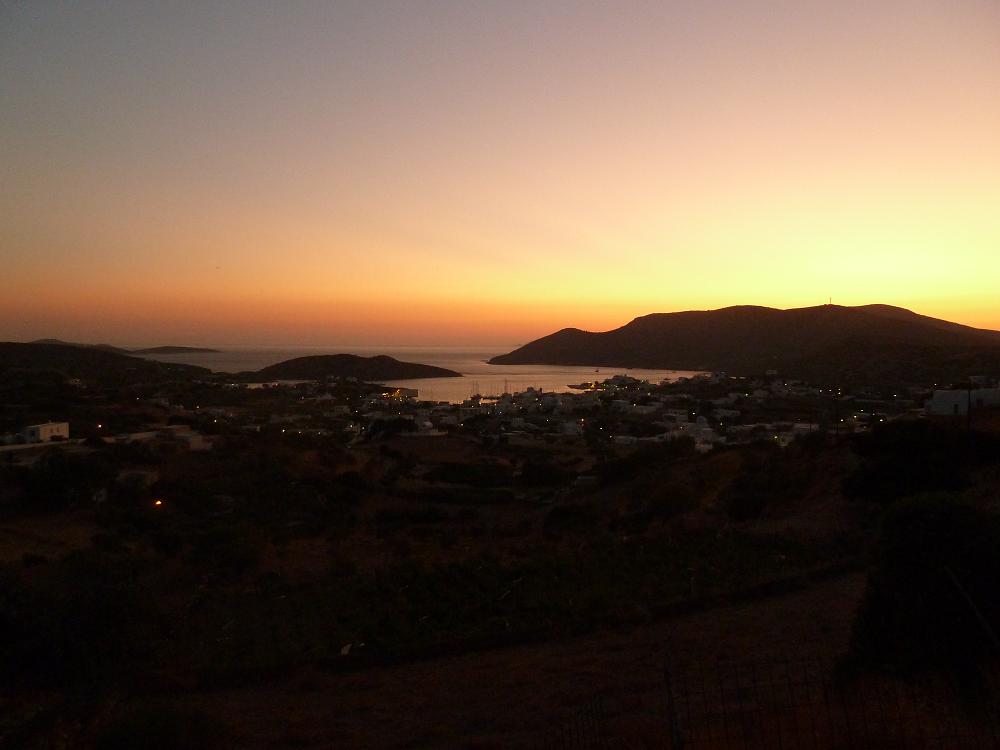
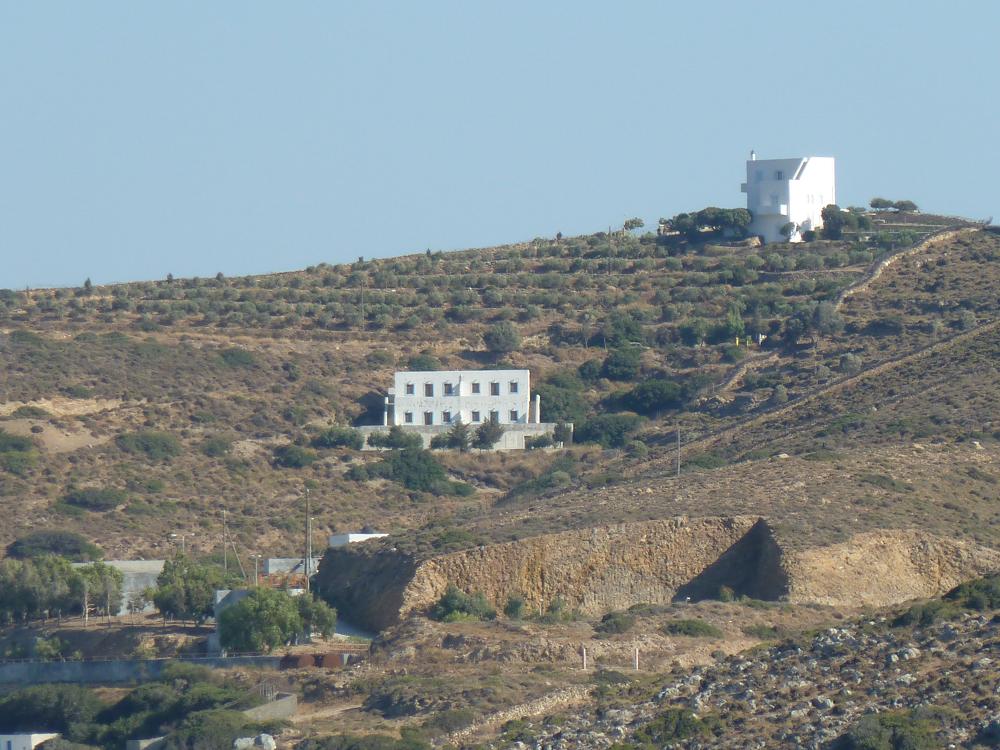
Lipsi (also known as Lipsos) is one of the quiet small islands north of Patmos (like Agathonissi and Arki). It is the most developped of the three and it offers good beaches and a get away from it all atmosphere. The island is surprisingly fertile for such a small Dodecanese island. With enough groundwater for some agriculture, mostly vines, olives, figs and tomatoes, and a with a small but sustainable tourist industry, the island seems reasonably comfortable. Most of the visitors to the island are day-trippers from the nearby islands of Patmos and Leros. The name of Lipsi derives from the Odysseus myth, and he was supposedly imprisoned on the island for seven years by the Goddess Calypso when he was on his way back from Troy to Ithaca. "Lipsi" comes from Leipsos, which means "lack". Lipsi has never been an important island. It is quite low and dry and it lacks defendable places. Through the history it has mainly been just a part of the island of Patmos, allthough like all the islands in the Dodecanese, Lipsi seems to be inhabited since prehistoric times. On various places items have been
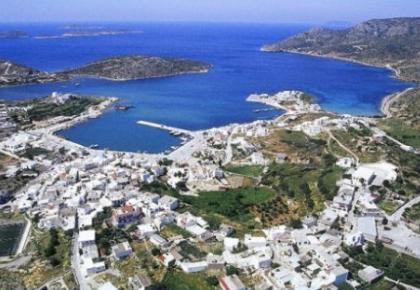
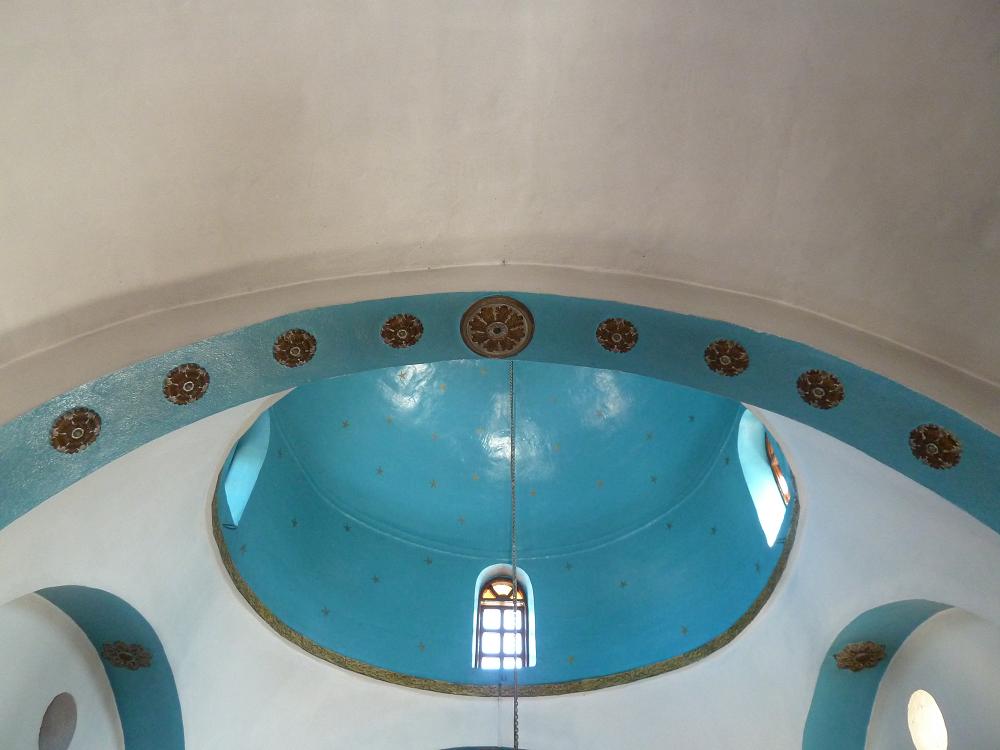
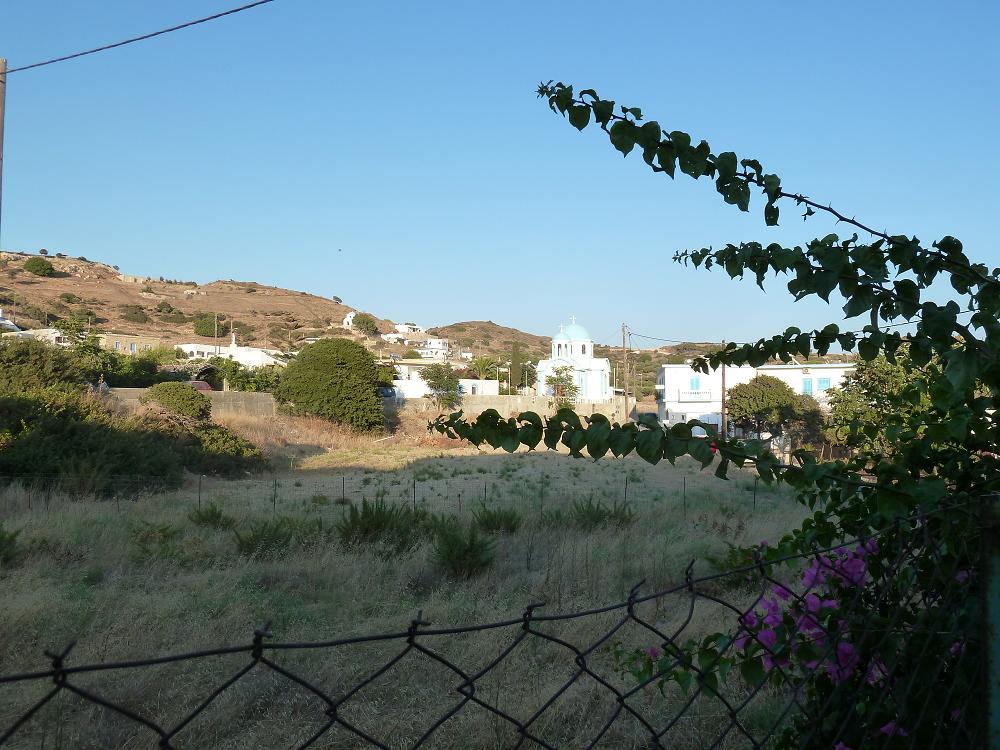
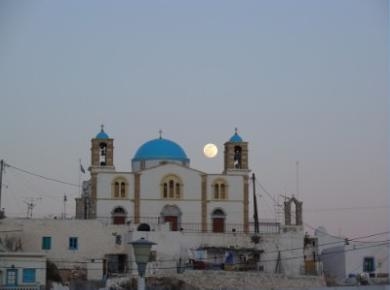
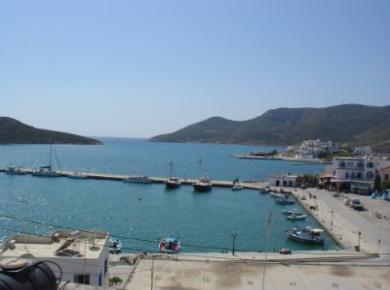
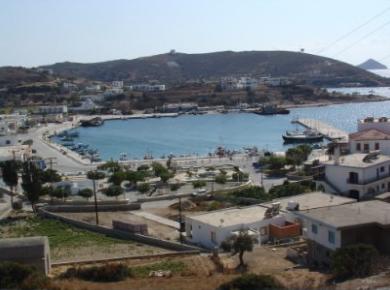
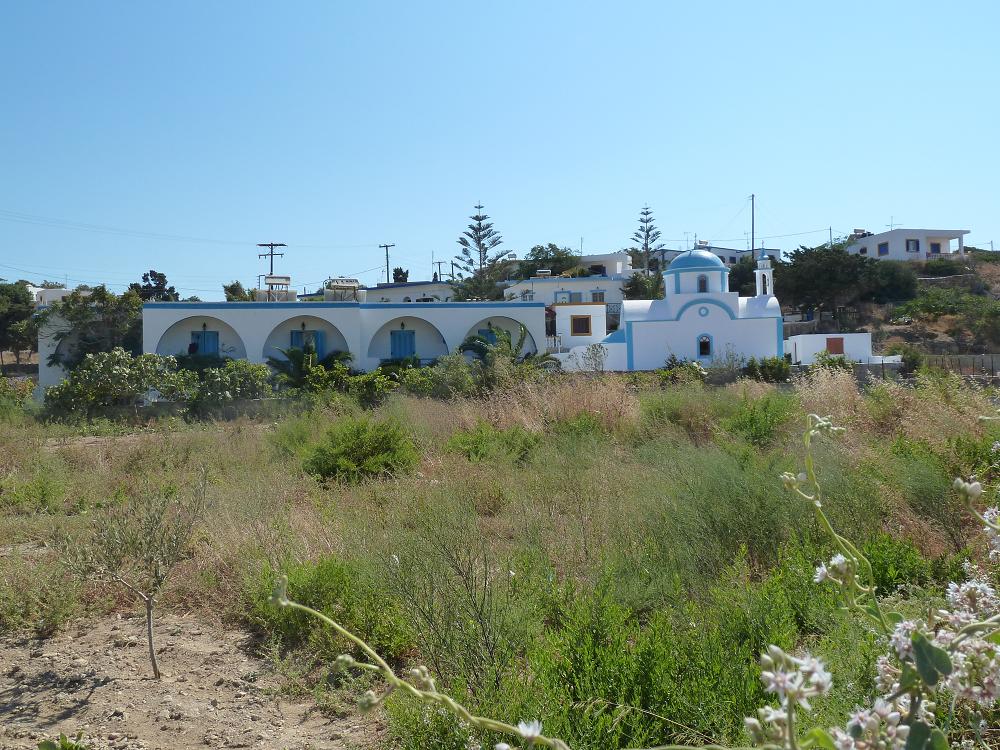
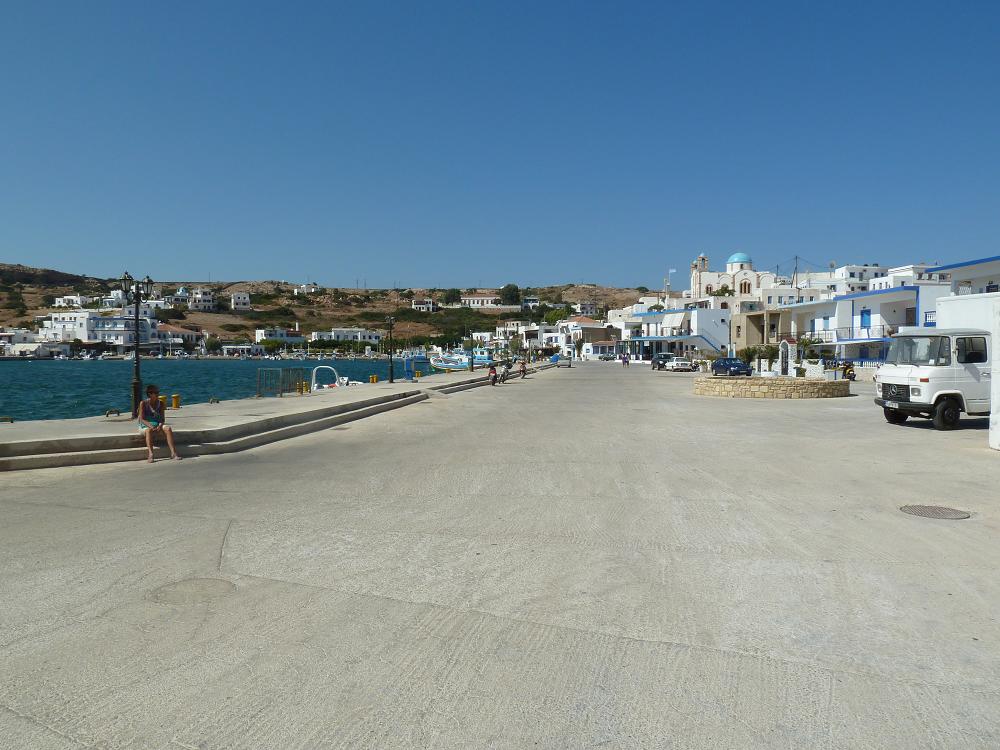
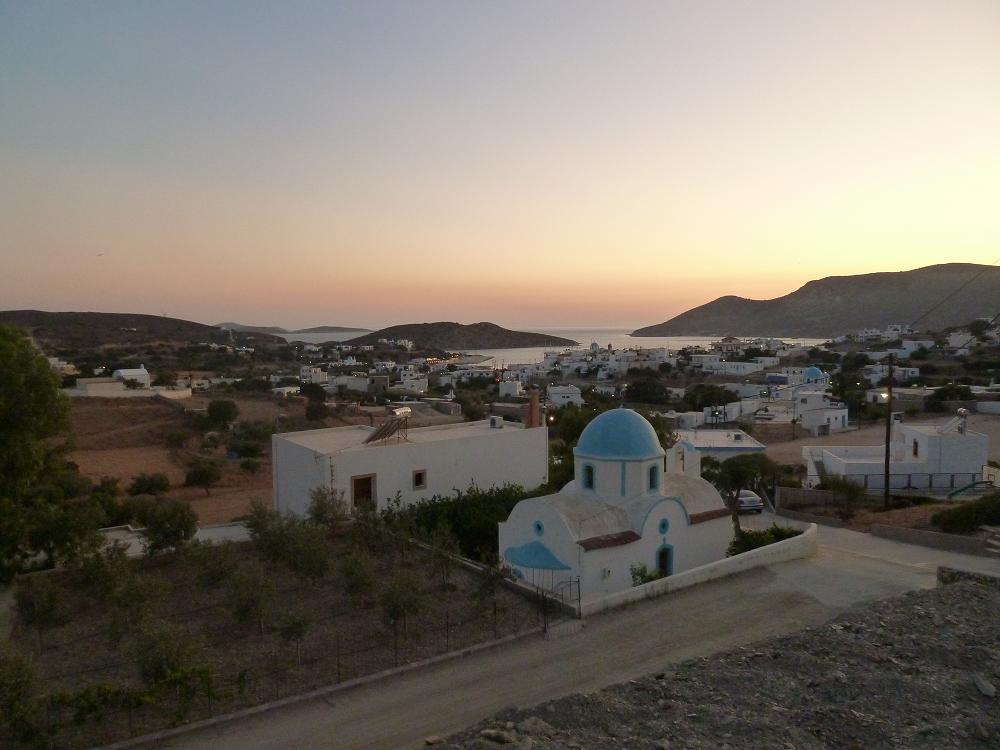
All the ferries stop at the only village of the island, Lipsi village. This is a fishing village with an old chora in the back. The houses are painted white and the port is dominated by a large church with a blue dome. In the back are the low and dry hills. The chora has some pretty and cosy squares. |
 found dating from the classical period.
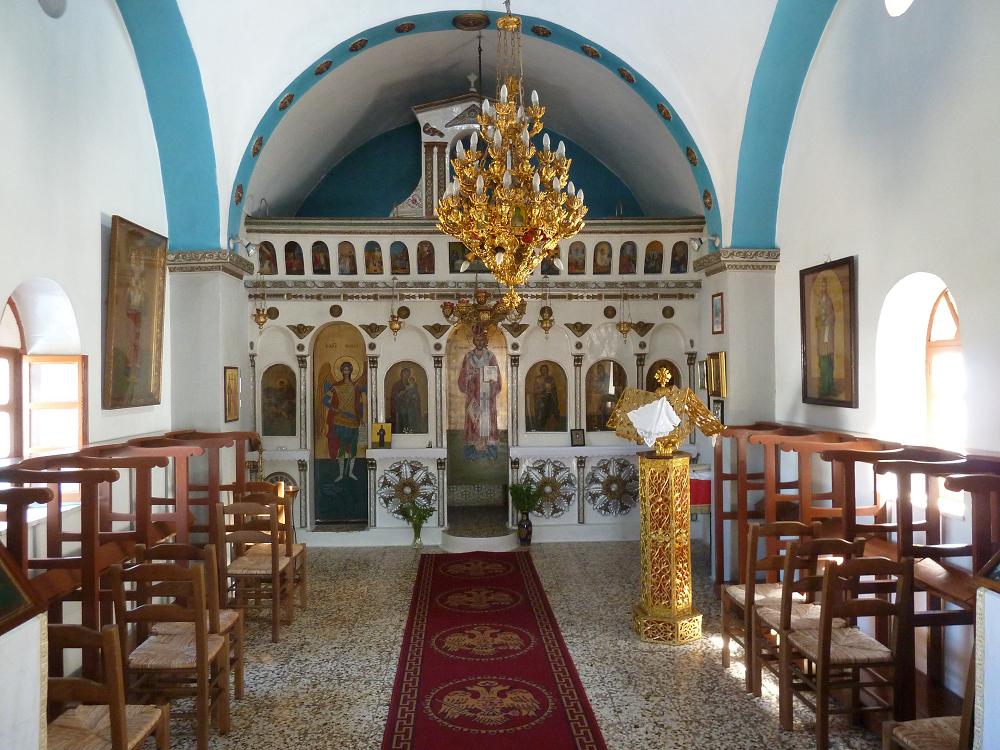
Large parts of Lipsi island used to belong to the Monastery of St. John the Baptist on Patmos and this is the reason why there are so many small
churches all over the island. Some of these churches date from the 16th 0r 17th century and are worth a visit, like the
church of Panaghia tou Charou which was build around 1600 and holds a remarkable icon of the Virgin Mary holding the dead body of the crucified Jezus in her arms. The
church is known for the miracle of the lillies after in 1943 a bunch of lillies which had already withered came back to live again on August the 23d, 4 months after they had been placed there. This miracle occured regularly and since then the religious people gather at the church at that date. The church is situated, you guesed right, at the highest point of the island.
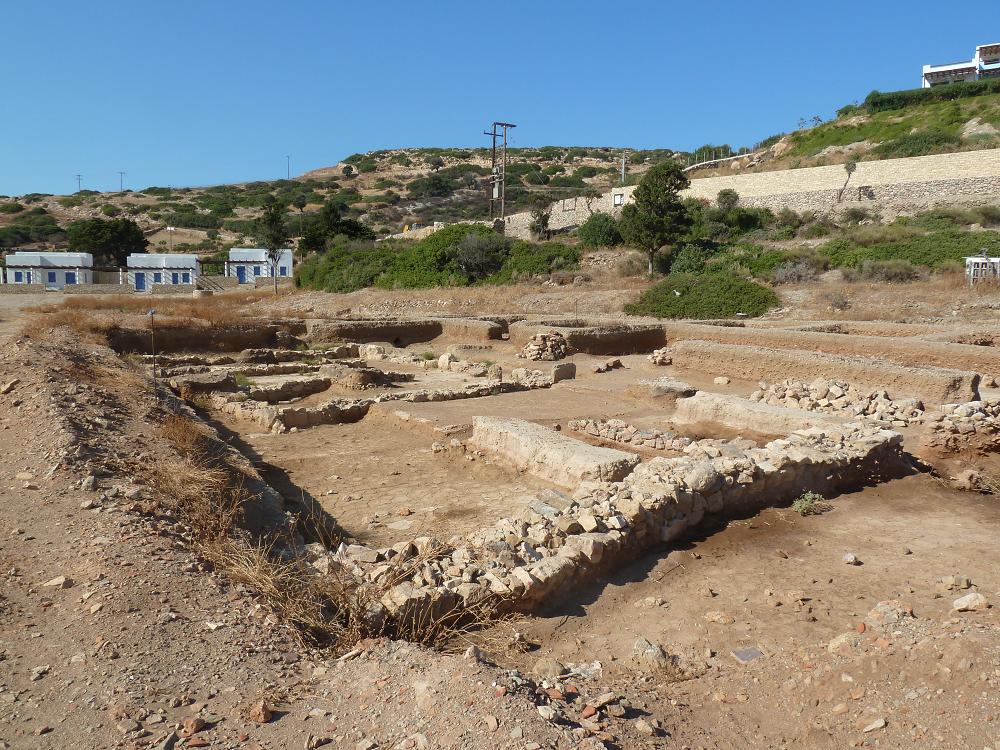
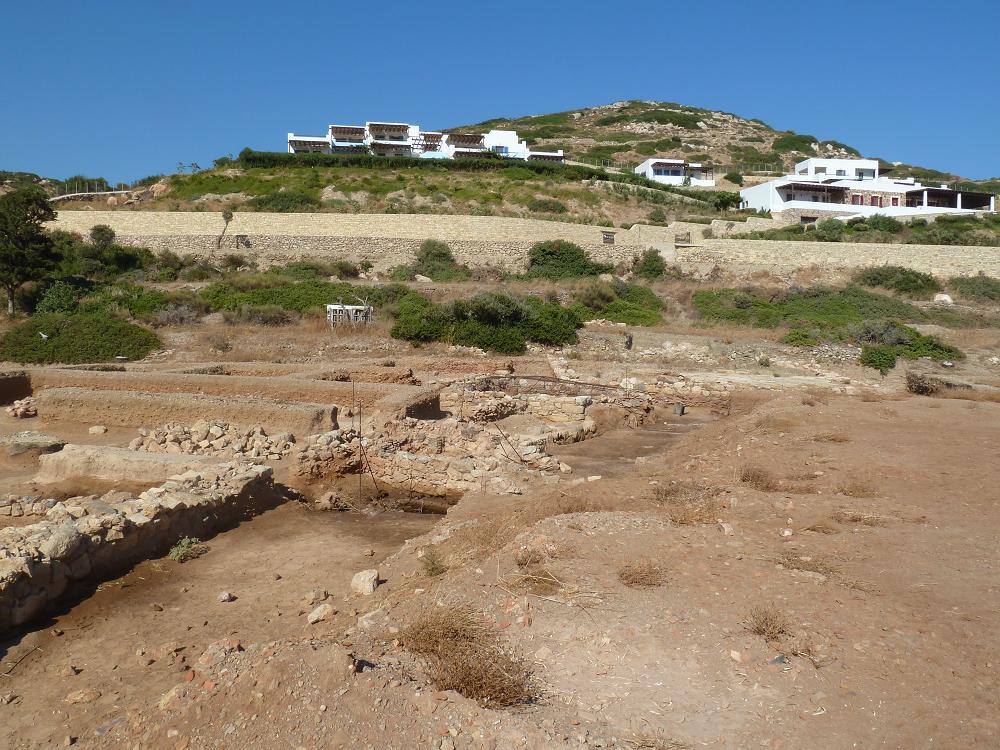
At Kouselio are the remnants of an early christian basilica from the 5th century AD including a mosaic flooring, and also at Katsadia are the remnants of walls and mosaics of old temples.
found dating from the classical period.
Large parts of Lipsi island used to belong to the Monastery of St. John the Baptist on Patmos and this is the reason why there are so many small
churches all over the island. Some of these churches date from the 16th 0r 17th century and are worth a visit, like the
church of Panaghia tou Charou which was build around 1600 and holds a remarkable icon of the Virgin Mary holding the dead body of the crucified Jezus in her arms. The
church is known for the miracle of the lillies after in 1943 a bunch of lillies which had already withered came back to live again on August the 23d, 4 months after they had been placed there. This miracle occured regularly and since then the religious people gather at the church at that date. The church is situated, you guesed right, at the highest point of the island.
At Kouselio are the remnants of an early christian basilica from the 5th century AD including a mosaic flooring, and also at Katsadia are the remnants of walls and mosaics of old temples.
 |
 |
 |
 |
 |
 |
 |
 |
 |
 |
|
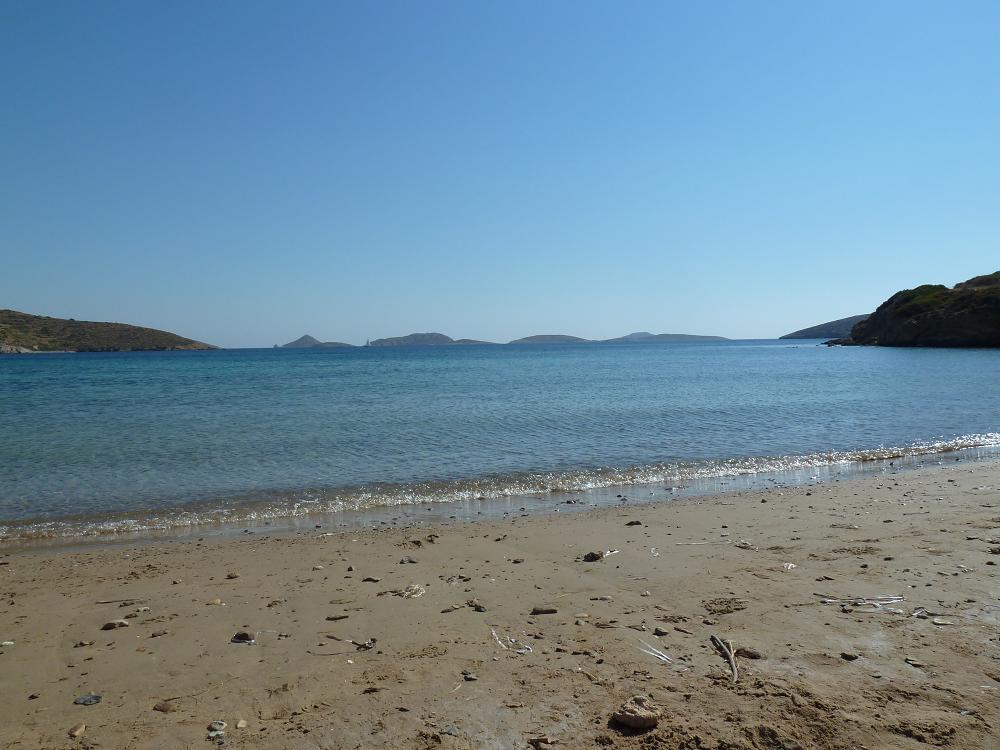
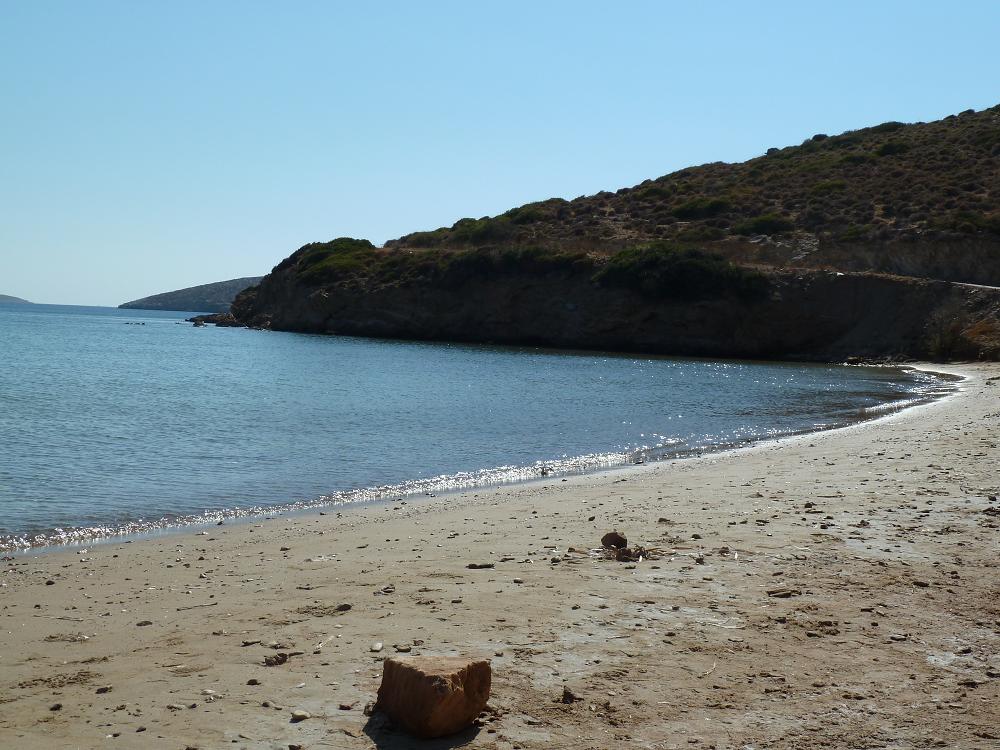
It isn't the village that brings in most of the visitors though, but what attracts the people to Lipsi are its large number of quiet beaches. Most of those beaches are difficult to take though in the time you have if you are on a day-trip excursion from nearby islands like for instance Patmos. Therefore it pays off to spend a couple of days on the island instead and have a look around the island on foot. As it is, most of the visitors explore the town and then head for the nearest beach, which is the town beach, leaving the rest of the island largely unspoilt. If you can stay a little longer you get the chance to better explore and experience the island and you can visit the coves at Katsidia Beach or go to largest and best sand beach of the island: Platis Gialos Beach, which is situated on the north coast of the island, at a walking distance of about an hour from Lipsi Town. Other beaches on the island are even more quiet, like for instance the official naturist beach of Monodendri on the north east side of the island. On most of the other beaches of Lipsi island discreet nudism is also possible. The east side ofthe island is more flat and easier to walk (although you will have to climb up the occasional hill), the west side is more rough, hilly and challenging. Lipsi Island is around 16 km2 in size and has 650 inhabitants. The island benefits from being on the main ferry routes in the Dodecanes islands group and so it is relatively easy to get to. Samos, Leros, Kalymnos and Kos are closeby so it is a good option to pay a visit to Lipsi when you are island-hopping in the area. |
 |
 |
 |
 |
 |
 |
 |
 |
 |
 |
| Lipsi Village |

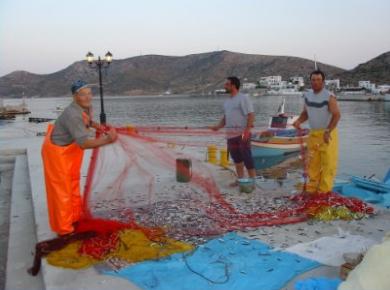
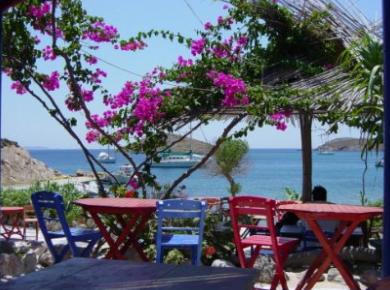
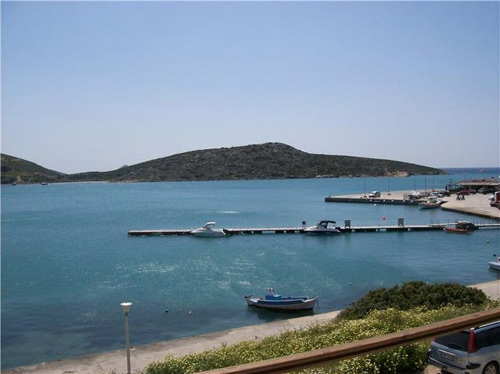
Lipsi Town has got two harbours. The ferries and catamarans all dock at the larger one and the excursion boats dock at the smaller harbour which is nearer to the center of the village. A walk from the ferry to the center of the village is about 500 meters. In Lipsi there is a bus that regularly goes to Platis Gialos Beach as well as to Katsadia and Hohlakura Beach. There are also two taxis on the island and it's possible to rent a motorcycle. At the central square of the village there is a post office and in the harbour you can find a bank where you can withdraw money. On the main village square opposite the church you will also find a small museum (open 11am - 1pm / admission free) with a collection of pebbles and bottles of holy water from all around the world. The large white Church of Saint John Theologos with its blue dome and two bell-towers is also worth a visit. In a ground floor hall you can find the archeological collection of Lipsi. From Lipsi it is possible to make boat trips to the small islands off the coast. The excursion boats can be found in the small quay and they leave usually in the morning around 10 o'clock. The port of Lipsi is very big and is situated in a large lagoon. Spread along the harbour are the houses and here and there you can find shade at a taverna. There are colourful wooden boats in the water and fishing nets on the side of the quay. |
 |
 |
 |
 |
 |
| The beaches and naturist beaches of the island of Lipsi in Greece |
|
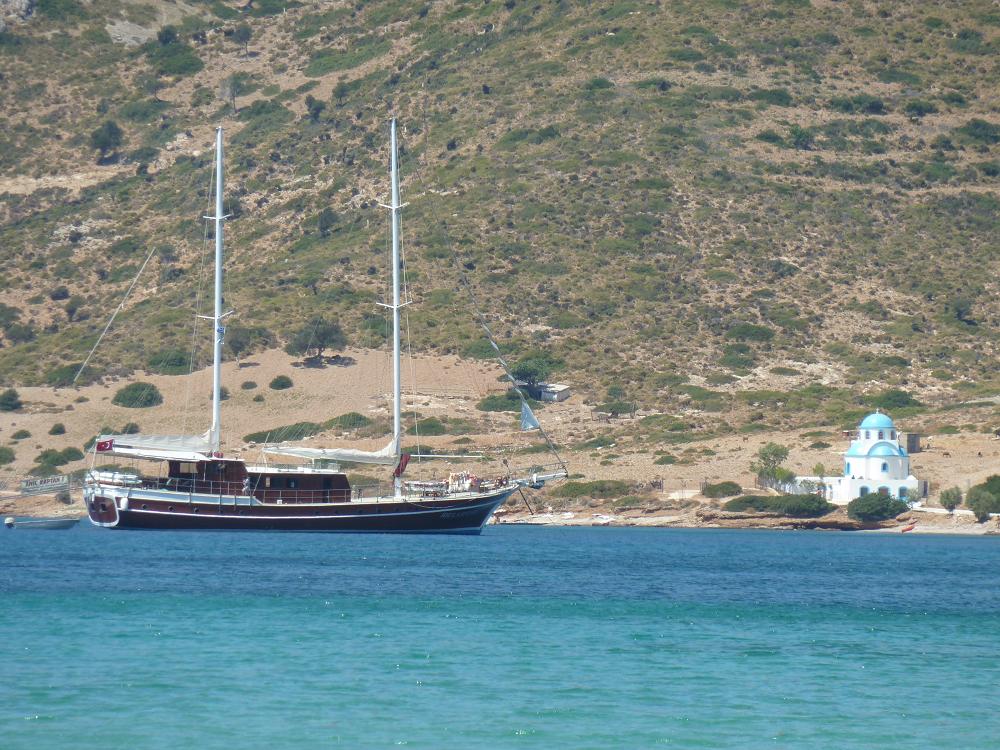
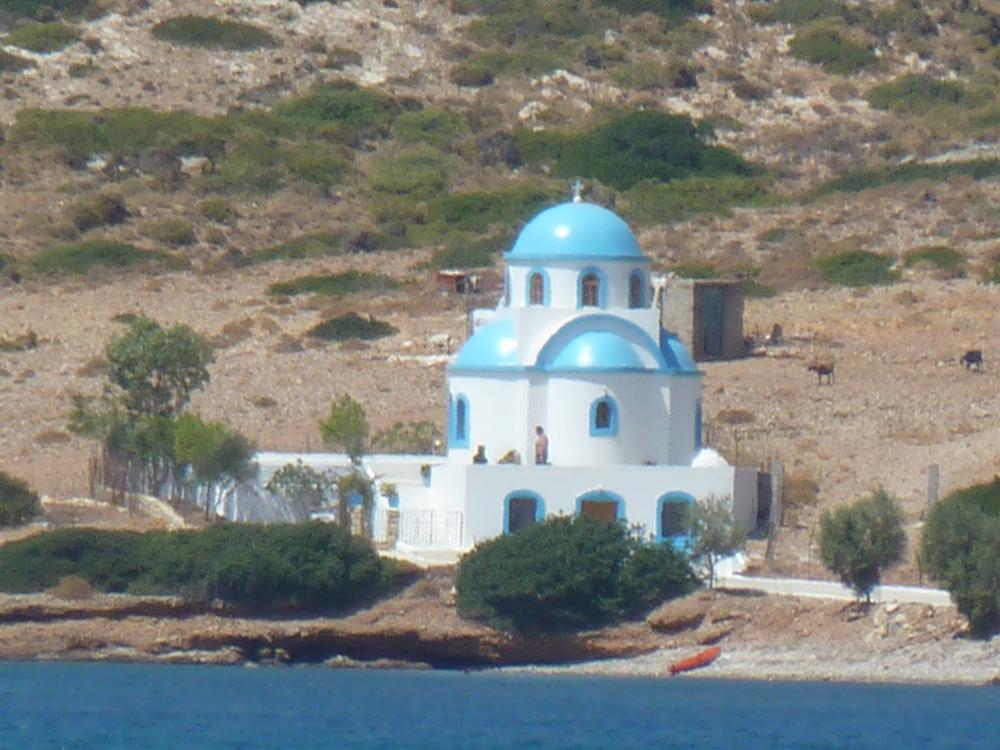
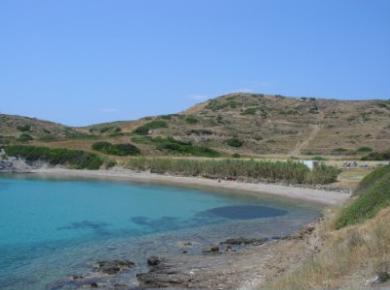
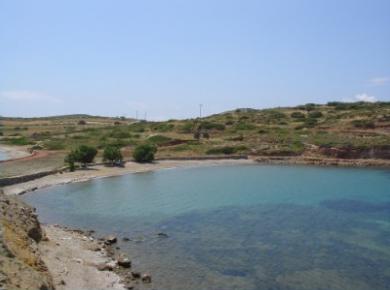
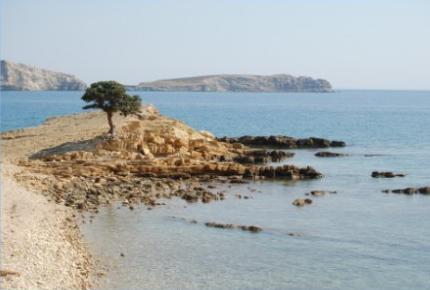
For such a small island Lipsi is blessed with a large collection of beaches. None of them are super-superb or belong to the best that you can find on the Greek islands, but some of them are really nice and picturesque and they come in all sorts and sizes (small, large, pebble, sand and stones). More important is that a lot of them are quiet and if you look around you are sure to find a deserted one just for yourself. Liendou Beach - This is the town beach on the west side of Lipsi village (where the ferries dock). It is set in a narrow bay. The beach is made of coarse sand and pebbles and it slopes gently into the sea. On the beach are some trees for shade. It is usually quiet until the schools go out or when the excursion boats from Patmos and Leros arrive. There are no facilities on the beach like sunbeds or umbrellas but the tavernas are closeby. Kambos Beach - Beach situated west of Lipsi Town. From Liendou beach the road goes up the hill. On the left side there is a track leading to Kambos Beach. This is not one of the best, biggest or cleanest beaches of the island, but the water is clear and there are a few tamarisk trees for shade. Helena / Elena Beach - This one is a rock beach which is also situated west of Lipsi Town and it is set behind a small church. It is a bit more difficult to reach and you have to climb down a track from the hill to get there. Kimisi Beach - Kimisi beach in the west of the island can be reached after a two hours walk. It is a beach with pebbles and rocks and it comes with a 16th century church of the Virgin Mary (supposedly open). Platis Gialos Beach - This sandy beach is situated in a long bay on the north west side of the island of Lipsi at an hours walk from the capital. It is facing south and it can get quite hot because there is little to no shade. At the beach there is a taverna (maybe not opened out of high season so be wise and bring some water just in case). The beach gently slopes into the sea so it is easy to get into the water. To get there you can walk past Liendou beach and follow the nothern coast road. There are busses going to Platis Gialos Beach or you can get there by taxi. Moschato Beach - From Platis Gialos the road leads on and after 40 minutes you will reach Moschato Beach. It is not really a beach, but more a collection of stones and pebbles. There is a fish farm in the bay. On the beach stands the small church of Saint Theologos. Moschato used to be a favorite place for swimming and snorkeling but since the arrival of the fish farm the water is no longer clear. Kamaris Beach - A stony beach in a spectacular setting, set in a rocky cove with trees, in the remote north east of Lipsi island. The last part of the walk is over a goat trail - 45 to 60 minutes walk. Near the end you have to go through a gate to get there and the last 200 meters are steep and with loose stones. This beach is also in use as a naturist beach. Monodendri Beach - Monodendri means "one tree" and so there is not much shade on this collection of small coves / beaches in the north east of Lipsi island. Still for some people it is the favorite beach of the island. If you think you cannot go any further on your walk because there is a gate, you open the gate in front of you and keep walking. The last part of the walk is over a goat track - walking distance 45 - 60 minutes. Monodendri is the official nudist beach of the island. The first beach is the beach with the tree and at the end there are some overhanging cliffs where you can find some shade as well. The second beach is situated in a small cove and has pebbles and the third beach is a mixed pebbles and stones beach. On all three beaches you will find mostly naturists (if not empty) with the occasional lost family in textiles. Tourkomnima Beach - The beach at Tourkomnima lies in the north east of Lipsi close to Xerokambos and is usually deserted. The main beach is north facing and mainly stone and on some parts also have a bit of sand. There are some trees here for shade. To get to Tourkomnima Beach head for Kohklakura but turn left at the fork and follow the path around the headland past Kserokambos. (walking distance 45 minutes). Xerokampos Beach - This beach in the east of Lipsi has a bit more sand than closeby Tourmomnima. Further south are a couple more coves where you can swim. Take the road to Kohklakoura and turn left at the fork in the track (walking distance 45 minutes). Kohlakura Beach - This beach lies in the south east of Lipsi and it is a good and large beach with fine white pebbles. There is not much shade on the beach of Kohlakura so it can get quite hot. It is situated east of Lipsi Town and can be reached after a 30 minutes walk. Katsadia Beach & Papandria Beach - The popular beach of Katsadia lies south of the capital Lipsi Town and can be reached after a 30 minutes walk. It is situated in a beautiful wide bay and the beach consists of pebbles and sand. Further down south there are a couple of more coves worth to take a look at (Papandria). To get there you must take the road to Kohlakura Beach but turn right at the crossroads. Take the left path for Katsadia and the right path for Papandria. Katsadia has a couple of tavernas and anchorage for yachts, there are lovely views south to Leros and Kalymnos. There is also a connection to Katsadia by local bus. |
| Accommodations, hotels, apartments and studios on Lipsi |
 |
 |
 |
 |
 |
| Lipsi Hotels - Studios Anna |
|
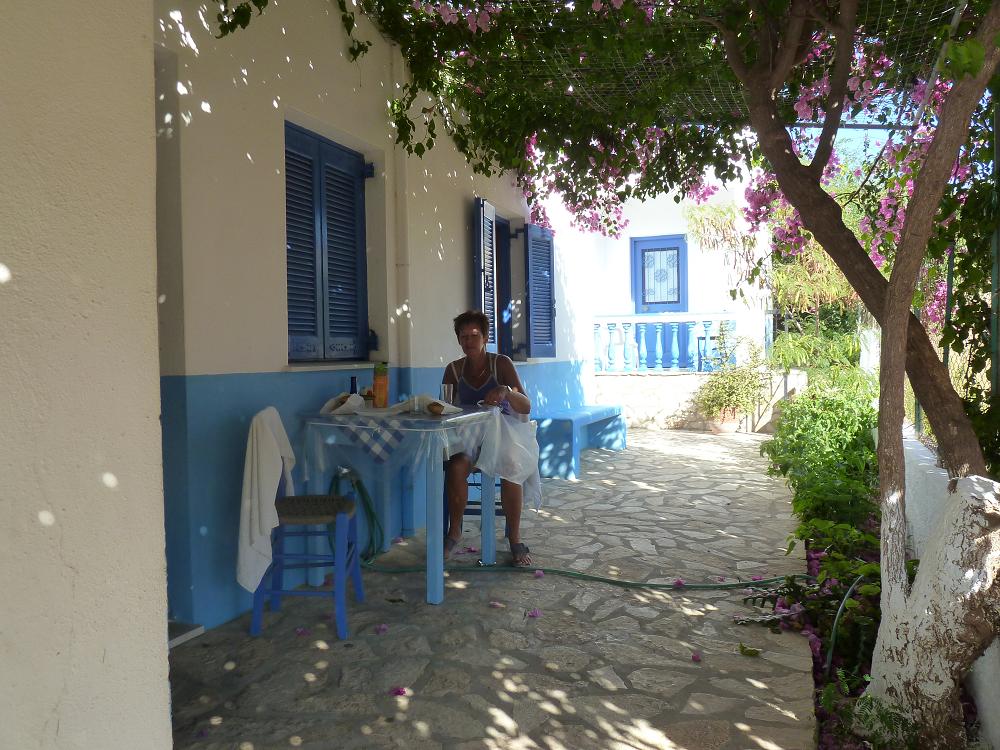
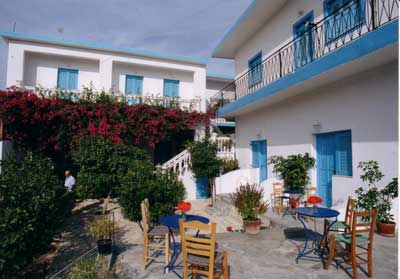
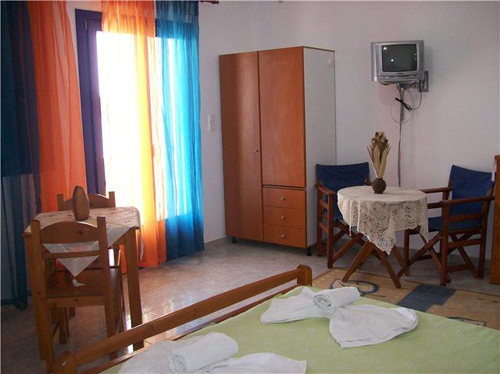
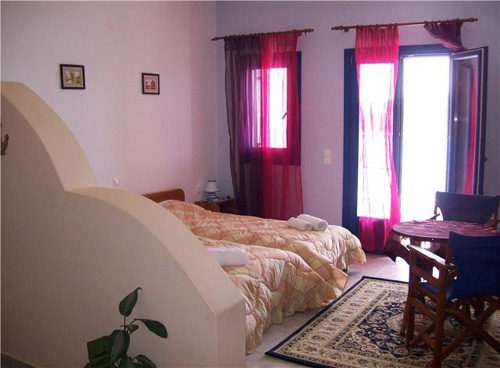
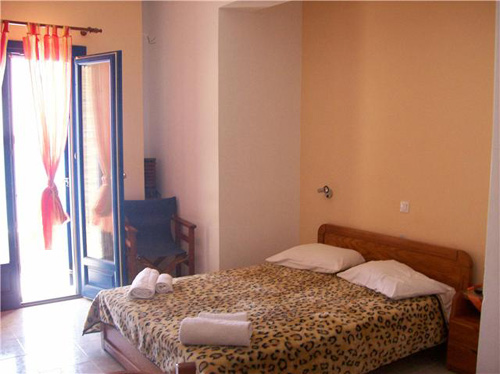
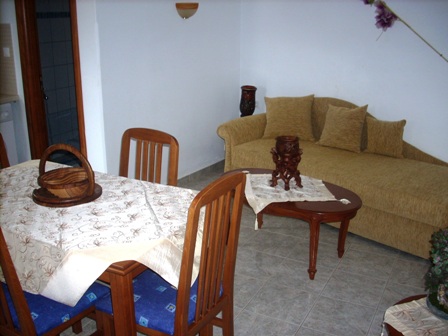
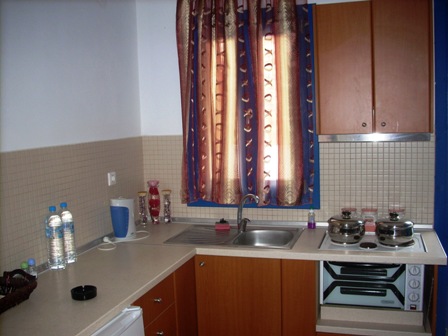
Studios Anna is situated in the main village of Lipsi Island, just a 5-minute walk from Lentou Beach. It features spacious studios with free Wi-Fi and a balcony overlooking the garden. A kitchenette with fridge, cooking hobs and a dining area is included in all air-conditioned studios at the Anna. Each has a private bathroom with shower and toiletries. There is a seating area in the courtyard where guests can relax amongst the flowers. The centre of Lipsi with traditional taverns and small cafés is at 150 metres. A bus to many beaches and villages stops just a 4-minute walk away. Staff can arrange car rental. Check availabilities and prices & book Studios Anna on Lipsi - click here. |
 |
 |
 |
 |
 |
 |
 |
 |
 |
 |
| Lipsi Hotels - Studios Anna |
|
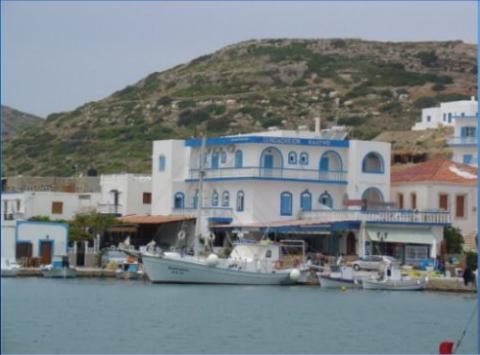
Studio Poseidon is conveniently located 300 metres from the main village of Lipsi and just 100 metres from sandy Lientou Beach. Featuring a restaurant with an outdoor seating area, it offers self-catering accommodation with free Wi-Fi and a balcony overlooking the Aegean Sea. Spacious and airy, the air-conditioned studios of Poseidon include a seating and a dining area. Each unit has a kitchenette with fridge and electric oven, while some of them feature a kitchen with stove and washing machine. A TV and a hairdryer are also available. A buffet breakfast is offered daily at the on-site restaurant, where guests can also taste grilled meat and other Greek dishes while enjoying the sea view. Studio Poseidon is situated 100 metres from Lipsi Port and 300 metres from restaurants, taverns and supermarkets. Guests are offered a free 2-way transfer from the port. Check availabilities and prices & book Studio Poseidon on Lipsi - click here. |
 |
 |
 |
 |
 |
 |
 |
 |
 |
 |
| Accommodations, hotels, apartments and studios on Lipsi - 1 email address and 1 telephone number for 4 choices! |
|
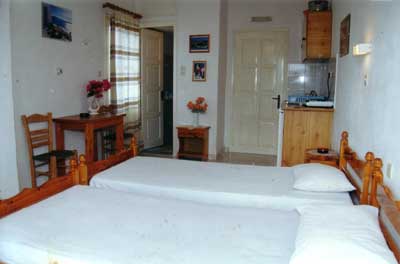
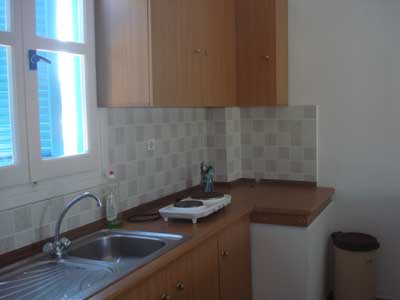
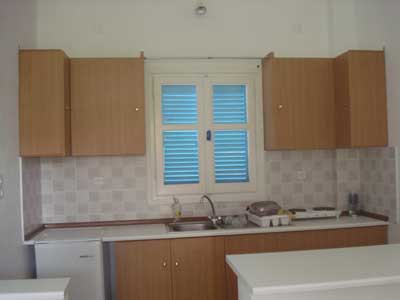
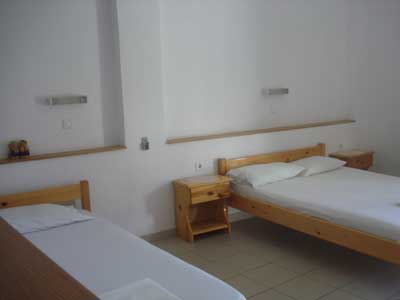
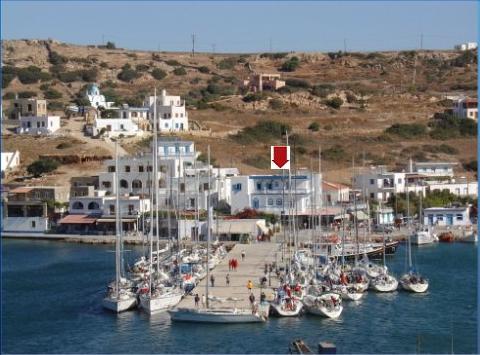
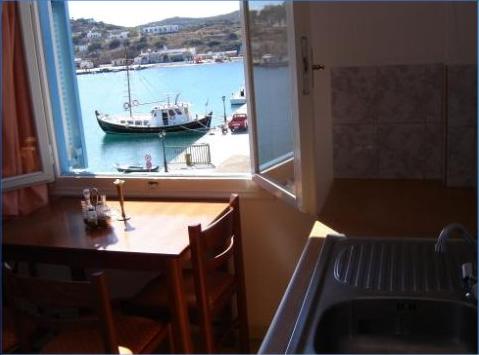
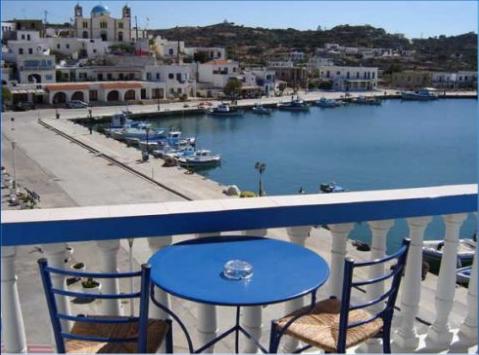
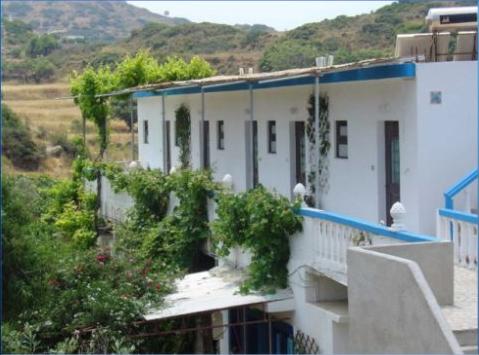
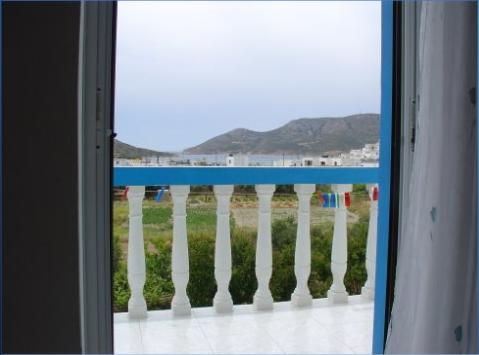
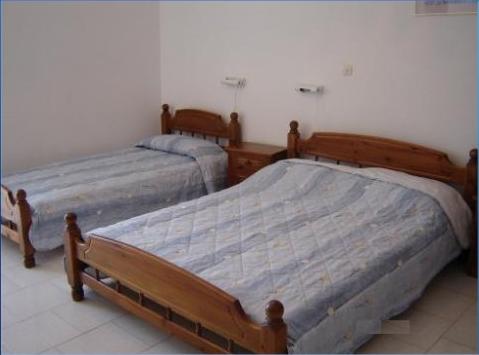
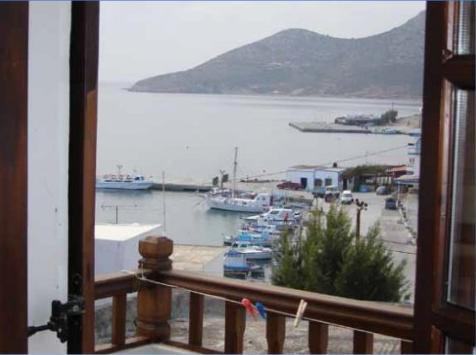
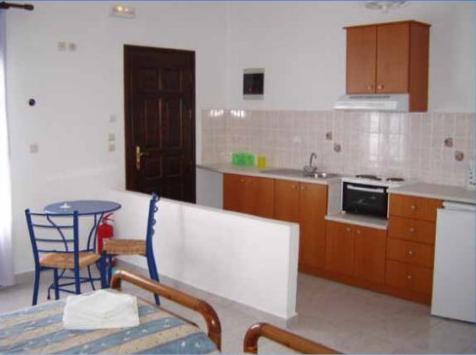
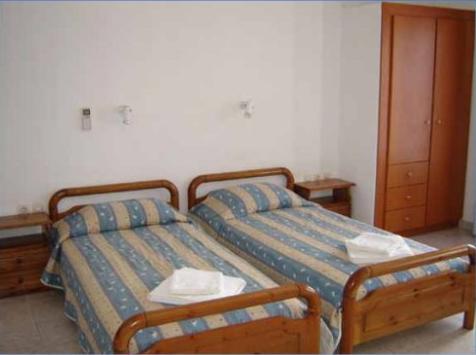
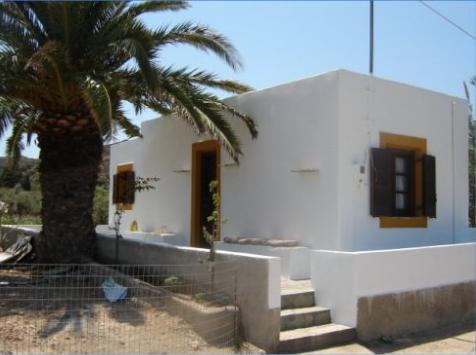
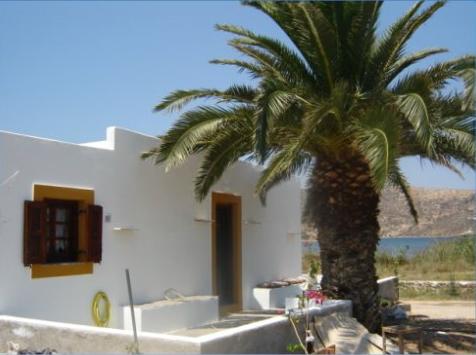
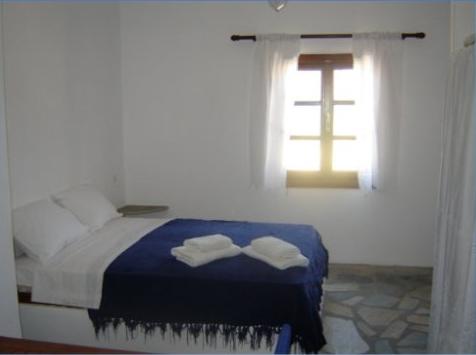
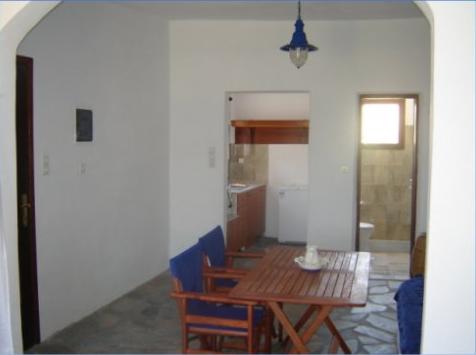
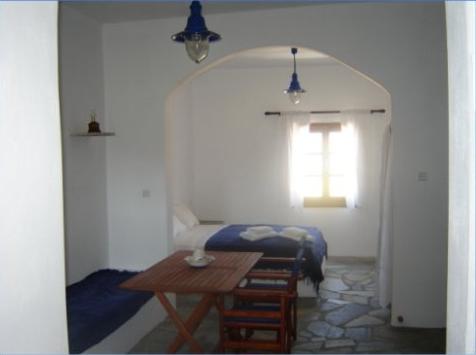
Looking through the accommodations that are available on Lipsi I found this one address with a variety of accommodations, all at a very cheap price (30 to 60 euro in 2008) and all can be booked through the same telepone number or email address. Calypso Hotel - The pictures of the hotel are in the first row above this accommodation section. It is situated in the harbour of Lipsi town just opposite the small harbour (the one for the excursion boats) and 150 meters from the main ferry harbour. It is a family hotel with 10 rooms, and all of them are studios (so with a little kitchen area in them). Below is a cafetaria and restaurant and it is near a supermarket. All rooms have a view of the sea and the village park and all of them have airconditioning and private facilities. There is a daily cleaning and linen service. Transport from and to the harbour can be arranged. Calypso Apartments - The pictures of the apartments are in the second row above this section. Calypso Apartments is a small complex that consists of 5 apartments at a 150 meters distance of Lipsi Town. It is set in a peaceful garden and the bedroom balconies enjoy country-side and sea views. The apartments have private facilities, airconditioning, a lounge / dining with kitchen and a separate bedroom. Transport from and to the harbour can be arranged. Mina Studios - The pictures of Mina Studios are in the first row below this accommodation section. These two studios are situated in the heart of Lipsi village at a 250 meters distance of main port of Lipsi. The local boat harbour is 50 meters downhill. From the balconies there is a panoramic view over the harbour and the sea. The studios have a kitche, private facilities and airconditioning. There is a daily cleaning and linen service. Transport from and to the harbour can be arranged. Kouselio Apartment - The pictures of Kouseli Apartment are in the second row below this accommodation section. This appartment is located 500 meter from the village of Lipsi. The main harbor is about 700m away. It is set in a peaceful garden with country-side and sea view from the balconies. This apartment has a separate kitchen, lounge and bedroom, and there is air conditioning and tv. Camp beds are available for children. Daily cleaning and linen service. Transport from and to the ferry terminal can be arranged for clients.
One telephone number for all: Tel. - Fax: +30 2247041420
|
 |
 |
 |
 |
 |
 |
 |
 |
 |
 |
| SAMOS FERRIES AND PLANES - THE JOURNEY TO THE ISLAND OF SAMOS IN GREECE |
|
|
| FERRIES TO AND FROM SAMOS - ISLANDHOPPING FROM SAMOS |
|
You can check the times and prices and if you like you can book a ticket ahead on the site of Ferries in Greece. Especially if you want to be on a superfast ferry during the high season this could be a good plan. |
 From Samos there are regular ferries (as well normal as socalled "superfast ferries") to other islands in the surroundings, such as Ikaria, Lipsi, Leros and Patmos.
|
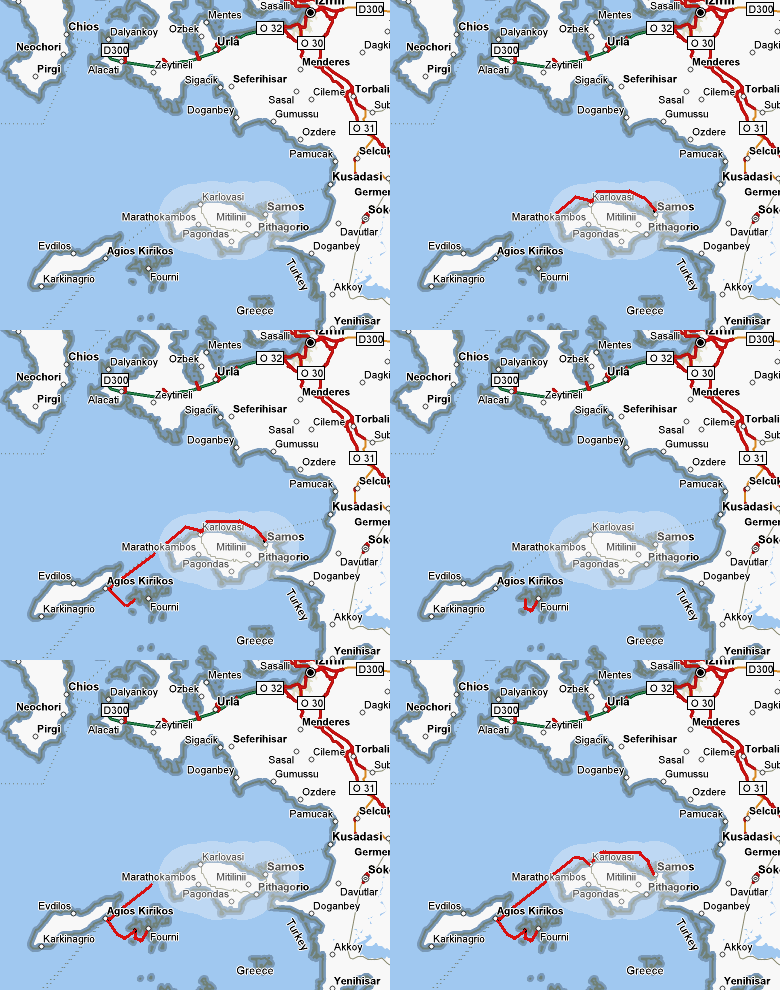
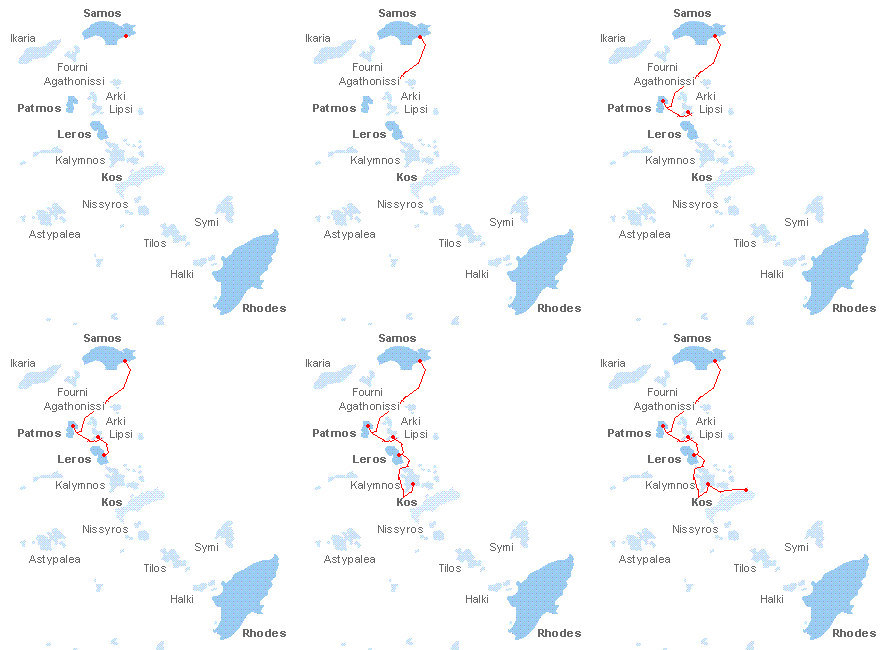
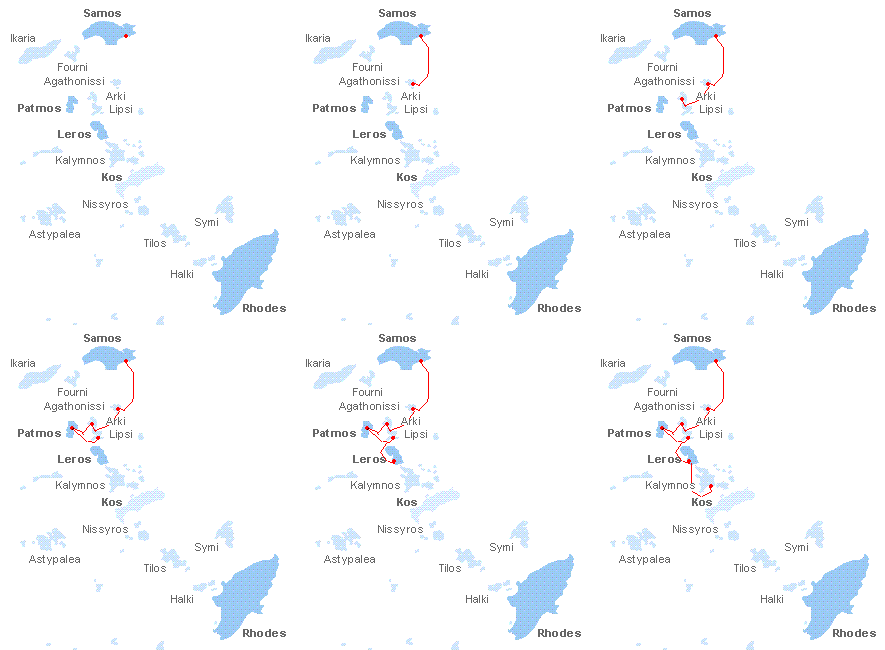
Samos has got good daily ferry-connections to Piraeus and regular ferries to its neighbouring islands Kos, Patmos, Leros, Rhodes, Ikaria, Fourni and several other islands. If you want to know for sure you must check the routes / schedules of the ferries on the internet. To check ferry schedules and book online - click here. Most of the times the hotelowner of the hotel where you booked knows best. It can also take a while before schedules are aproved and in this case you will have to return to look again and see if things have changed, because the first conclusion you make could be that there are no ferries between the islands you picked. In short: it is unpredictable but usually it is not a problem as well. There are regular ferries from GA ferries from Piraeus to Paros, Naxos, Ikaria, Fourni and Samos (Karlovassi and Vathi - see picture on the right top), and there are also ferries from "Samos Ships" going to the nearby islands almost every day (see picture on the left top). For trips from Piraeus to Samos you can also check Kallisti Ferries and Hellenic Seaways who also makes the route to Samos having stops in Syros and Ikaria. |
|
|
|
|
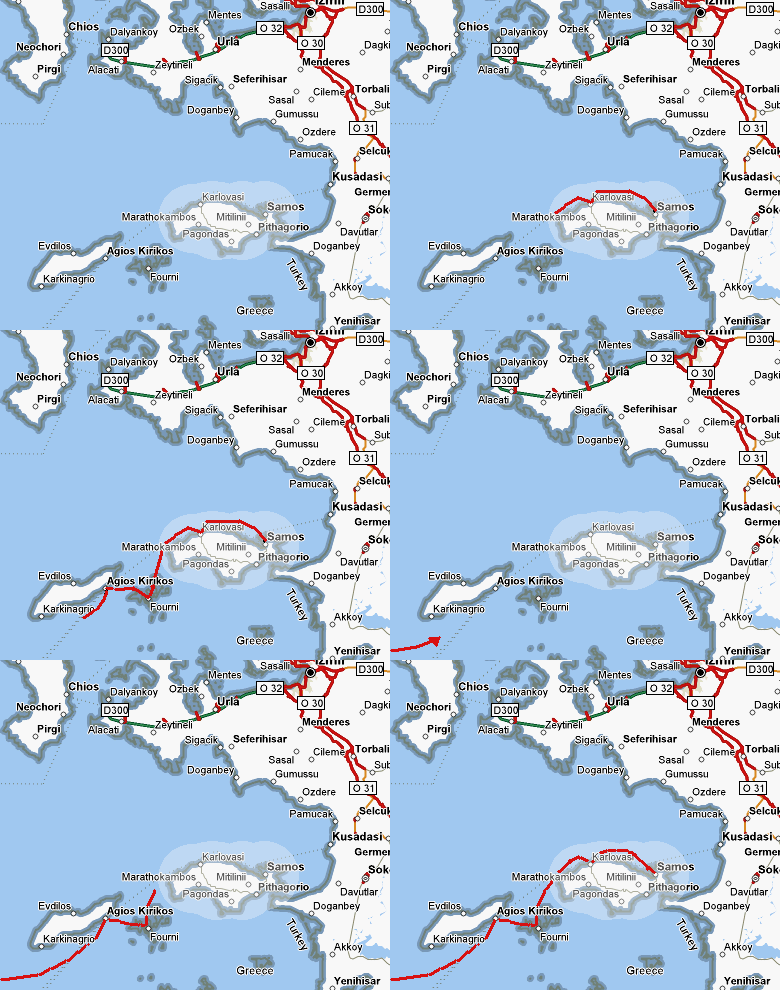
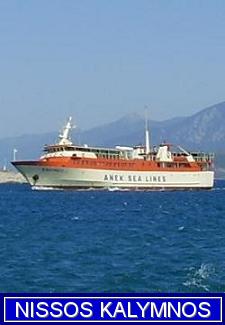
The Nissos Kalymnos of A.N.E. Kalymnou sails from Pythagorion (Samos) to Agathonissi, Arki, Patmos, Leros and Lipsi to Kalymnos (see picture on the right) and Aegean Flying Dolphins has fast boats from Pythagorion to Patmos, Lipsi, Leros, Kalymnos and Kos (see picture on the left). Other connections by ferry go to the southern island of Rhodes, the northern islands of Chios, Lesvos (Lesbos) and Limnos and to the mainland towns of Thessaloniki, Alexandroupoli and Kavala.
Samos has also got an international airport with regular flights from several countries during tourist season, and good connections from Athens served by Olympic Airways. |

© Hans Huisman, Paul en Wilmi Jakobs, Calypso Hotel Lipsi, https://www.angelfire.com/super2/greece/ 2013