
| The Greek islands | Kos HOME | Kos Hotels | Kos Beaches |
 |
 |
 |
 |
 |
 |
 |
 |
 |
 |
| THE ISLAND OF KOS IN THE DODEKANESE IN GREECE |
|
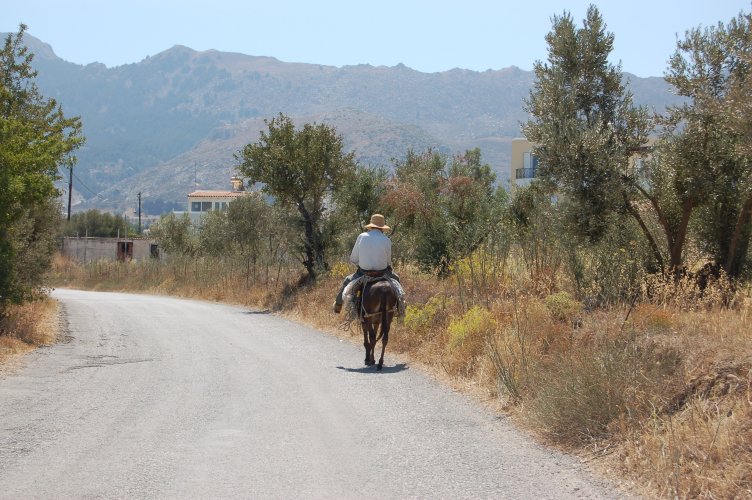
Sorry it's been too long ago for me to write much about this island. I also didn't like it very much. I thought it had no atmosphere and I didn't feel at home there. I found the main village not very attractive and also a bicycle ride on the island couldn't make up for it. I have to admit that I did not really take the time to go and explore the island some more, but it's just one of those cases of first impressions: sometimes an island immediately grabs you, and sometimes it doesn't. Kos is popular because it has a good mixture of sandy beaches and sights, and also because it is a good destination for a island hopping holiday, because it has very good ferry connections with a lot of different islands. There are also people that come back to Kos year after year, and sometimes they also stay in the same village or even the same hotel. Nowadays the island of Kos can feel packed with tourist and sort of feel like Torremelinos or Benidorm in Spain, especially during the high season. Still there are many people that adore this island, so you have to judge it for yourself if you want and I am sure there must be good places to go to, like there are on any Greek island. It is popular with the young people because there are plenty of bars and disco's, and it is popular with cyclists because large parts of the island are flat, so suitable for long bicyle rides. If you think different than me and have fallen totally in love with Kos I understand, so please don't send me hate-mail, send me positive tips instead. |
| A LITTLE MORE INFORMATION ABOUT THE ISLAND OF KOS IN GREECE |
|
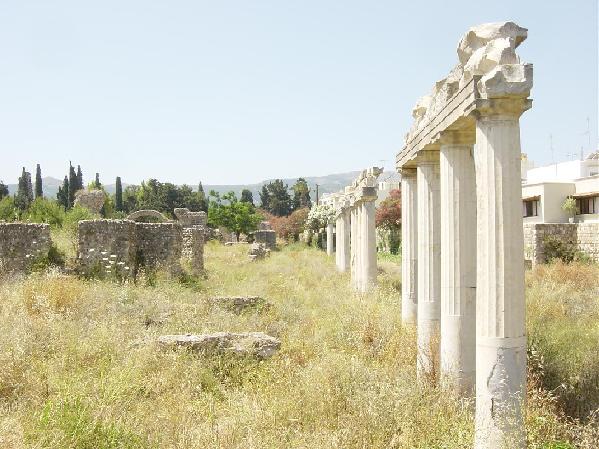
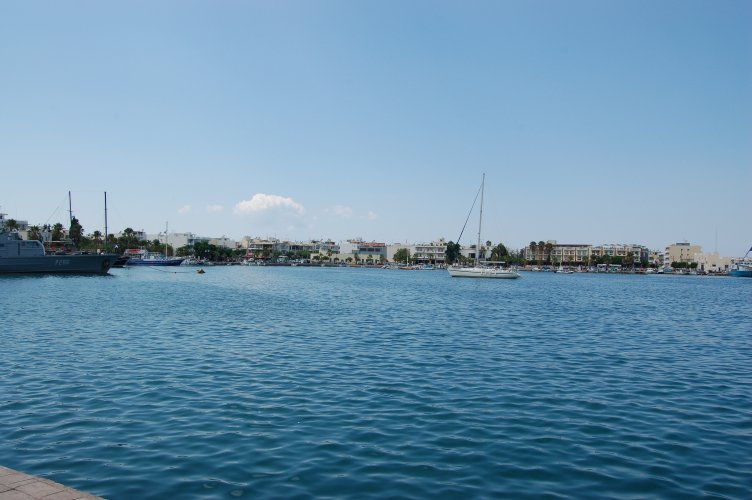
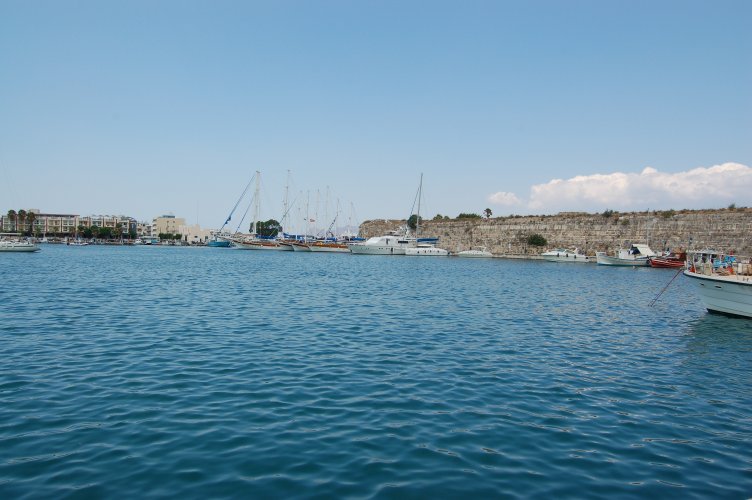
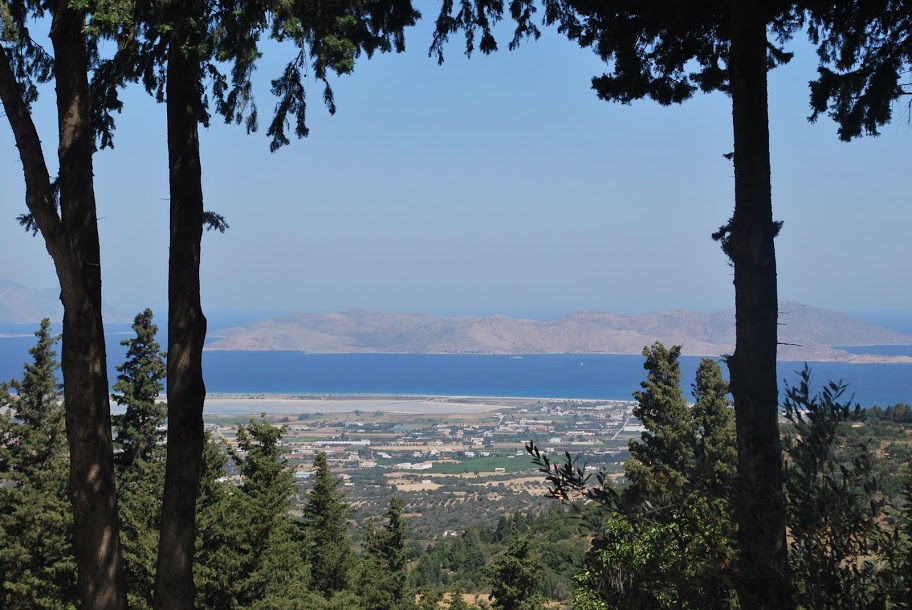
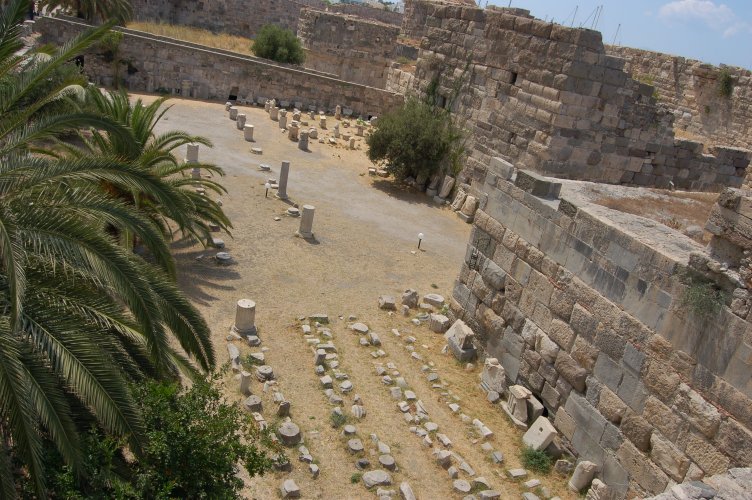
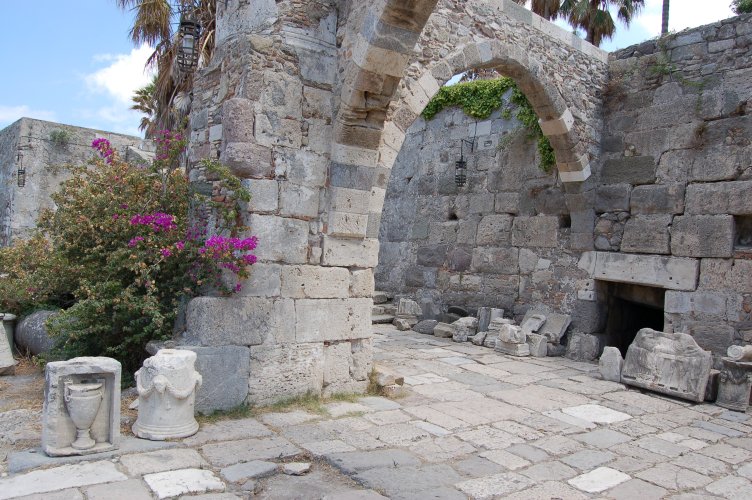
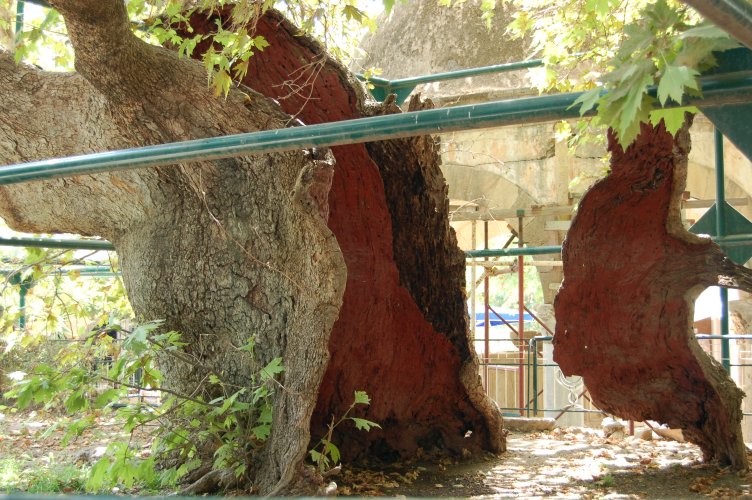
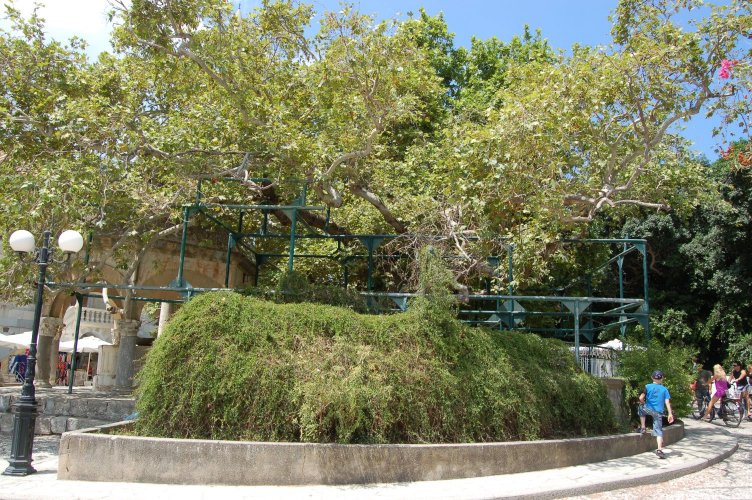
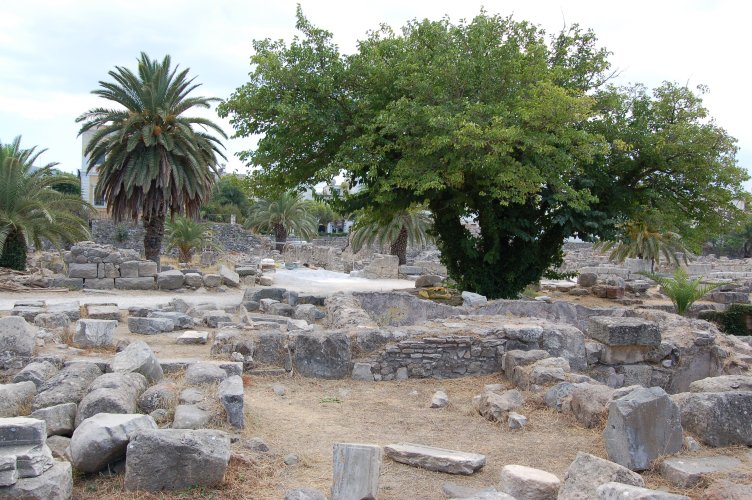
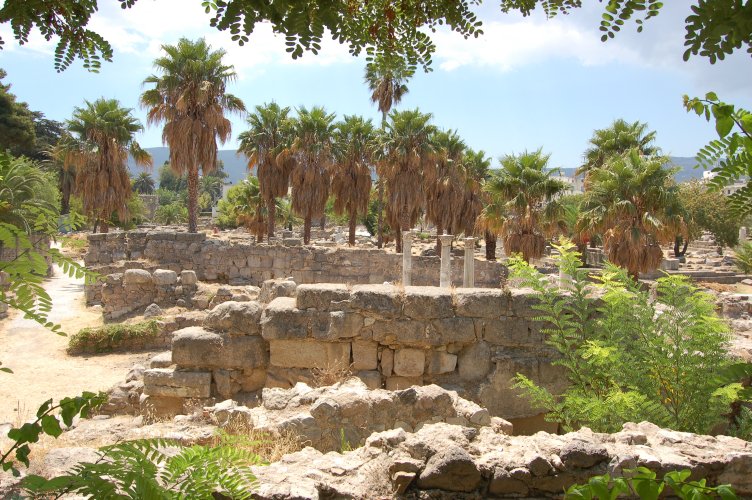
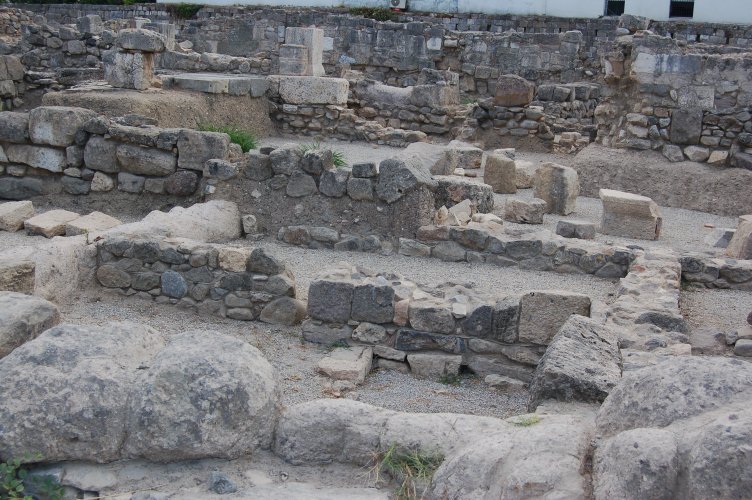
Kos is a Greek island in the Aegean Sea, and it is the third largest island of the Dodecanese (Twelve Islands). It is in front of the Turkish coast, northwest of Rhodes and southeast of Samos. There are good ferry links between Kos and other Greek islands. The island is 40 km by 8 km wide. It has both fertile plains and barren mountain. On the coast of Kos live different types of sea turtles, including the protected Caretta turtle. Although Kos is an island, there is relatively little fish for sale. Long time fishing around Kos took place with dynamite. The explosions gave the fish anaesthesia and made them float to the surface making it a simple catch. Although this is an effective way of fishing this so badly damaged the fishing grounds that the fish around Kos seriously declined. On Kos there are several memorials to the physician Hippocrates, and for the god of medicine from the Greek pantheon: Asklepios, which would have been the teacher of Hippocrates. Famous is the tree of Hippocrates in the capital Kos. There is also a Hippocratisch museum dedicated to him. There are also several archaeological sites in or near the city, including a Roman amphitheatre and a gymnasium. The capital Kos Town is the tourist and cultural center of the island. Close to the port it is a 14th-century castle, which was built in 1315 by the Knights of St. John of Rhodes. In the centre of Kos Town is an old marketplace, an agora. Some of the larger sites on the island include Kos City, Kefalos, Kardamena, Tigaki, Antimachia, Mastihari, Marmari and Pyli. Smaller places are Zia, Zipari, Platani, Lagoudi and Asfendiou. In the Dikeosgebergte lies the village of Zia. The island has an international airport where many charter flights arrive. Tourism is a major source of income for Kos. |
 |
 |
 |
 |
 |
 |
 |
 |
 |
 |
|
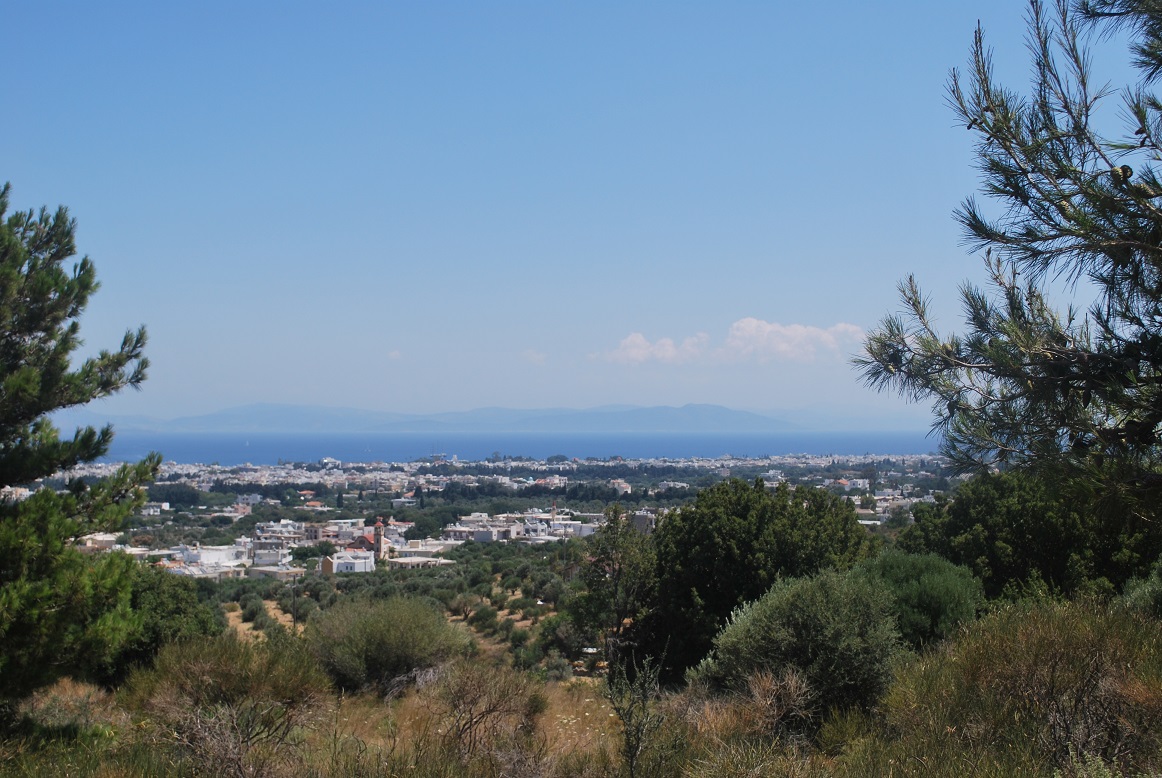
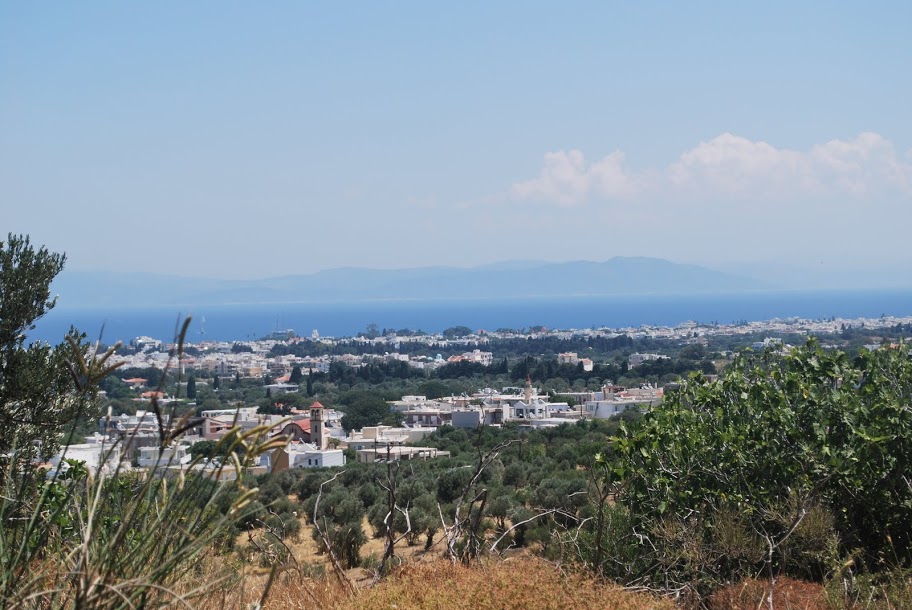
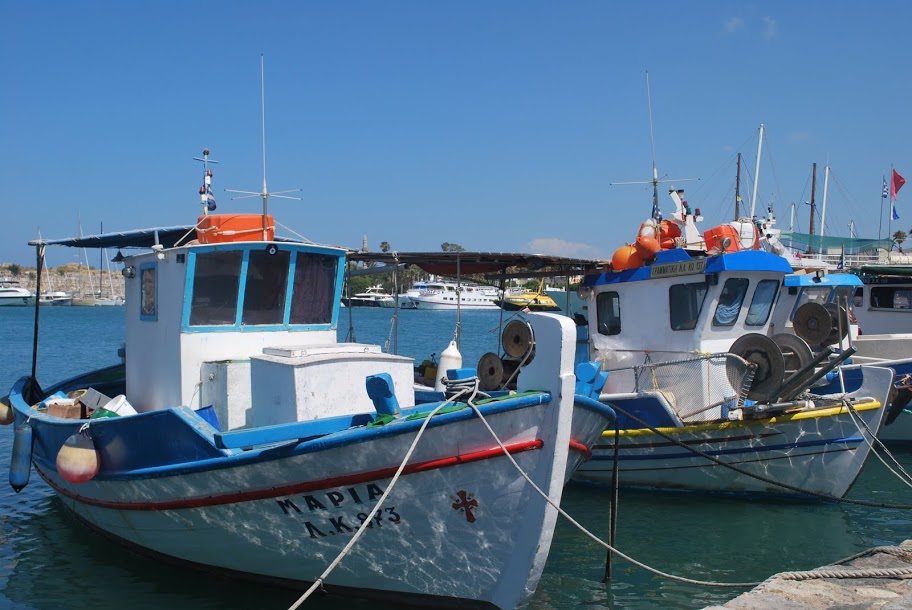
Kos is a very suitable area for both young and old. The beaches of Kos Town in comparison with many other Greek Islands are excellent. Kos also has a vibrant nightlife. The Big Barstreet is the place to be during the summer months, though this or for the younger tourists. The nationality of the tourists consists of mainly Scandinavians and Dutch. The rest of Kos island is quite fertile and Kos has the best water supply of all the islands in the Dodecanese group. The bus services are good and plenty but because of the number of tourists the busses also tend to get packed. Kos is a good starting point for the island hoppers because it has good and many connections by ferry to neighbouring islands. There are boats and ferries leaving from Kos Town, Kardamena, Mastihari and Kamari. Amongst the destinations are Piraeus, Nissiros, Rhodes, Lesvos, Chios, Syros, Mykonos, Pserimos, Leros and Kalymnos. |
| THE CAPITAL OF KOS ISLAND - KOS TOWN |
|
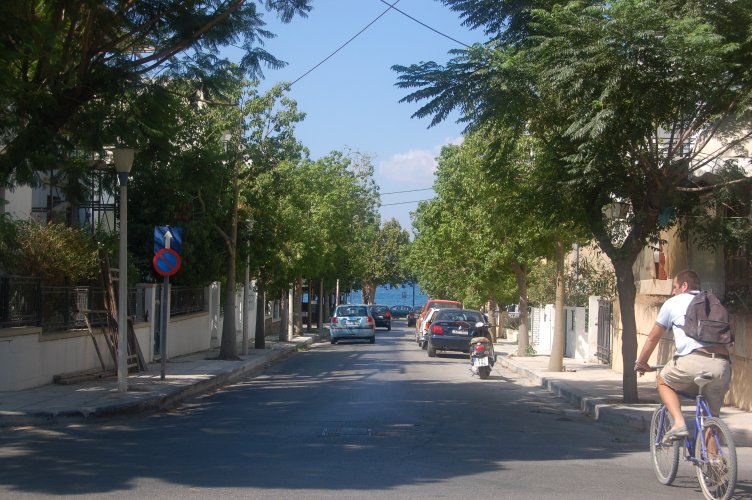
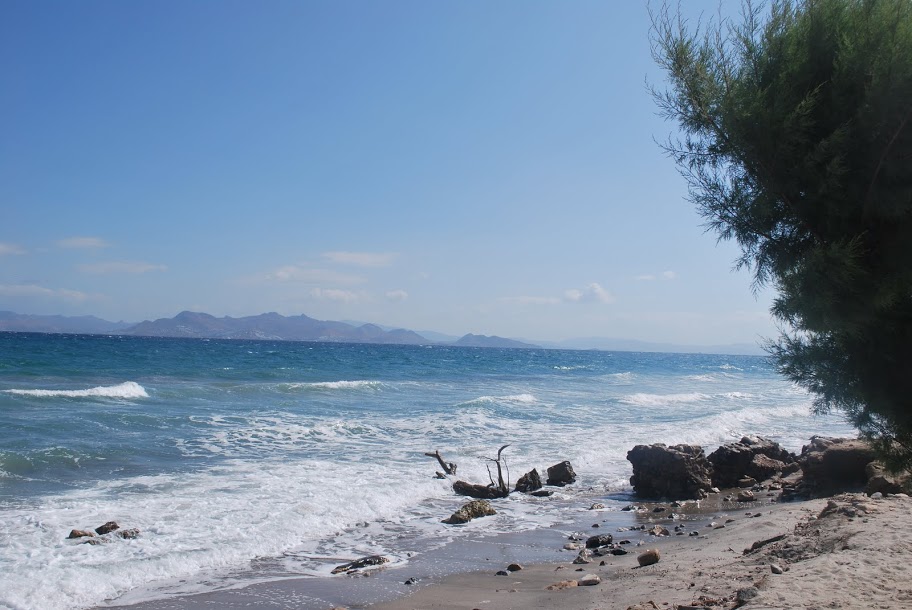
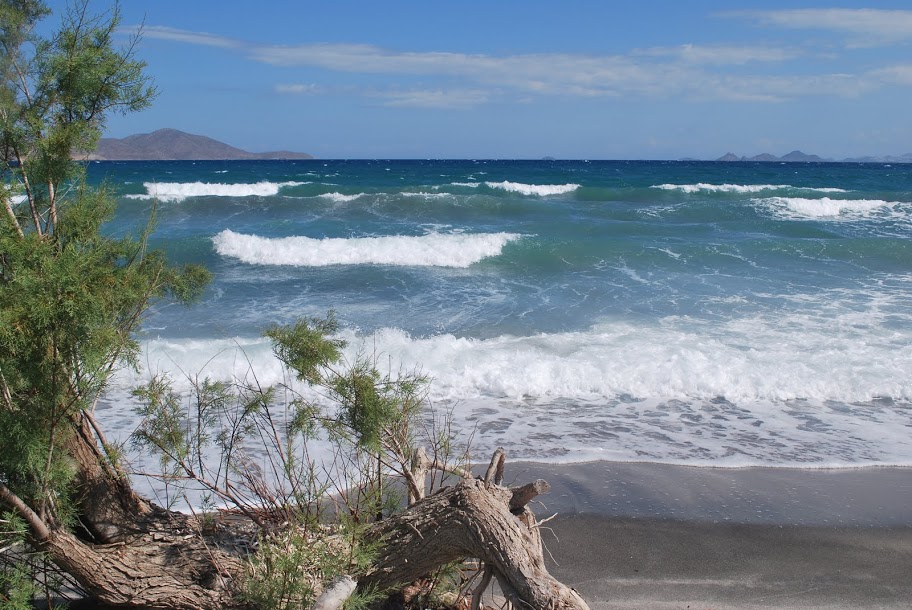
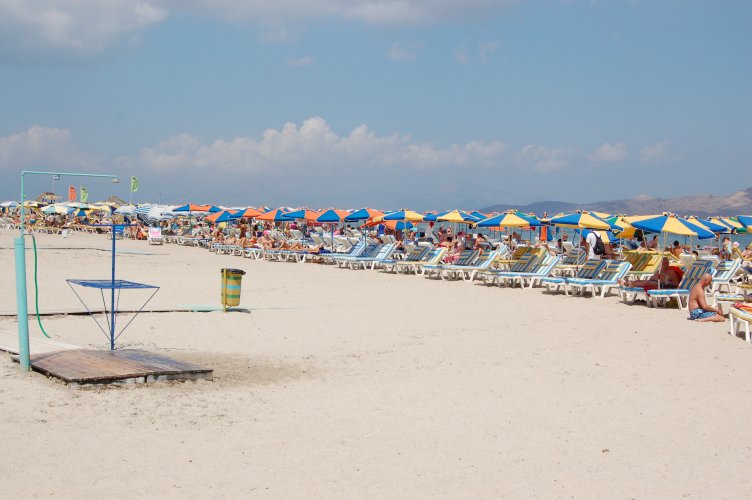
Kos Town lies on the northeast coast of the island and overlooks the mainland of Turkey. There is a beach and there are ancient remains and a nice nature. Kos Town would have had a lot of things going for it if it wasn't a place of mass tourism. Some people like the shops, the restaurants and the nightlife, but as for me: I like more the quiet places. Lots of the centre of the town has been rebuild in an Italian style after an earthquake in 1933. The town has wide boulevards, ruin-topped hills and much of the town centre is only accessible for pedestrians. The stretch of coastline between Lambi - Kos Town - Agios Fokas is a hotel strip and the place of a large number of good sand beaches that are packed with tourists laying on their sun beds under their umbrellas. The northern part of the island of Kos is relatively flat and therefore it is a popular place for cycling around (as I also have done). |
 |
 |
 |
 |
 |
 |
 |
 |
 |
 |
| KARDAMENA AND OTHER VILLAGES ON KOS - BEACHES AND NATURIST BEACHES ON KOS |
|
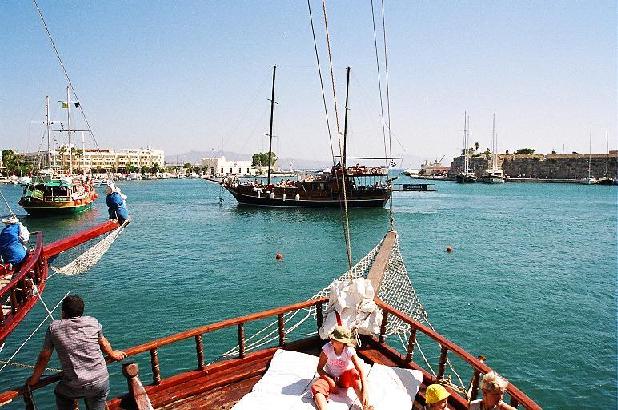
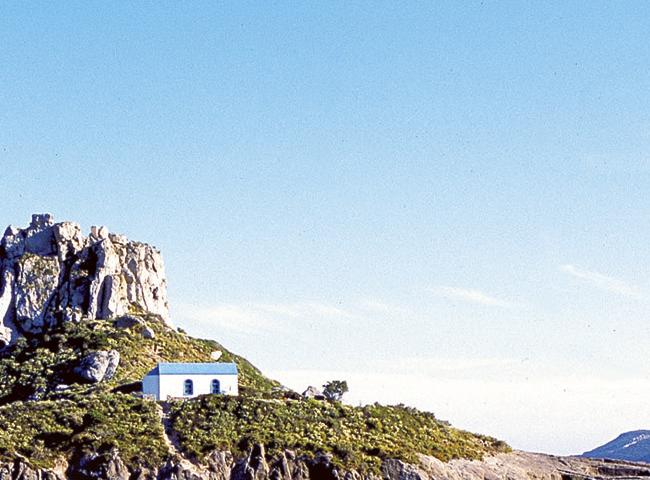
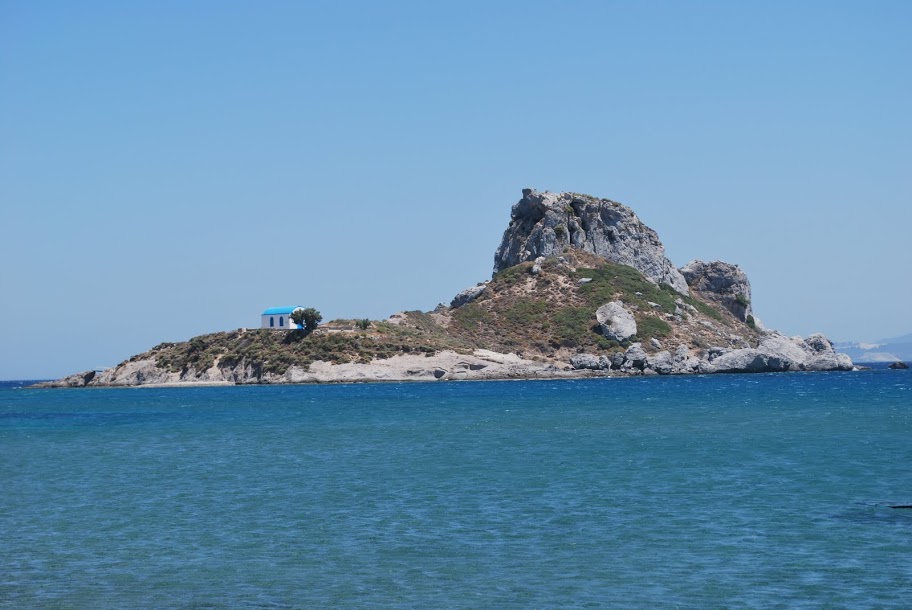
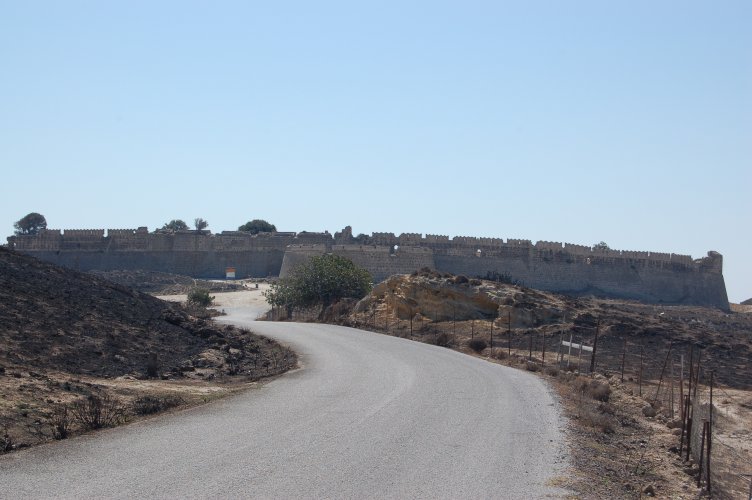
The village of Kardamena is also one of the major tourist resorts of the island of Kos, almost putting Kos Town in the shade for its numbers of disco's, taverna's and Hotels. Kardamena is mostly a newly built place with no historical centre and it consists mainly of hotels. The village comes with a crowded beach and a harbour with excursion boats. At a distance of 3 kilometers west of Kardamena you can find Tropical or Natural Beach, the only official nudist beach of the island of Kos. There are beach beds and umbrellas for rent and thers is a beach bar where you can get drinks and sandwiches. It is a small beach and the water is clean and shallow. If you go further west towards Kefalos you will see more turns leading to different beaches. Mastihari is the largest village on the north coast. It has a good sand beach and is a bit more quiet than Kardamena. The best beach is on the west of the village centre and most of the large hotels are on the east side. Another small settlement on the north coast, Tigaki, is a popular alternative for the beaches Kos Town. It has a very large beach that is popular with the windsurfers. The more attractive destinations on Kos are harder to get to. The best beaches are situated near the village of Kefalos, 45 km away from Kos Town. Kefalos is the ancient capital of Kos. This part of the island is the most fertile and quieter than the rest of the island. The area is relatively unspoilt. The largest beach can be found in Kamari in the south. Besides a large sand beach there are also remains from an ancient agora (market place) in this village. Closeby Agios Stefanos Beach is the site of an early basilica and another good beach. In front of the village lays the islet of Agios Nikolaos with its chapel. To the east are another couple of beaches that can be reached by boat or bus stops along the main road: Paradise, Sunny and Magic Beach. Magic Beach (also called Polemi or Exotic Beach) is the easternmost beach in this area, and the first beach you encounter as you drive from the airport to Kefalos. The large sandy beach is marked with a sign. Magic Beach is a partial organized beach with beach beds and umbrellas, where there is room for naturists. Much of Magic Beach has no beach beds or facilities, and the beach and unofficial naturist beach. Nudism sometimes gets less during the hig season (mainly in August). Further on the beach changes its name to Psilos Gremos or Sunny Beach, and it can be reached from the road via a separate exit, but actually, it's just the same stretch of sand. In Sunny Beach there is a taverna, but it is situated a little higher, about 200 meters from the beach. Also on this beach there is room for naturism. Further facilities than the beach taverna you will not find here. Also here the beach is good. It is a wide sandy beach and it is easy to go into the water. Behind Sunny Beach are Markos Beach and Paradise Beach, also each with its own exit from the road. On Markos Beach there are again beach beds and umbrellas for hire and there is a taverna with the same name as the beach. On Markos beach sometimes discreet naturism is possible. Paradise Beach is also an organized beach with sunbeds. Some time ago it was also regularly visited by naturists, but that time has now ended. A particular phenomenon is a stretch of sea at this beach where bubbles come up from the sea bottom, which are caused by the nearby volcano on the island Nysiros from. The area is located just off the coast to the left of the watersports area, where you can see a black buoy which is about 200 meters from the coast. If you do go swimming towards the buoy you come to a point where it feels like a bubble bath For this reason, the beach is sometimes called Bubble Beach. The next beach is called Camel Beach. The beach is also indicated by a sign from the road. The road to it is a little more difficult. Camel Beach is located in its own cove and consists of sand and some pebbles. There are beach beds and umbrellas for hire. To the right of Camel beach you can, if you climb over some rocks or wade through the water, reach another small beach where off season there is also a possibility for naturism. The following two beaches, Agios Stefanos Beach and Kefalos or Kamari Beach are sandy beaches where nudism is not allowed. They are also too close to the buildings. For more info on the beaches and naturist beaches on the island of Kos in Greece, go to my special page about the beaches - click here. |
 |
 |
 |
 |
 |
 |
 |
 |
 |
 |
| THE HISTORY OF THE ISLAND OF KOS |
|
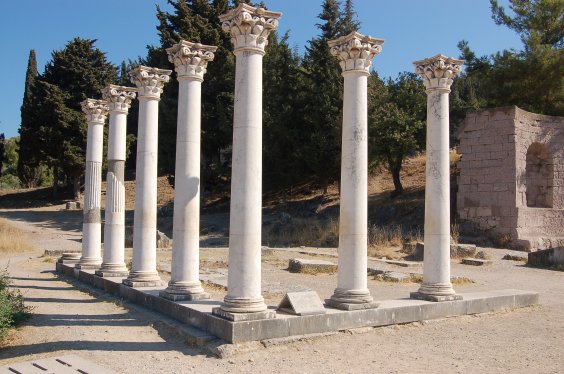
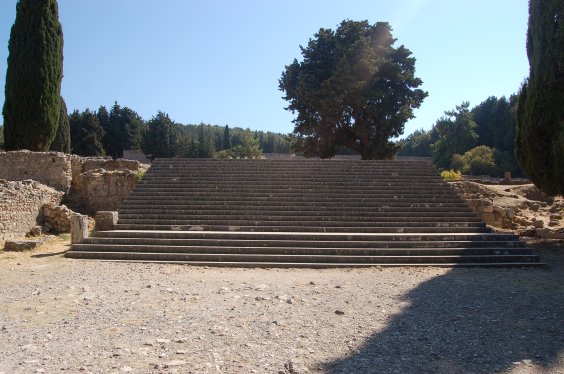
The island was originally colonized by Karians. The Dorians took over the island in the eleventh century BC. Later the island joined the alliance of Delos. The Persians were driven out twice. In 366 BC Kos town was founded. In ancient times Kos was famous for its Asklepieion. The Asklepieion is one of the greatest shrines in Greece. It is situated on a hillside 4 km west of Kos Town and was the leading medical sanctuari in the Greek world. Dedicated to the son of Apollo, Askleios - God of Healing, symbolised by a snake curling up a staff, it attracted a lot of pilgrims. The Asklepieion was a masterpiece in Hellenistic architecture that became an architectural and cultural centre. Hippocrates (460-357 BC), who is known as "The Father of Medicine" was born and had his school here. Kos is a large compared to most of the Greek islands. It is 45 kilometers long. And Although Kos was an important centre in the ancient times, it was never quite large enough to be a major force of its own. It relied on other forces for its protection, like Egypt, Rome and Rhodes. |
| HOW TO GET TO THE ISLAND OF KOS ISLAND |
Kos has got an international airport and there are regular flights from several countries to the island during summer season. Check your local companies to see if they sell tickets or try Olympic Airways / Aegean Airlines to see what they have on offer. You can book a car in Kos online with Auto Europe - click here. Kos had good connections with the town of Piraeus on the mainland and with many islands in the Dodecanese and other islandgroups, such as Leros, Patmos and rhodes. You can check initiaries and book a ticket online at Ferries in Greece. Especially if you want to book a superfast ferry in the high season this is not a bad idea. |
 |
 |
 |
 |
 |
 |
 |
 |
 |
 |
| KOS ACCORDING TO ELLEN |
|
I have been going to Samos for years and I have lost my heart to it. I finally persuaded myself this summer to visit another island. We went to Kos (Tigaki). Nice, but too touristy for me and I missed the authentic Greekce. The beach of Tigaki was not for me, too busy. However it had sand and seaweeds, it was long and shallow, good places for eating on the beach, people that bring around donuts, Chinese masseurs that walk around. I also like more the typical Greek taverna in a quiet village where the food is prepared with feeling. I like to look at excavations too. On Kos was there was plenty to do for people that like ancient remains. But unfortunately often I had the feeling that the real Greece was missing. That mystique feeling I only had in the Byzantine town Agio Pyli and the Asklepieion. In those places there was a certain mystique and you could feel and imagine how the people there had lived. |
 |
 |
 |
 |
 |
© Hans Huisman, Carla de Goede, https://www.angelfire.com/super2/greece/ 2014