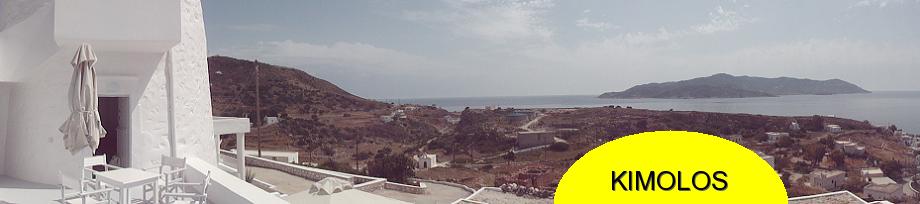
| The Greek Islands | Kimolos HOME | Kimolos Hotels | Kimolos Ferries | Polyaigos Island |
 |
 |
 |
 |
 |
 |
 |
 |
 |
 |
| THE ISLAND OF KIMOLOS IN THE CYCLADES IN GREECE - QUIET AND UNSPOILED |
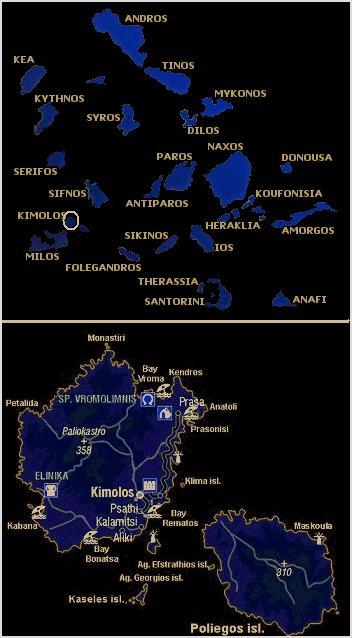

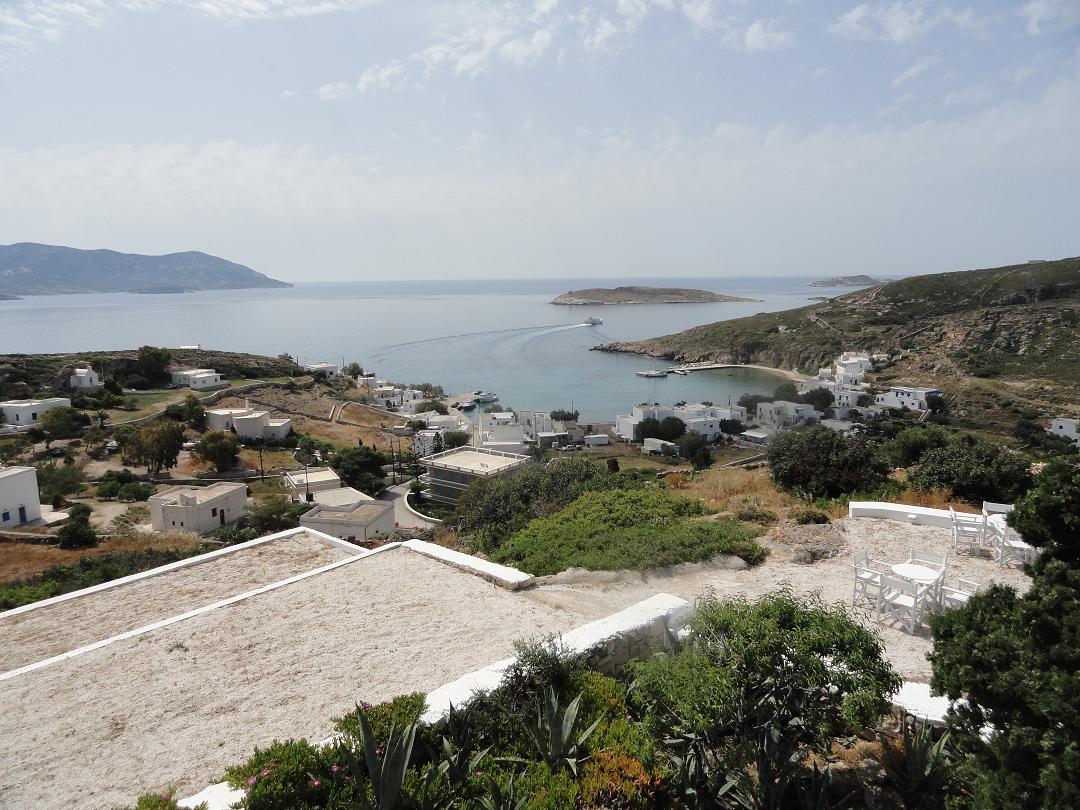
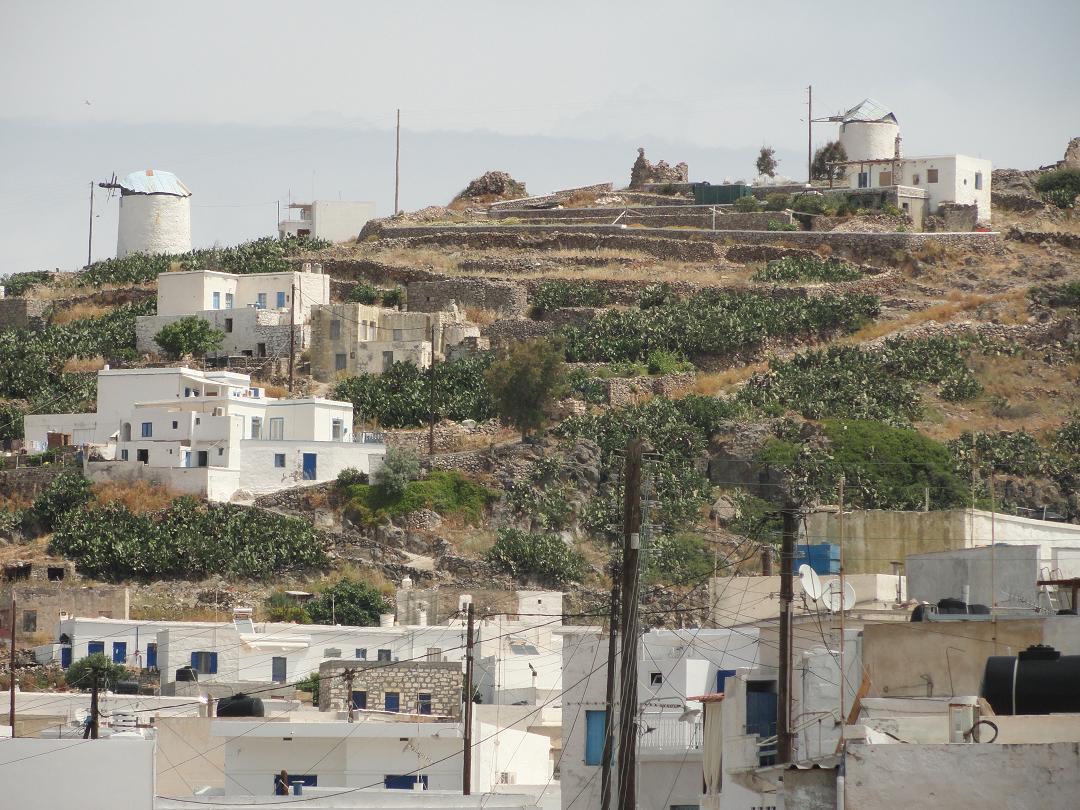
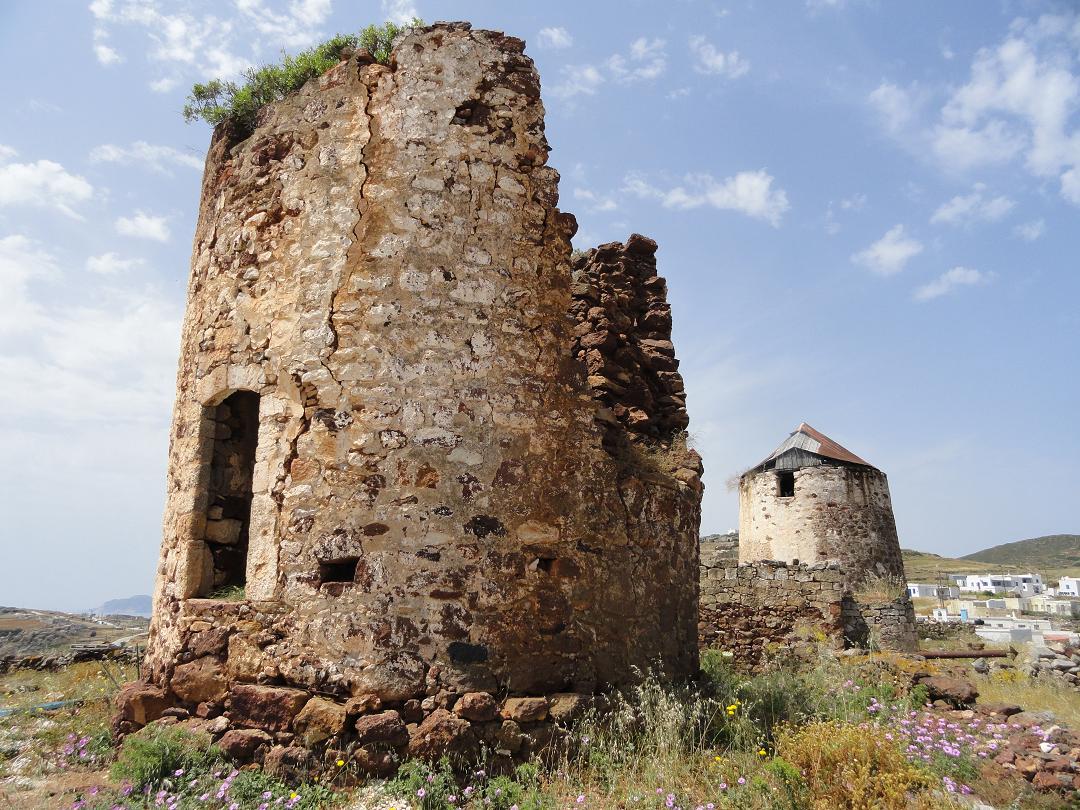
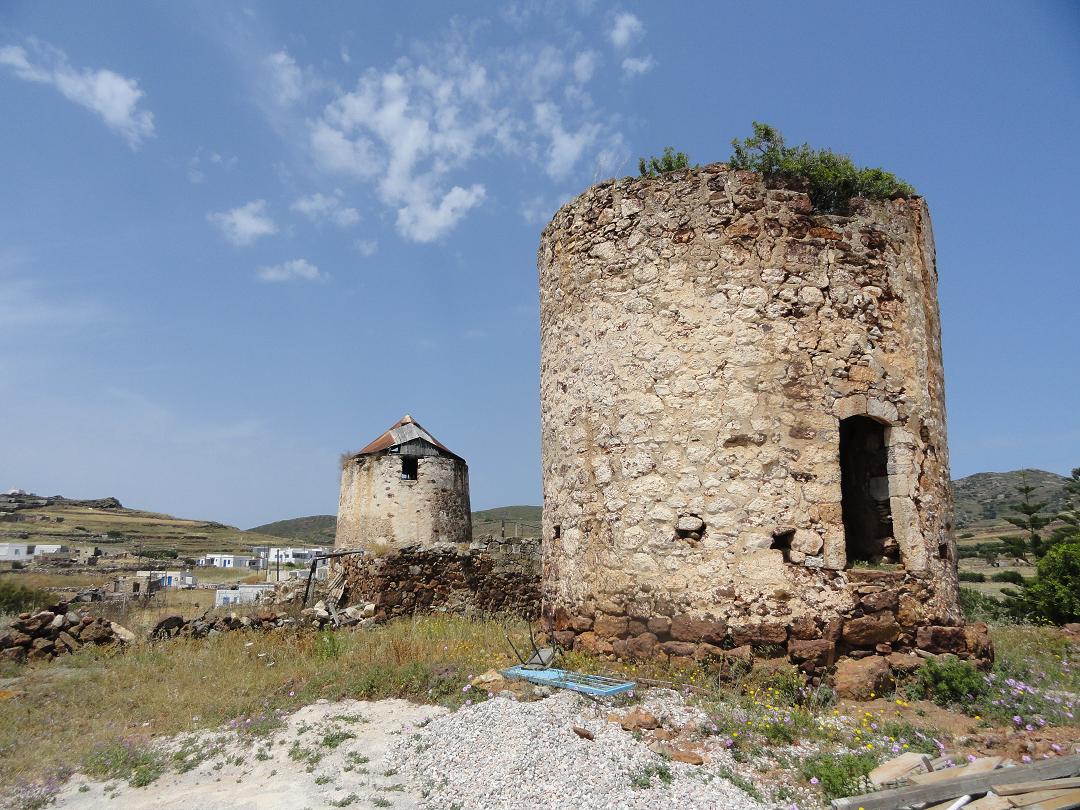
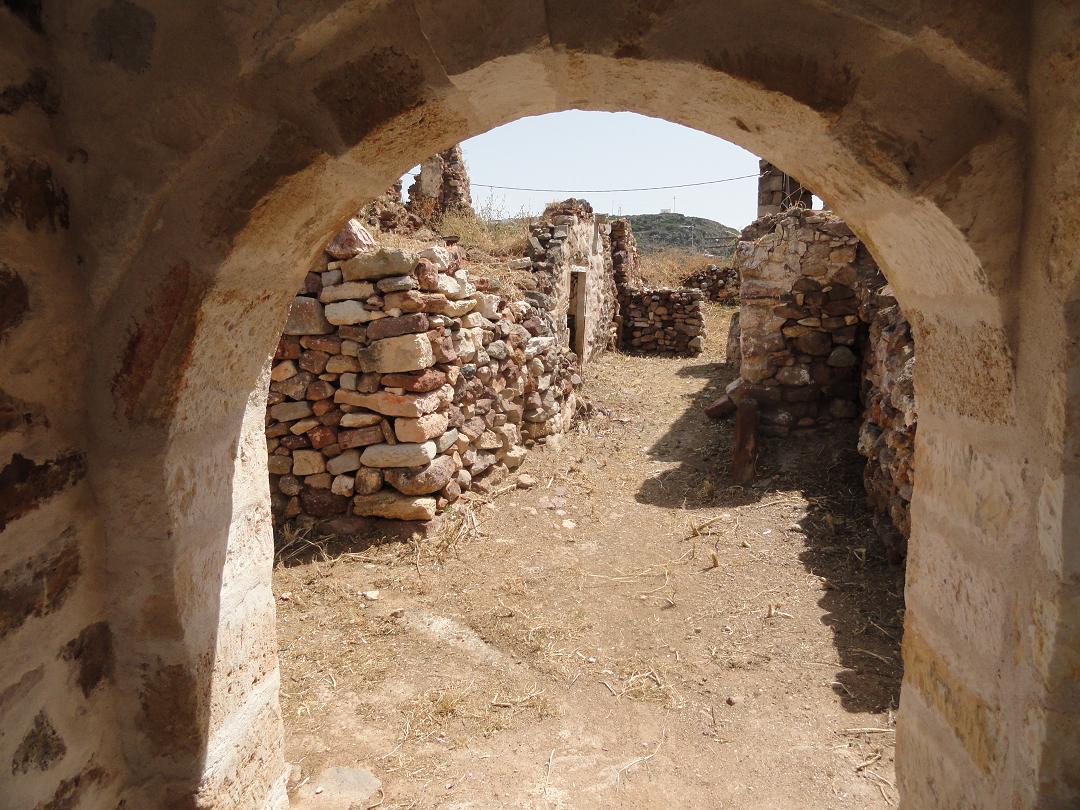
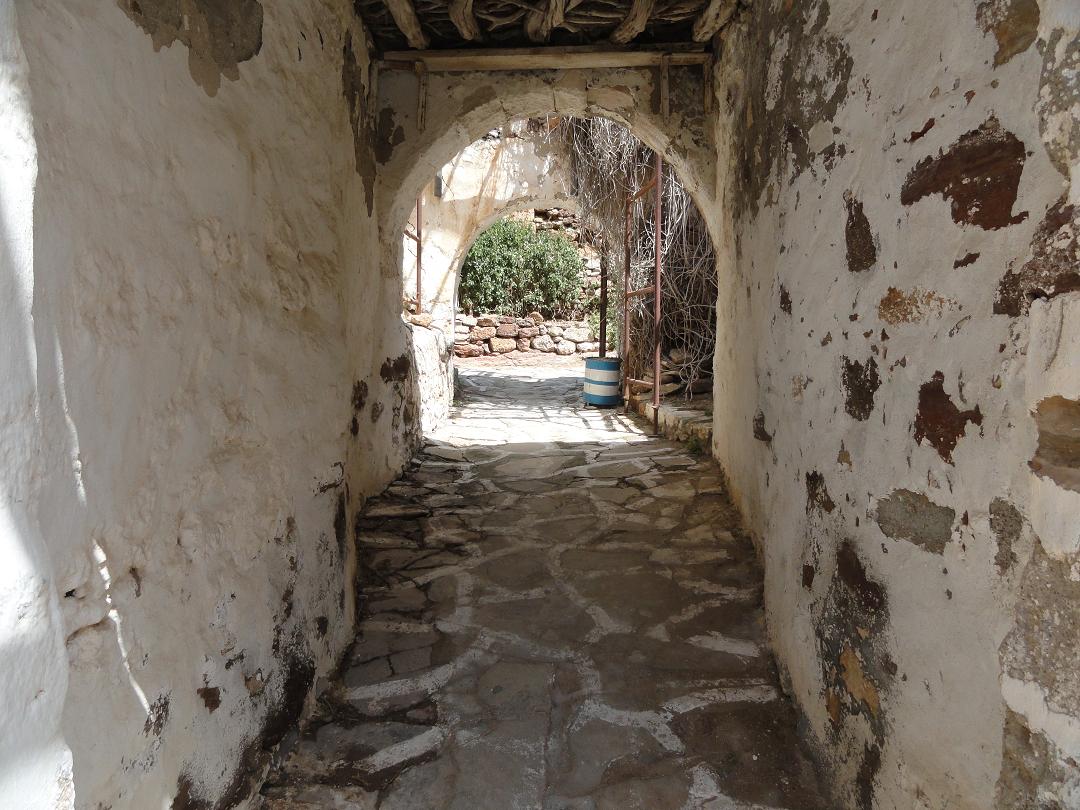
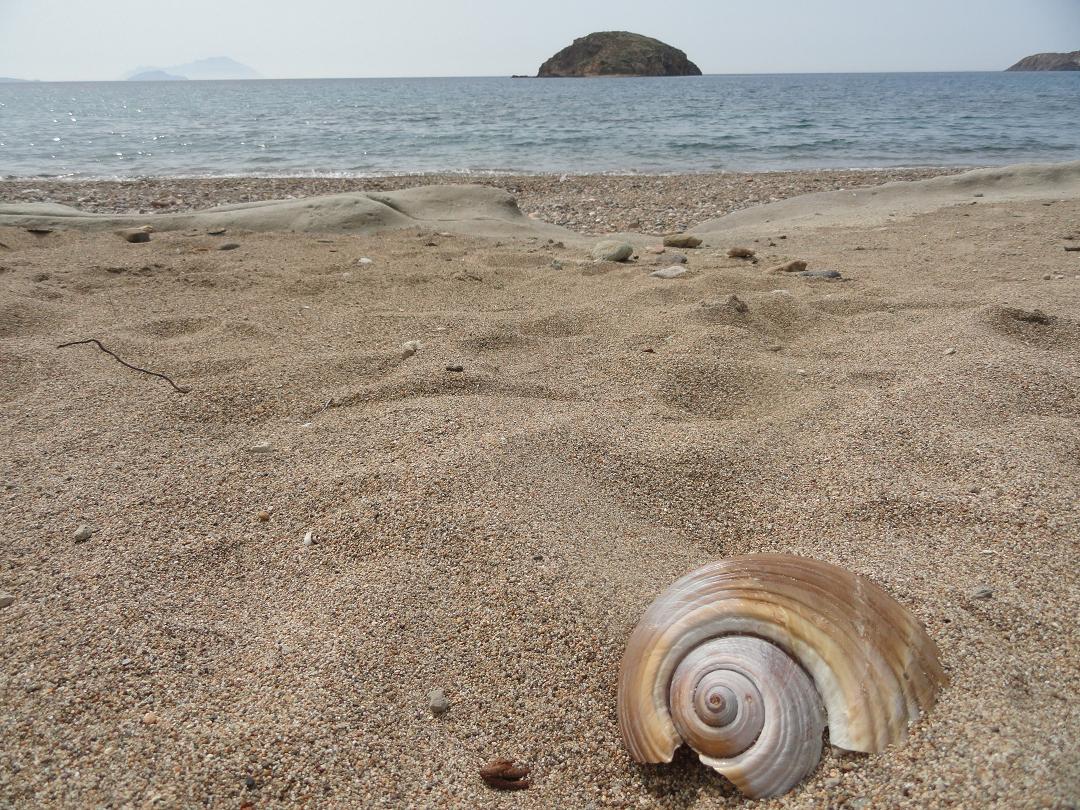
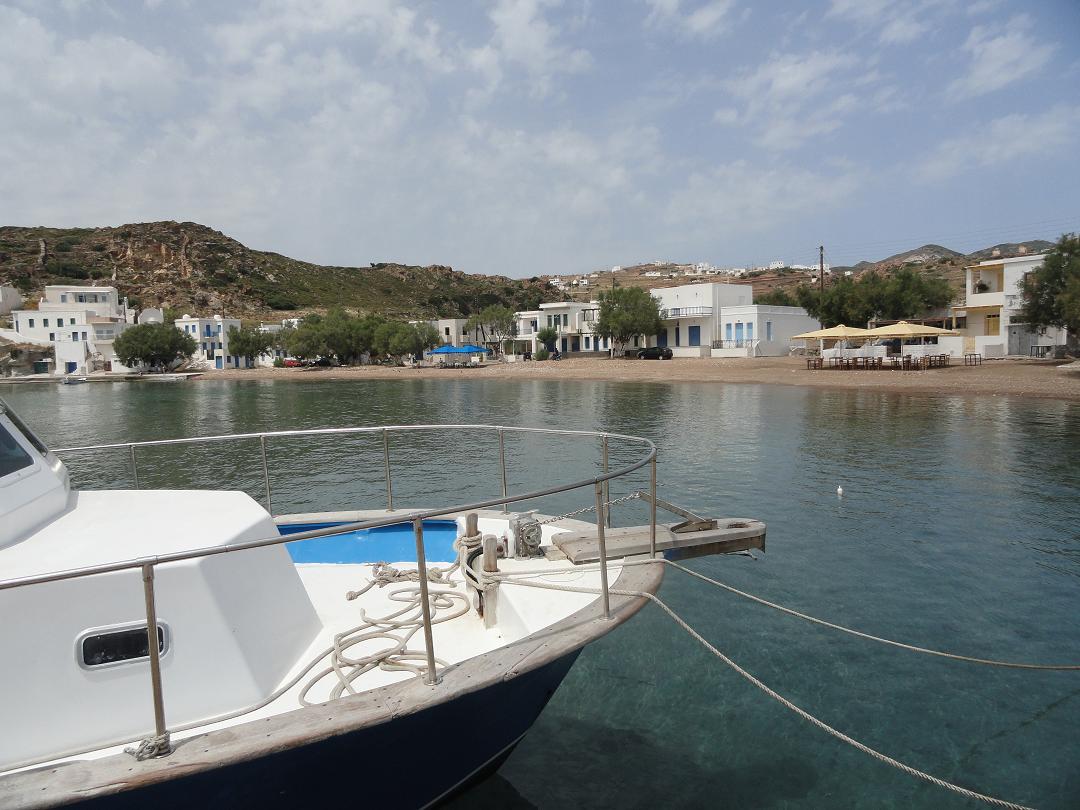
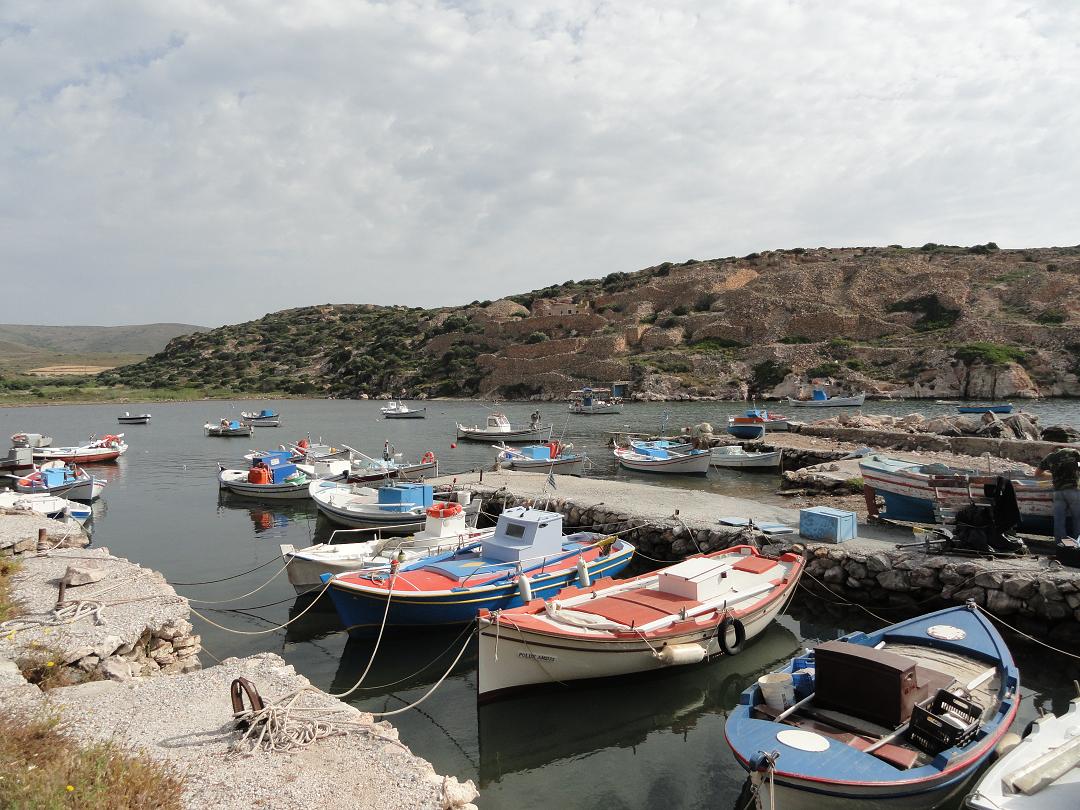
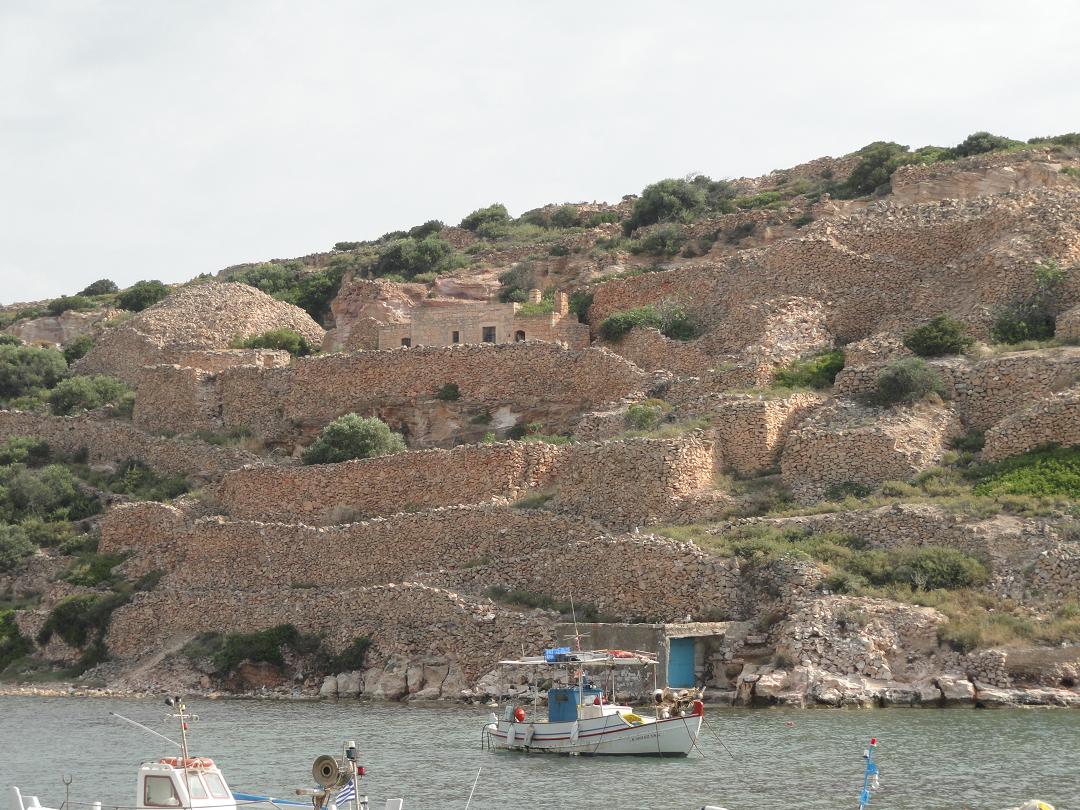
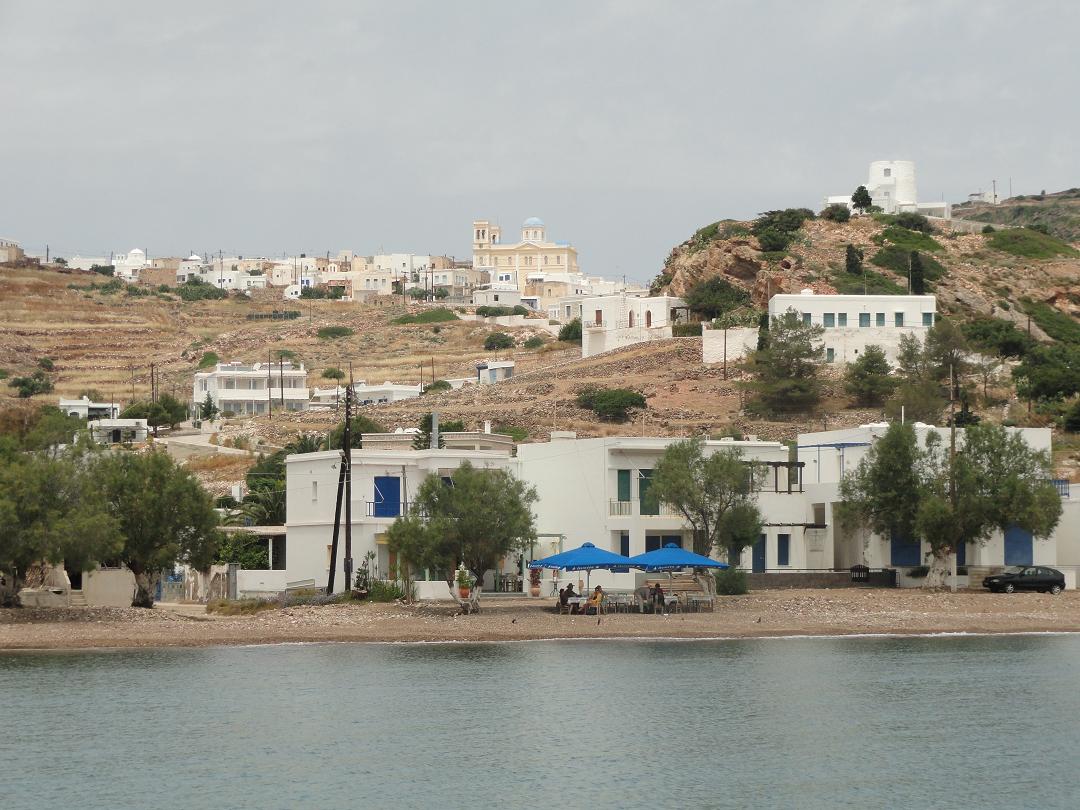
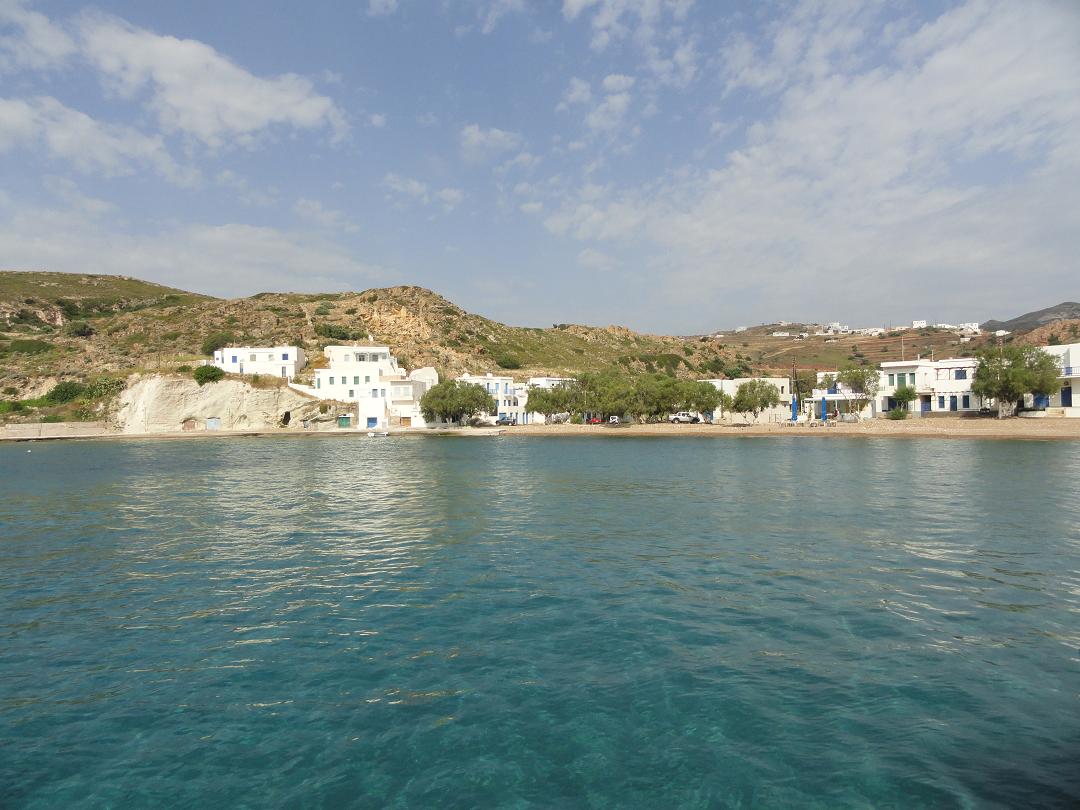
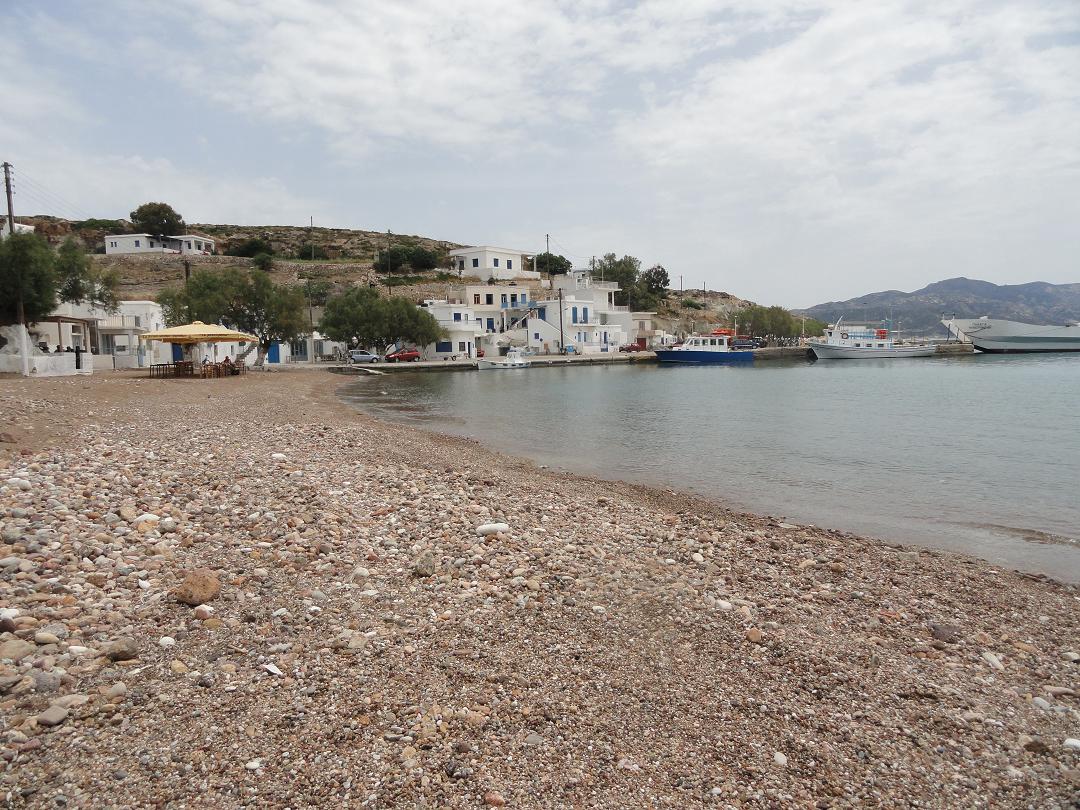
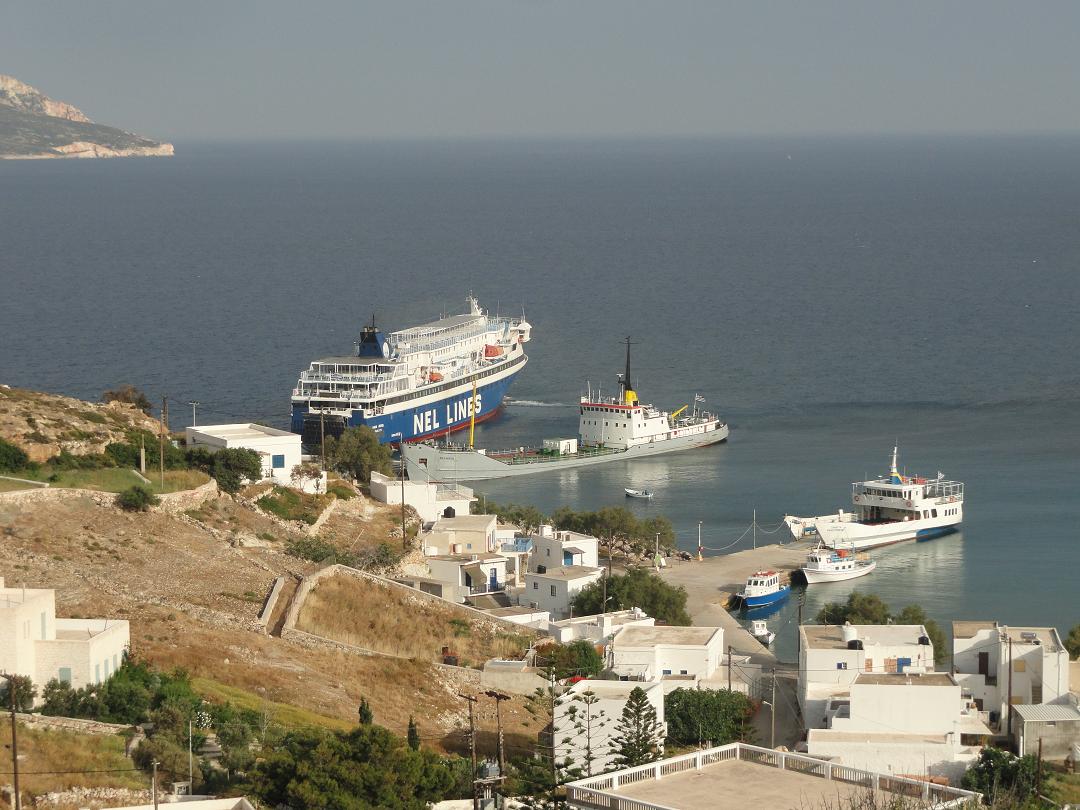
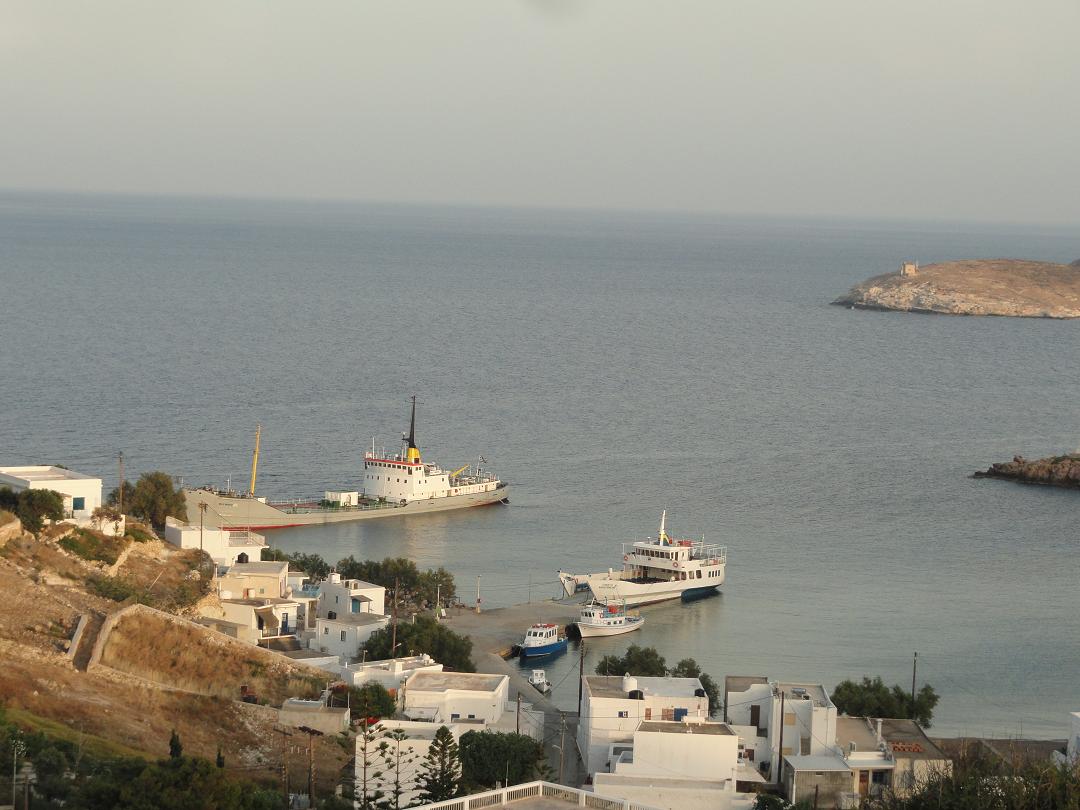
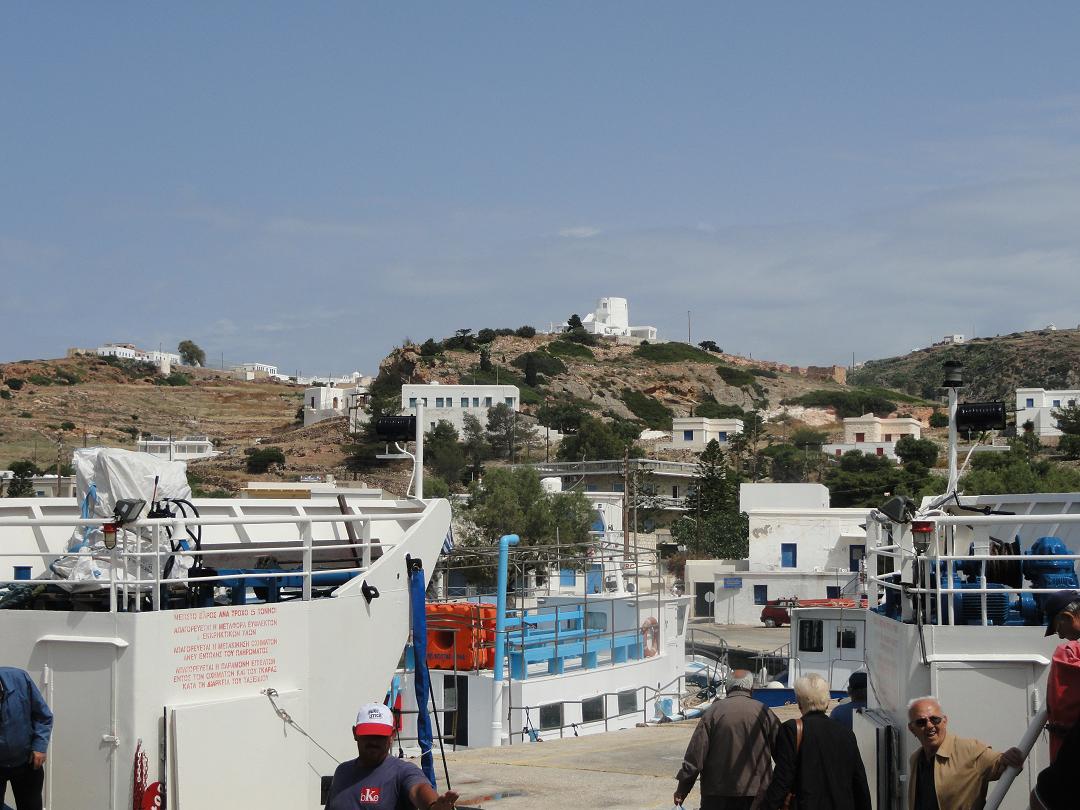
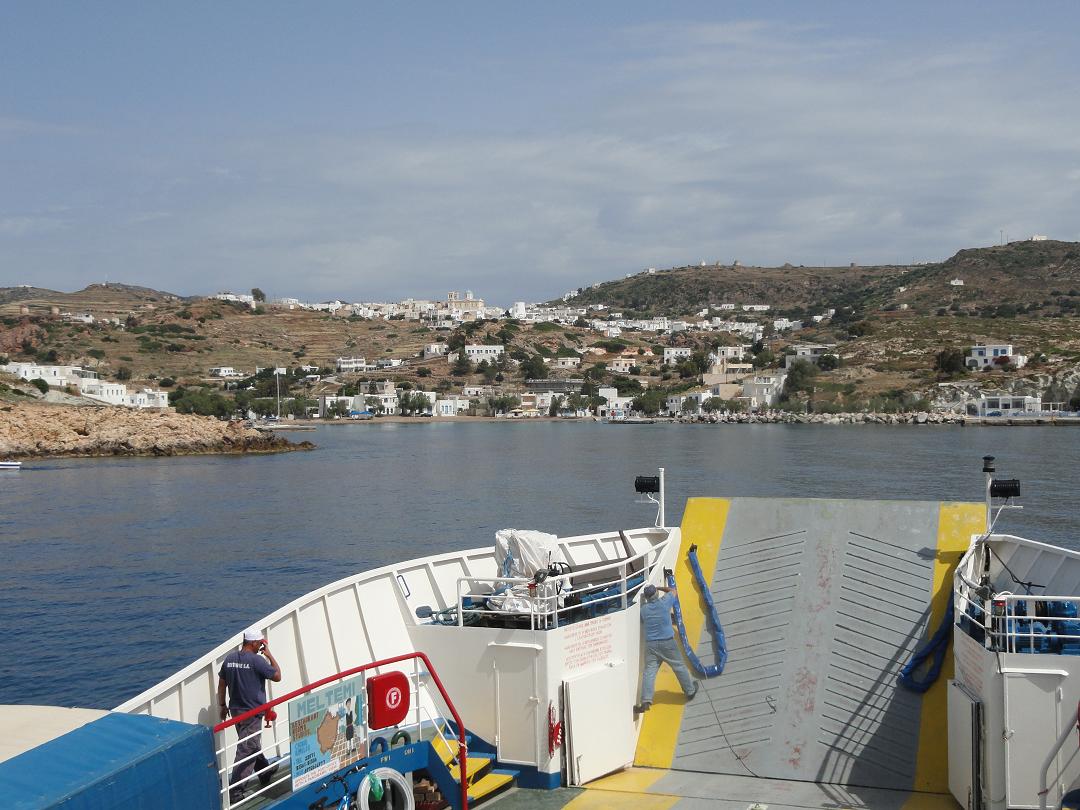
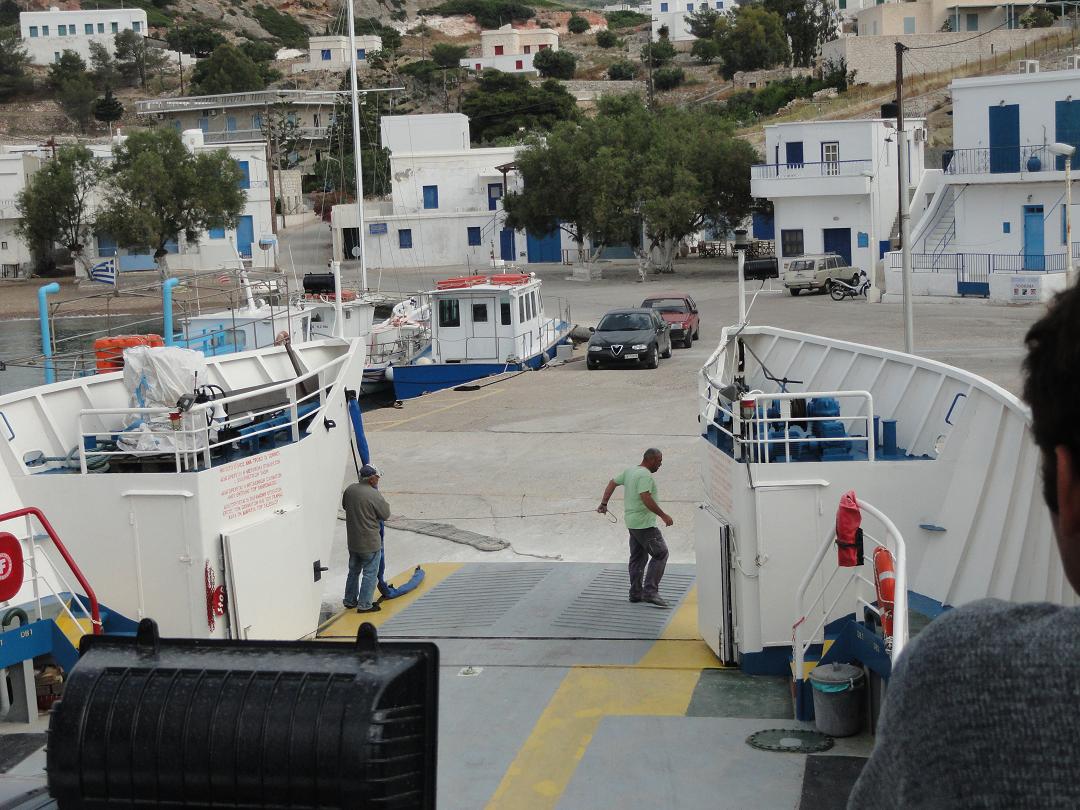
The small island of Kimolos is a good destination for those wishing to escape the crowds and commercialism that prevails in some other islands. Kimolos is named after the lime or "kimolia" which was mined and where porcelain was made of. On the northeast side of the island the landscape is therefore affected by mining. How ever from the sea upon arrival with the ferry this gives a false impression of the island, because the south coast is very friendly and there are a number of beautiful sandy beaches (Aliki, Kambana and the naturist beach Ellinika). The population of the island of Kimolos is very hospitable. Here also live the descendants of pirates, with pitch-black, curly hair and pale blue eyes. For tourists that are looking for a quiet and traditional holiday island Kimolos is the right place to go to. During the high season it is also possible to make a daytrip to Kimolos from nearby islands as Sifnos and Milos. From the village Pollonia in Milos (which in almost all maps of Milos and all literature wrongly is marked / indicated as "Apollonia") a trip with the kaik takes only 30 minutes. All ferries arrive in the port of Psathi, situated on the east coast of the island of Kimolos. In Psathi there are a number of tavernas and there is a pebble beach. It makes a quiet impression. On a short distance in a cove lies Goupa, where you can find a beautiful beach with a couple of tavernas. Behind the village Psathi begin are the hills with here and there a windmill. The Chora or capital is situated at about one and a half a kilometer distance and is set on the foot of the mountain Xaplovouni, behind the port. It is an easy walk (public transport is not available on the island, but there is a mini bus during the high season between Psathi and the Chora and to some of the beaches). The Chora itself is relatively unspoilt and authentic and includes a (twentieth century) cathedral. The village is also known for its kastro (some houses build like a fortress in order for protection against attacks by pirates). This kastro is more than four centuries old and around it the village was further expanded to its present size. Similar "kastro's" can also be found on the islands of Folegandros and Antiparos, but the kastro on Kimolos is regarded as the finest. In later times additional openings in the wall were made. On one of the gates there is a date: 1556. Some pieces that were used in the buildings come from an even older building, namely a reinforcement from the thirteenth century. Much of this chora is still unrestored and in its original state, while the kastros in Antiparos and Folegandros are mostly done up. |
 |
 |
 |
 |
 |
 |
 |
 |
 |
 |
|
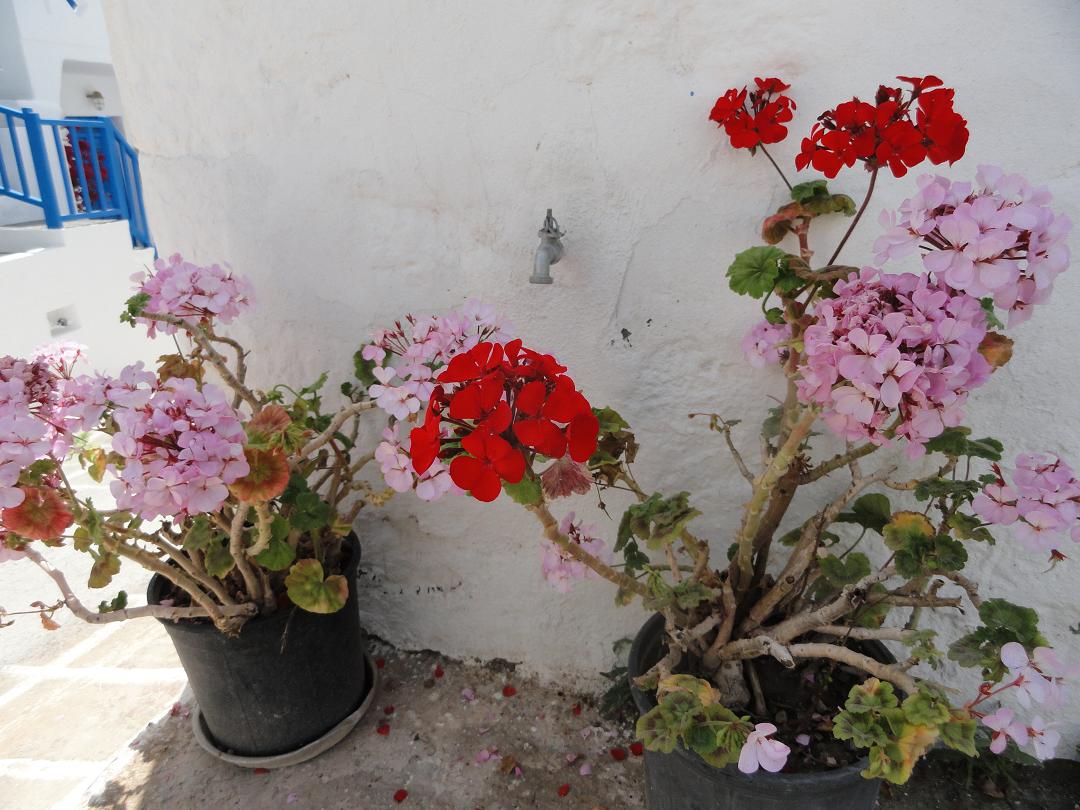
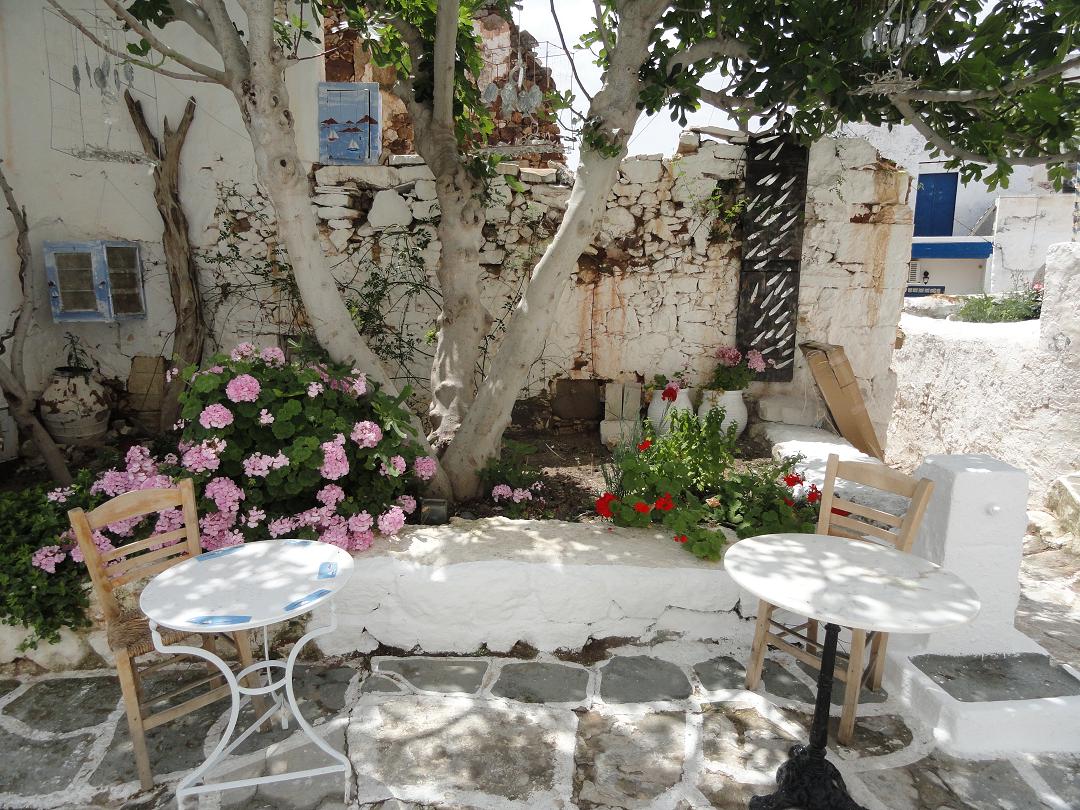
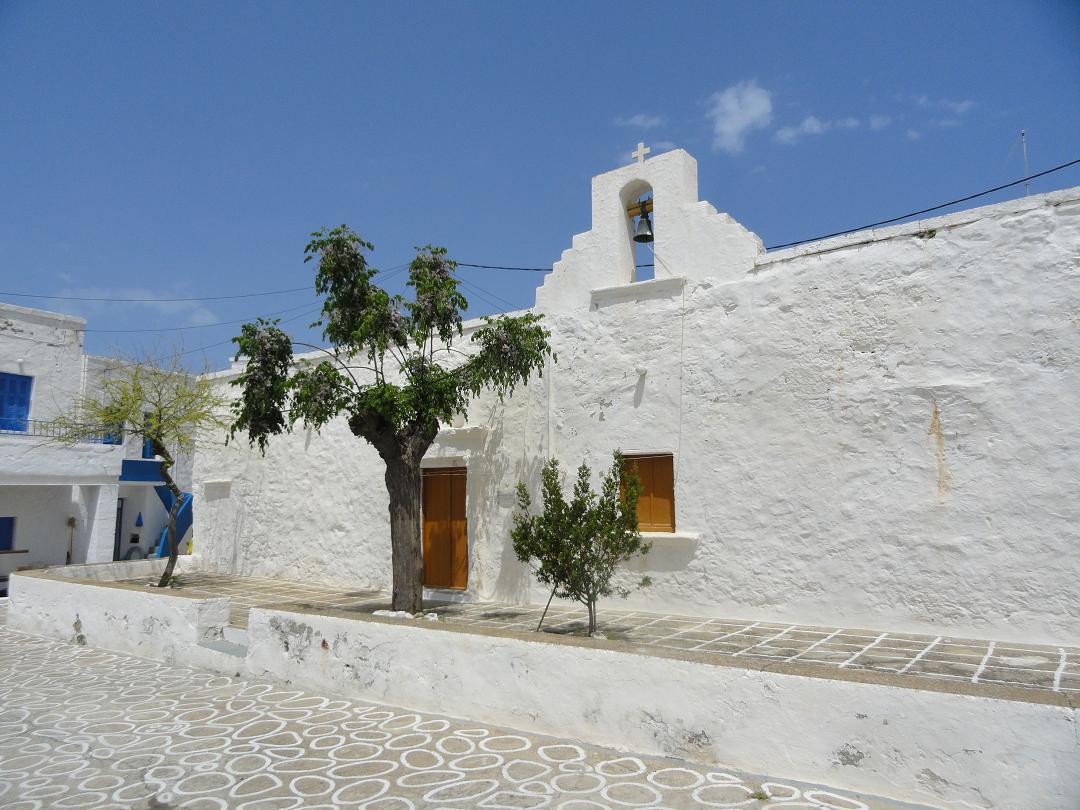
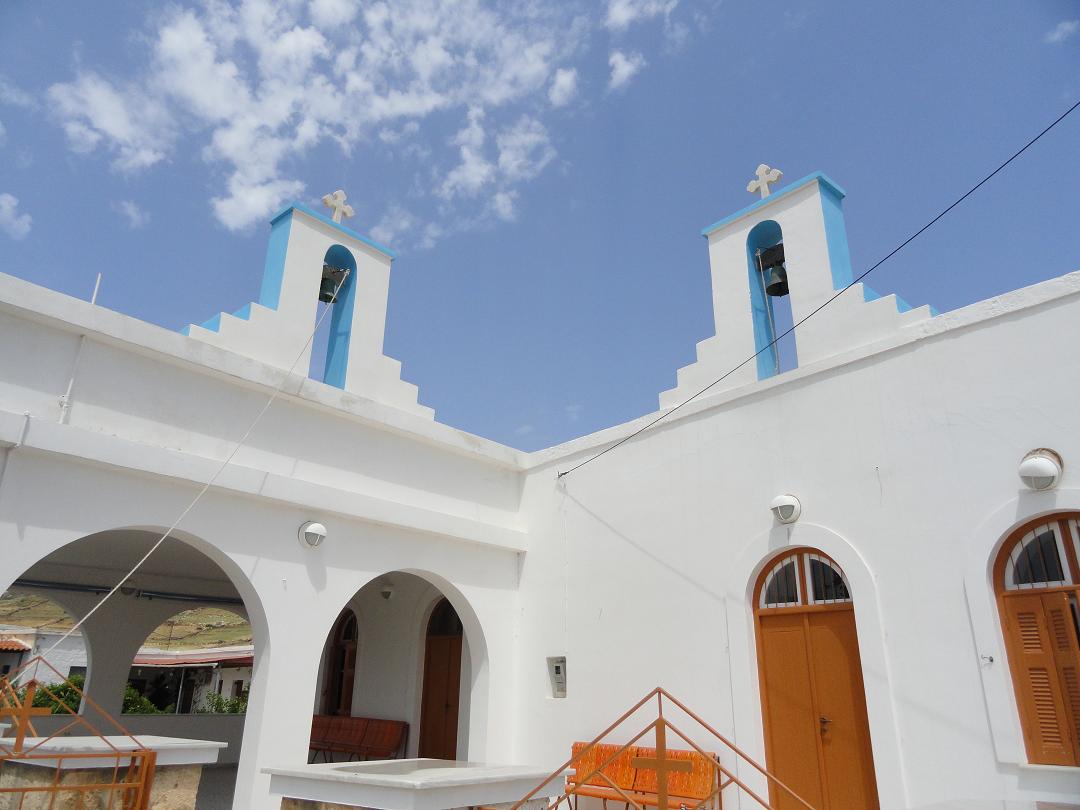
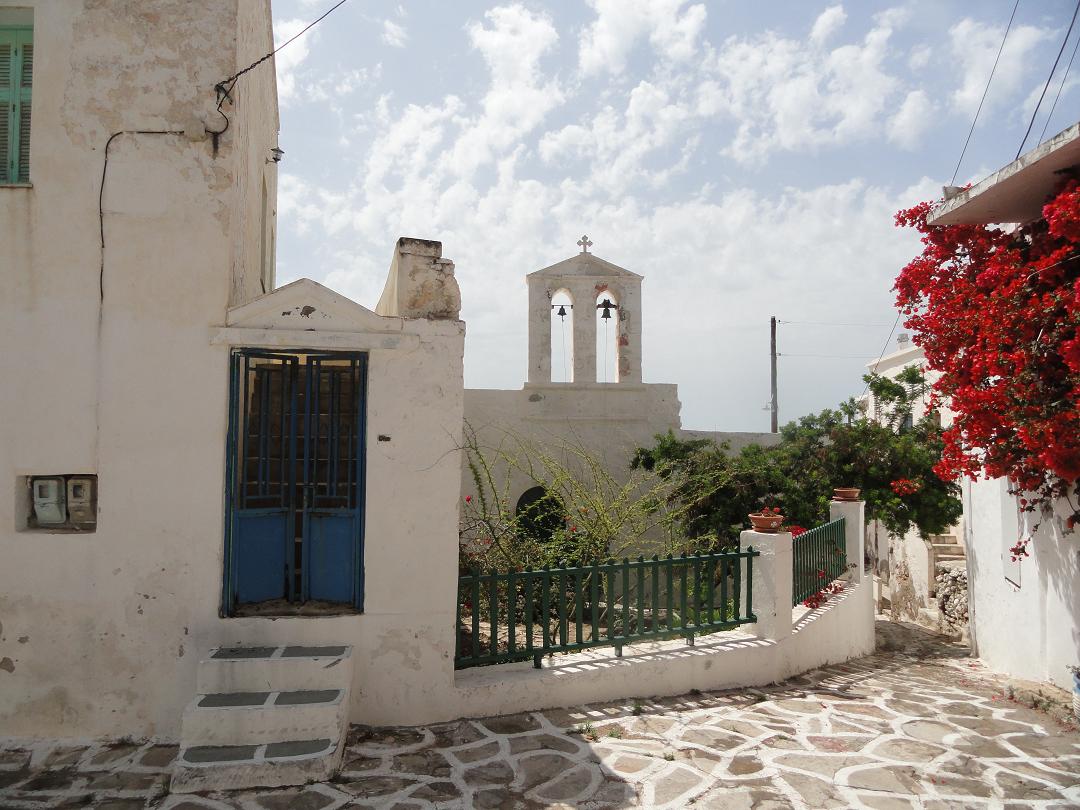
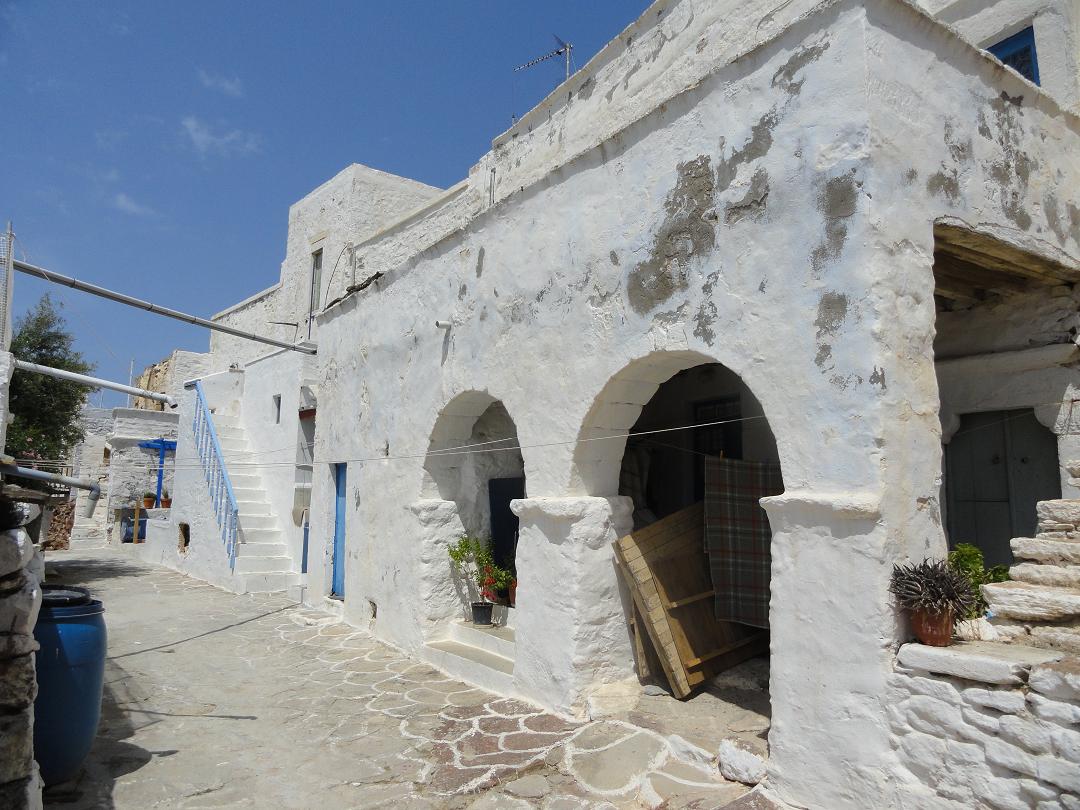
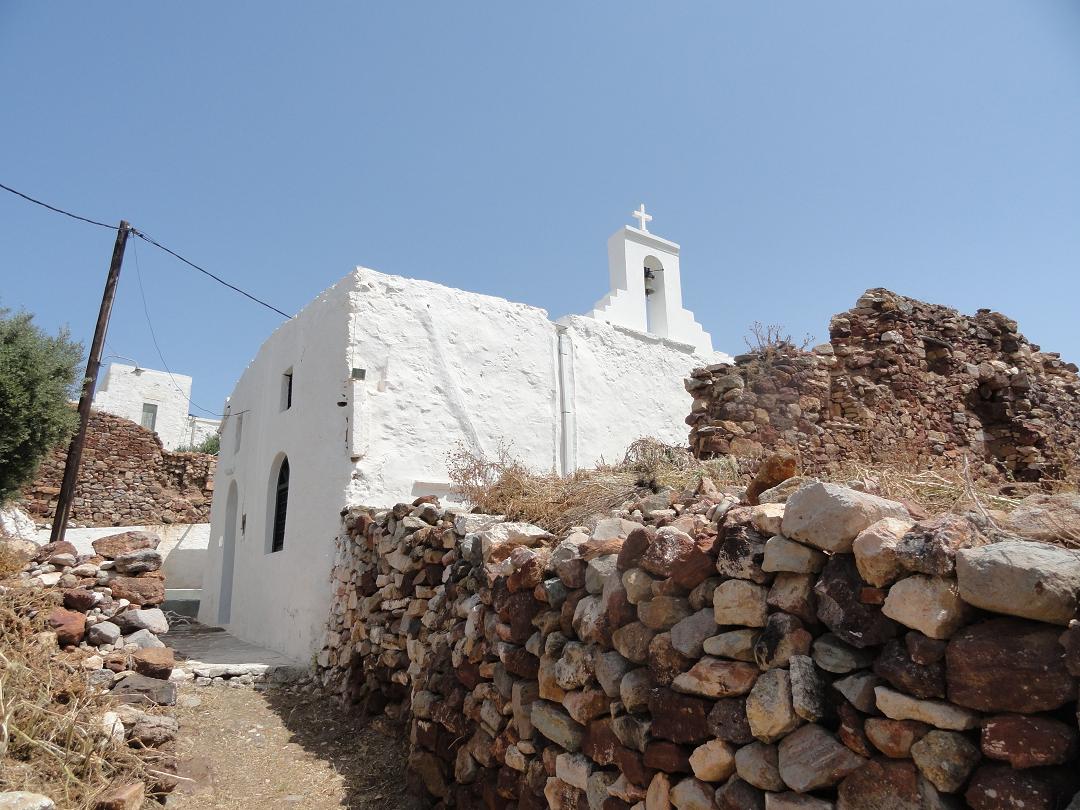
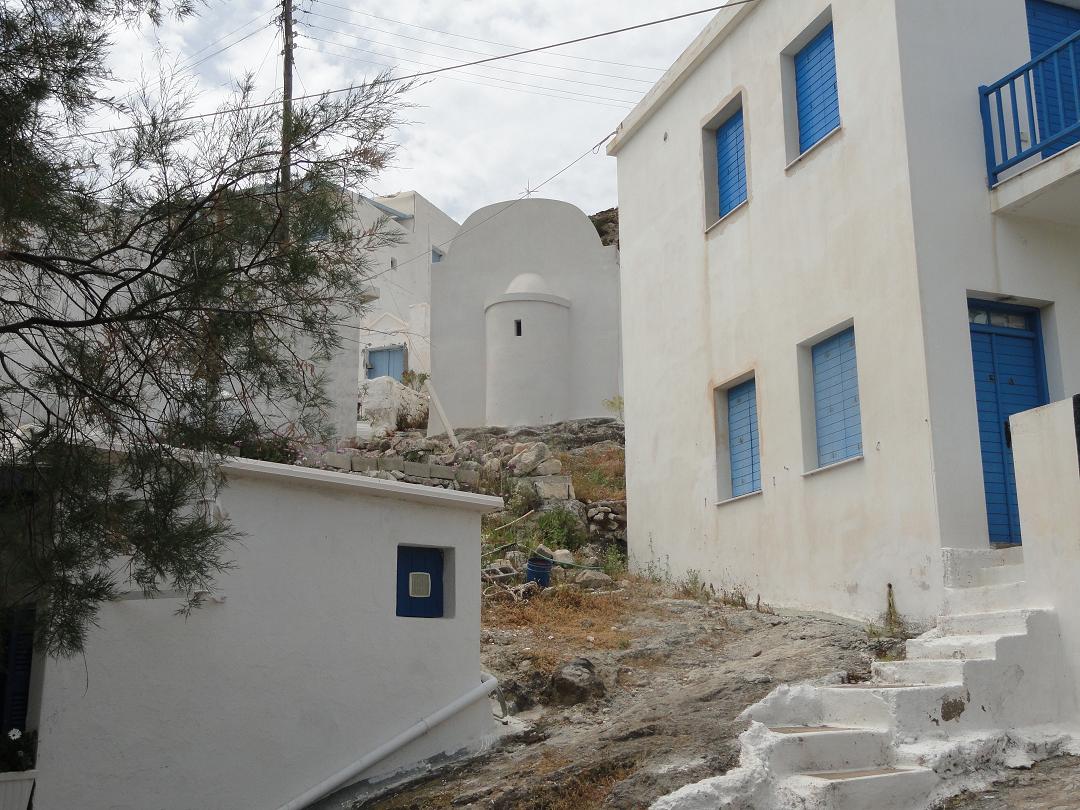
The village consists mainly of streets with houses and there are several small squares. The houses are painted white and there are many striking flowers. Spread over the village are a number of shops. These are not really adapted to tourism and the stock and the choice is limited. There are also a number of beautiful churches, such as the Evangelistia, which dates back to 1608. This church is situated just outside the kastro to the north. Then there are the Taxiarhis (1670) and the Chrisostomos Church (1680). In Chora is also a small Archaeological Museum. The views from the Chora over the island and the sea are beautiful. Chora was built like a labyrinth in order to confuse the pirates. There is also an archaeological museum with objects mainly from the excavations at Ellinika (see below). |
 |
 |
 |
 |
 |
 |
 |
 |
 |
 |
|
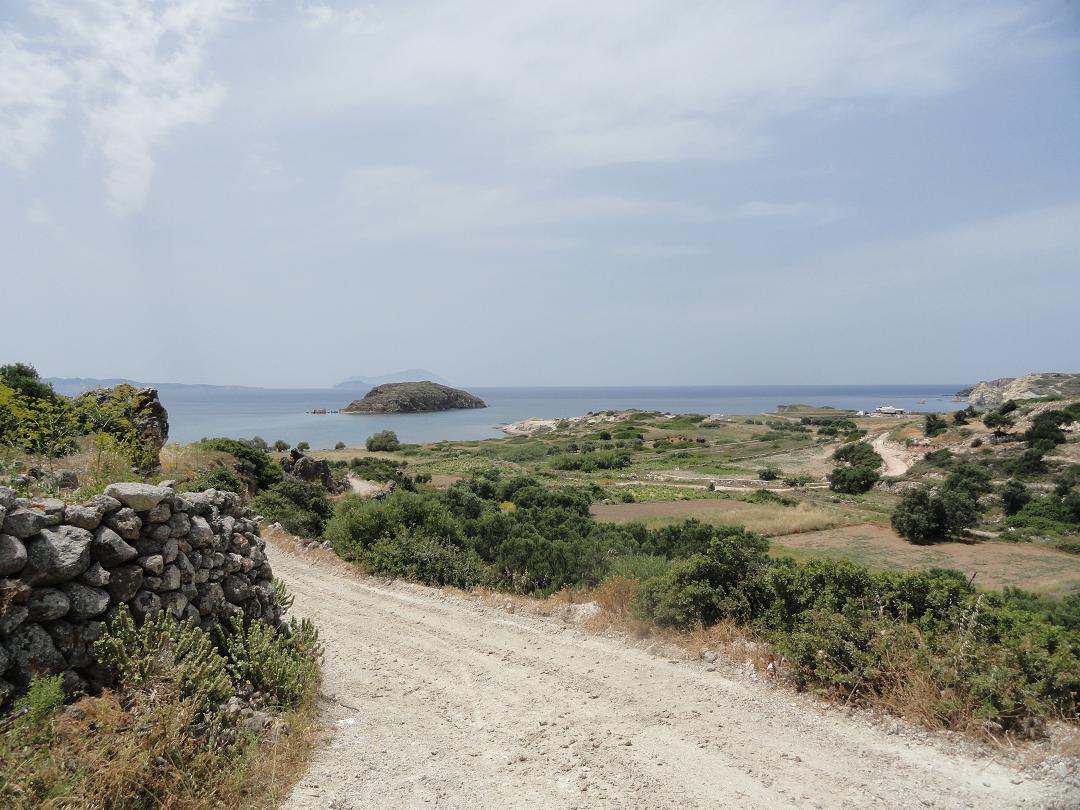
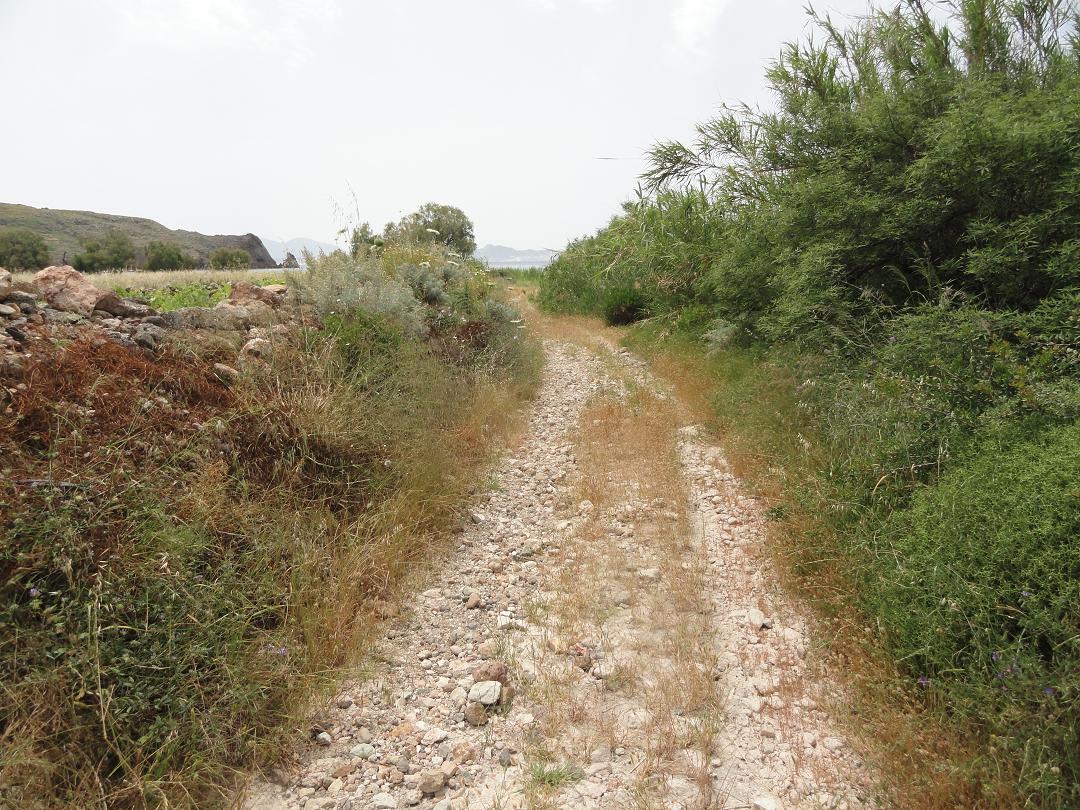
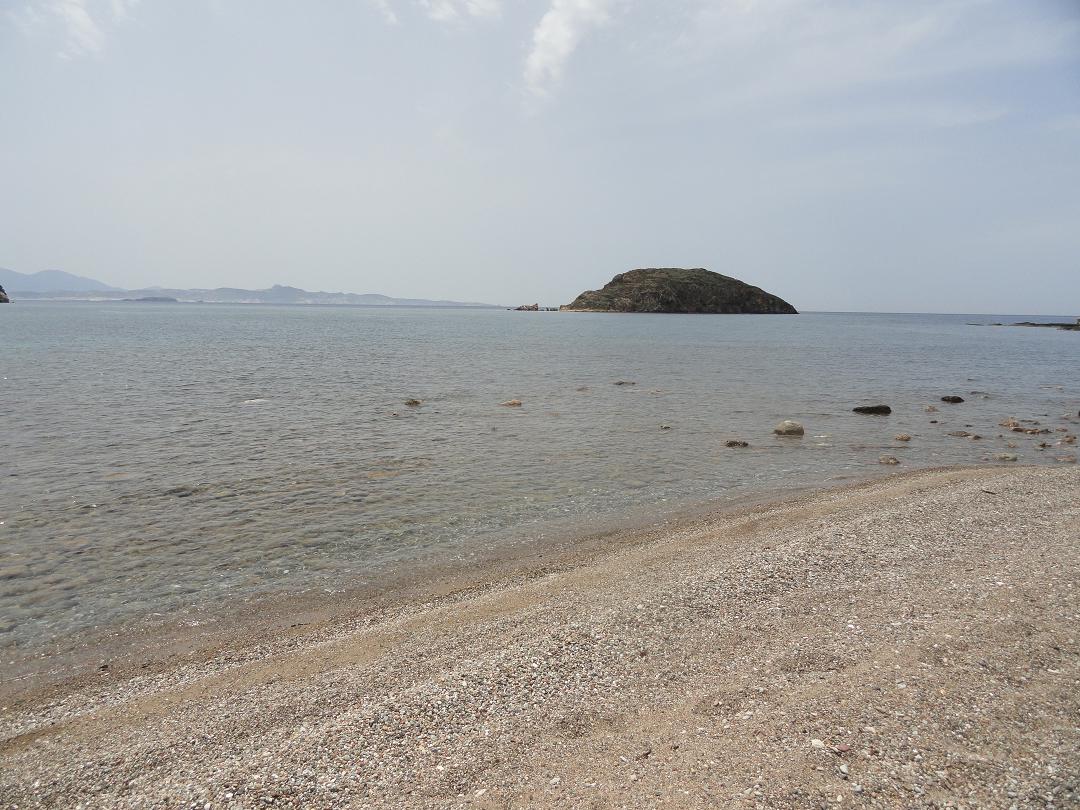
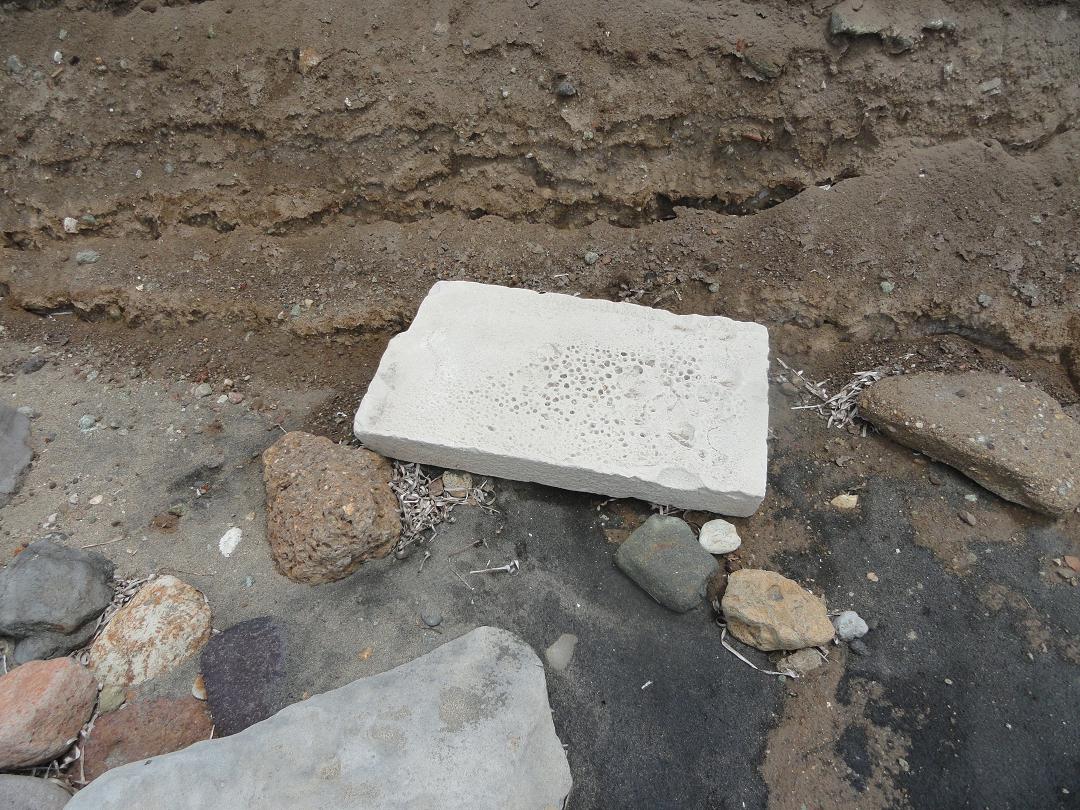
The rest of the island Kimolos is very quiet, although there is a new road between Chora and the northern village Prassa and the southern bathing resort Aliki, where medicinal sulphur spring can be found. Other attractions are a tower and ruined Venetian castle on the highest mountain on the island at 355 meters height and which is easy to reach on foot from Chora (Paliokastro, built by Marco Sanudo). Another attraction are the remnants of the ancient capital on the west near Ellinika Beach, which lie partly in the sea between Kimolos and the opposite islet Agios Andreas. |
 |
 |
 |
 |
 |
 |
 |
 |
 |
 |
|
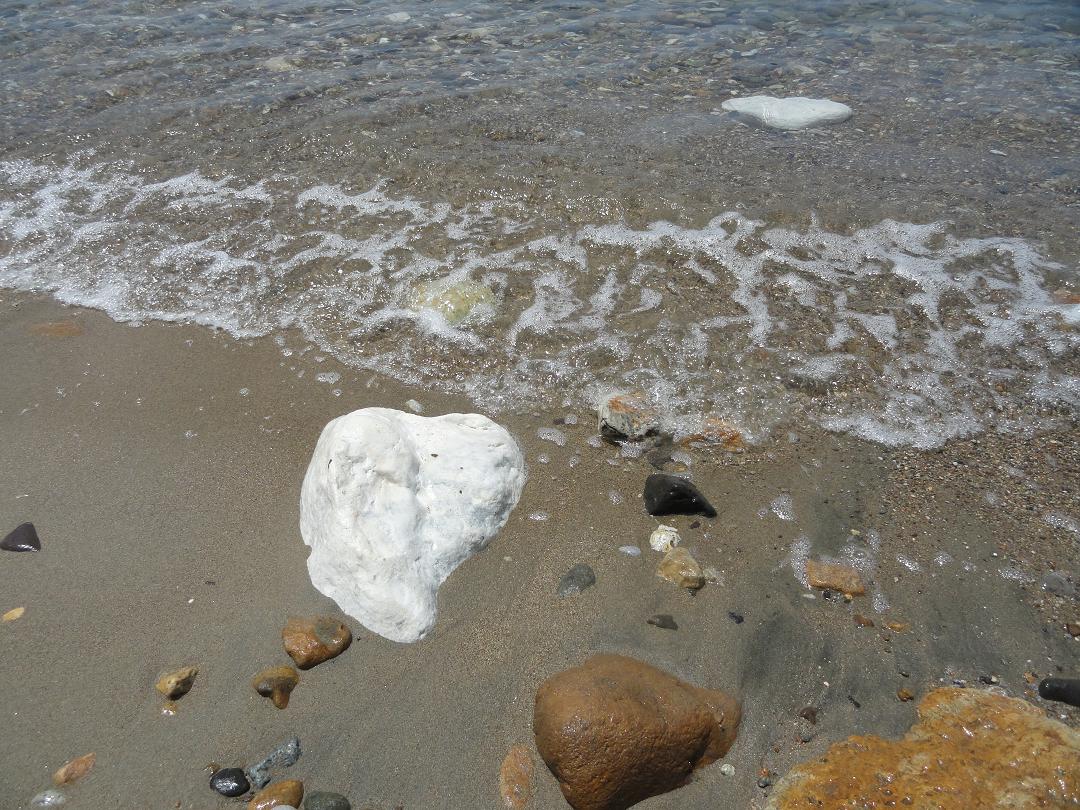
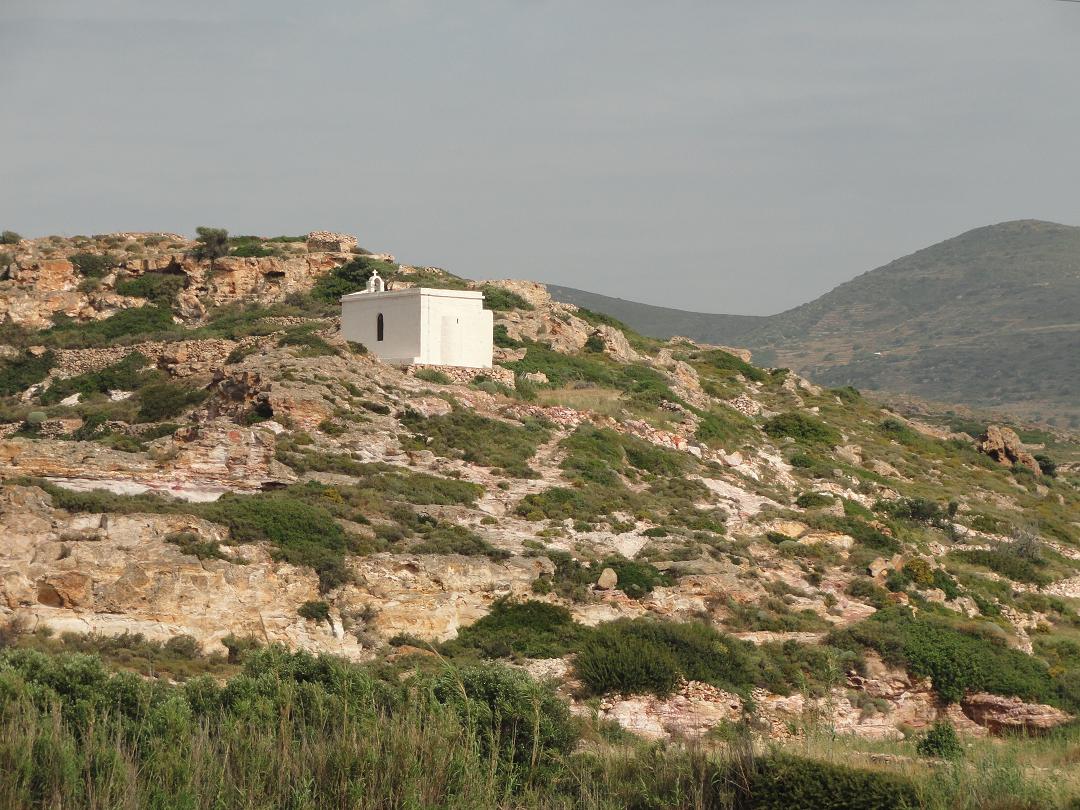
The island of Kimolos was once one with the island of Milos but got separated in an earthquake. The town Ellinika sunk and during archaeological excavations remains from the 8th century have been found where this city once was. The beach of Ellinika can be reached on foot from the port of Psathi in about 60 minutes. This quiet beach is also more or less some sort of an official nudist beach. Near Kambana Beach there are the remnants of a number of Mycenean tombs to be found. Furthermore scattered about the island there are several old churches from the sixteenth century to be discovered. |
 |
 |
 |
 |
 |
 |
 |
 |
 |
 |
| GENERAL INFORMATION ABOUT THE ISLAND OF KIMOLOS IN THE CYCLADES IN GREECE |
|
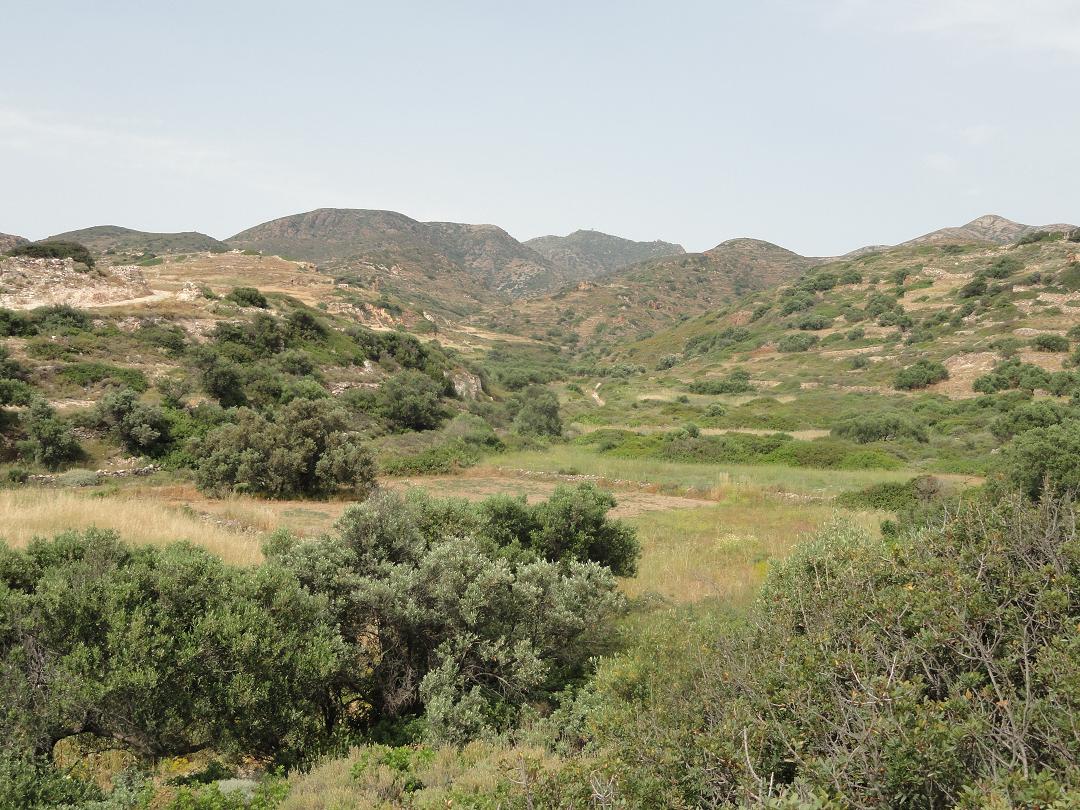
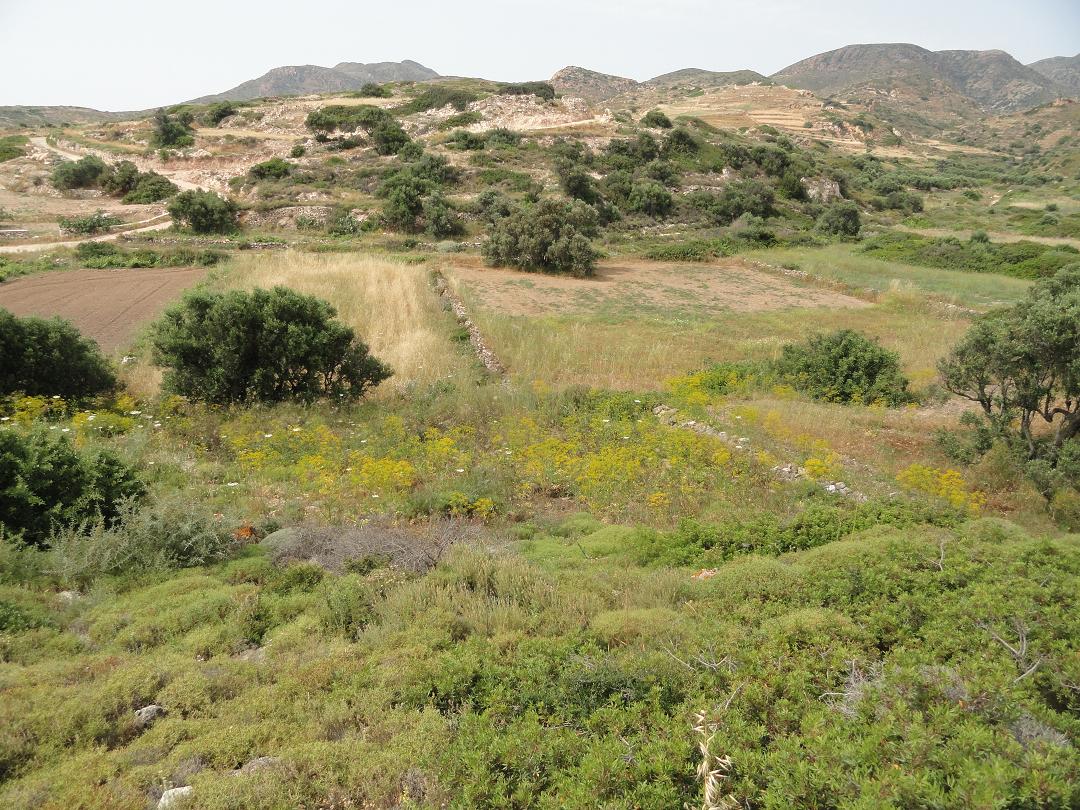
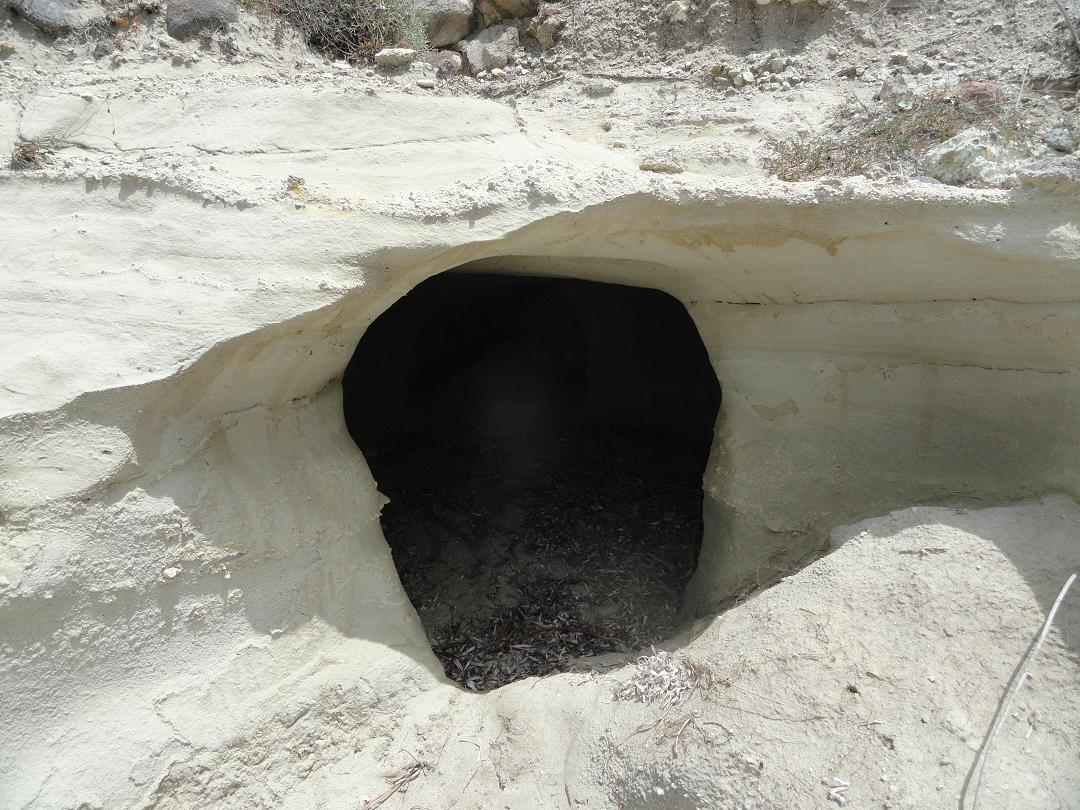
Kimolos is an island that belongs to the Cyclades, a Greek island group located in the Aegean Sea, east of the northern Peloponnese and Crete. Kimolos is located in the so-called "western Cyclades." Kimolos is located just northeast of the island of Milos and southwest of the island of Sifnos. Covering an area of 38 square kilometres, it is a small mountainous island. It is also a relatively dry island with a green plains where farming takes place. Because the island of volcanic origin the land is fertile. The island has many natural caves, such as the Vromolimni cave northeast of Chora, which can be reached on foot. Many of these caves once served as a hide away for pirates. In the year 2000 the island had a population of about 800. |
 |
 |
 |
 |
 |
 |
 |
 |
 |
 |
|
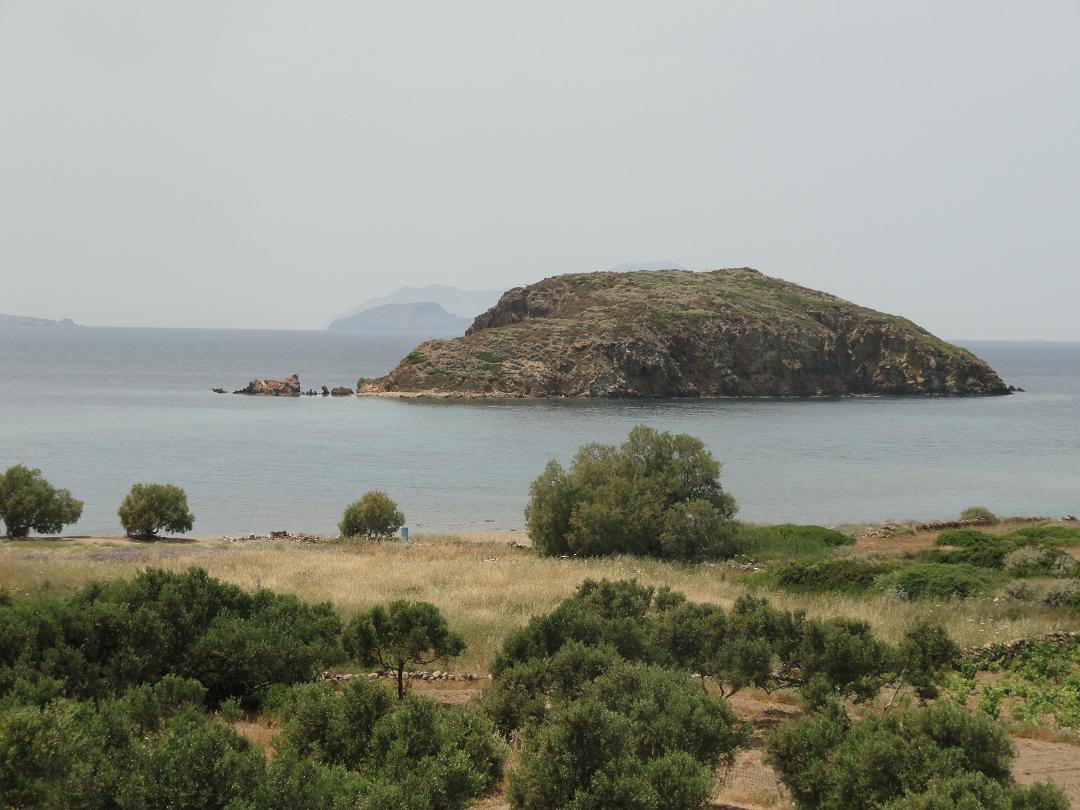
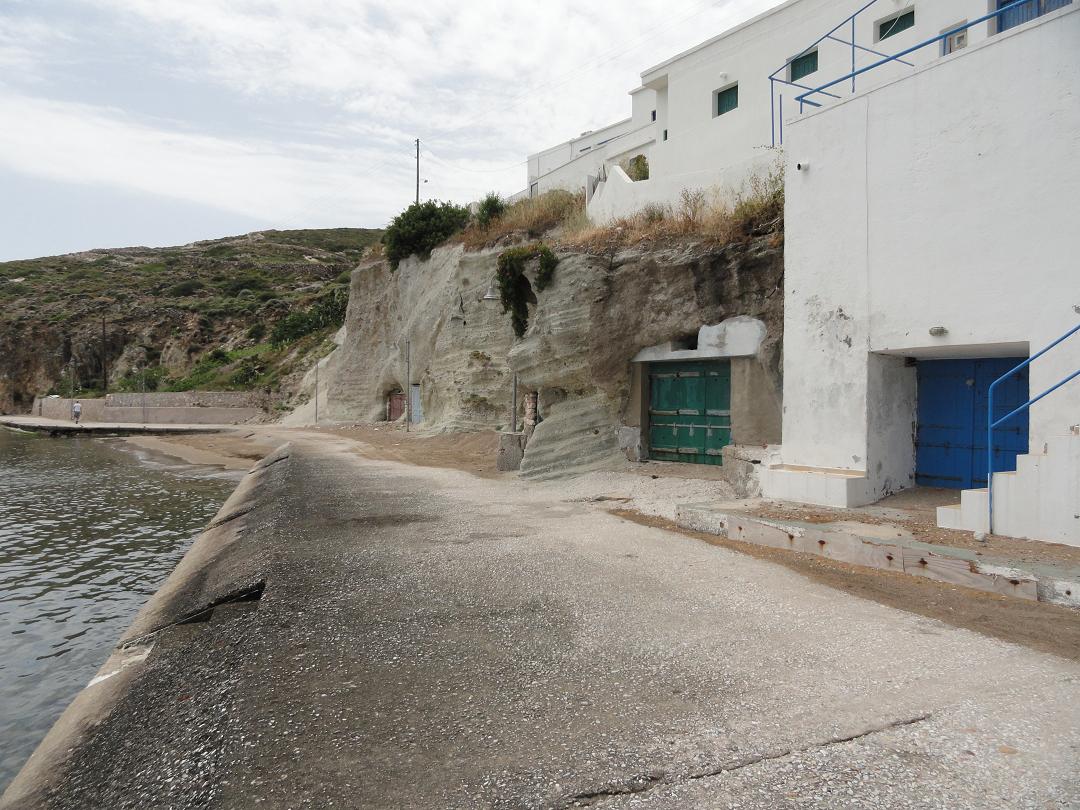
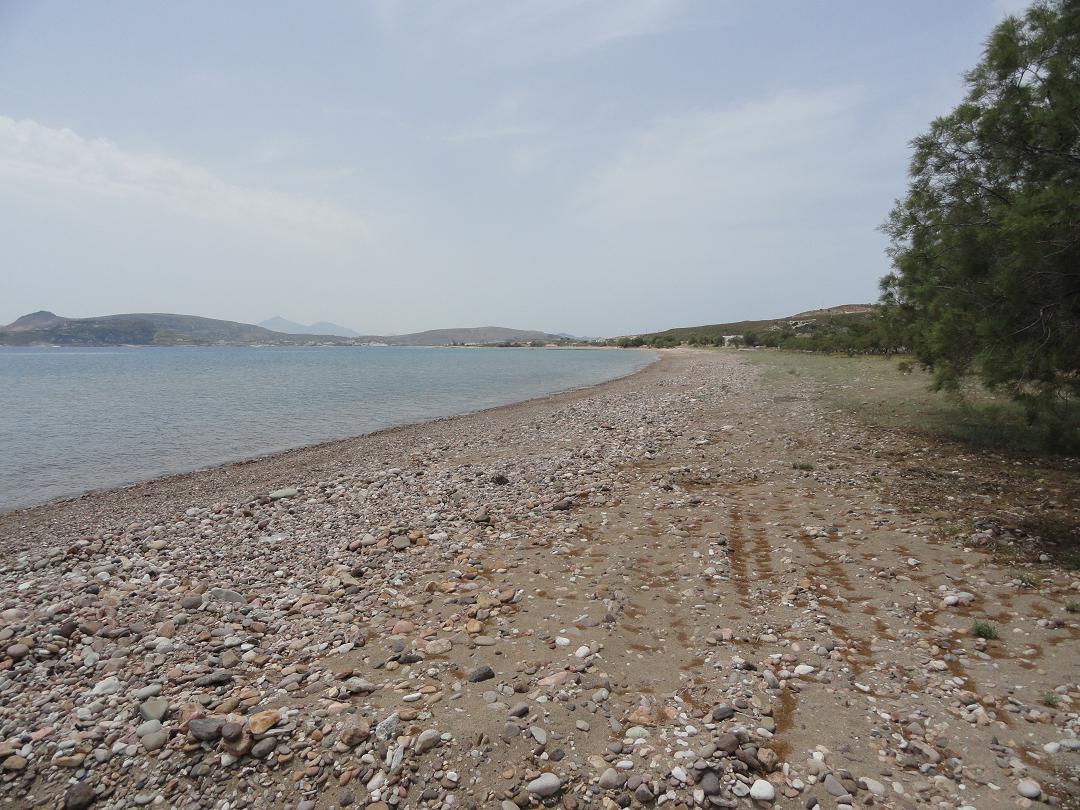
The port of Psathi is located in the southeast of the island, not far from the main place Kimolos (Chora), where 90% of the population lives. It is an island where tourism is less comprehensive than on other islands. The island has sandy and rustic beaches: Prassa and Psathi. To the south and east of Kimolos are three smaller, uninhabited islands: Agios Giorgos, Agios Efthathios and the larger, beautiful Polyaigos. In the Kimolos-Polyaigos area you can find the rare and protected monk seal. |
|
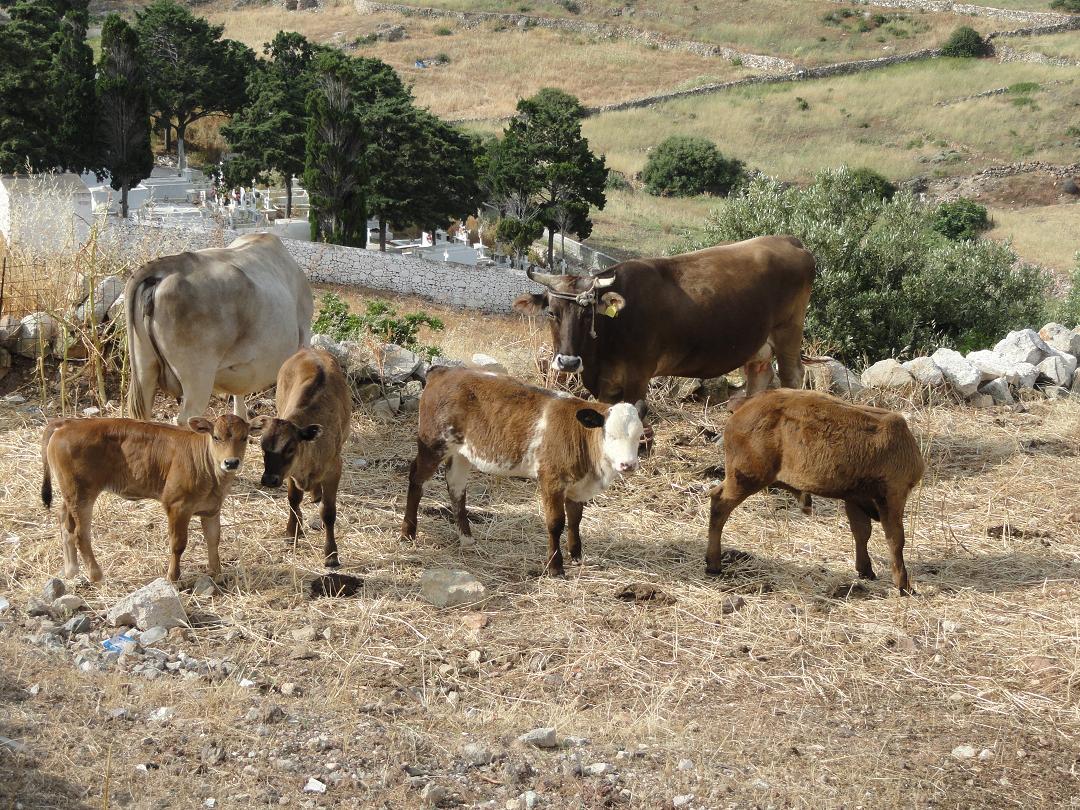
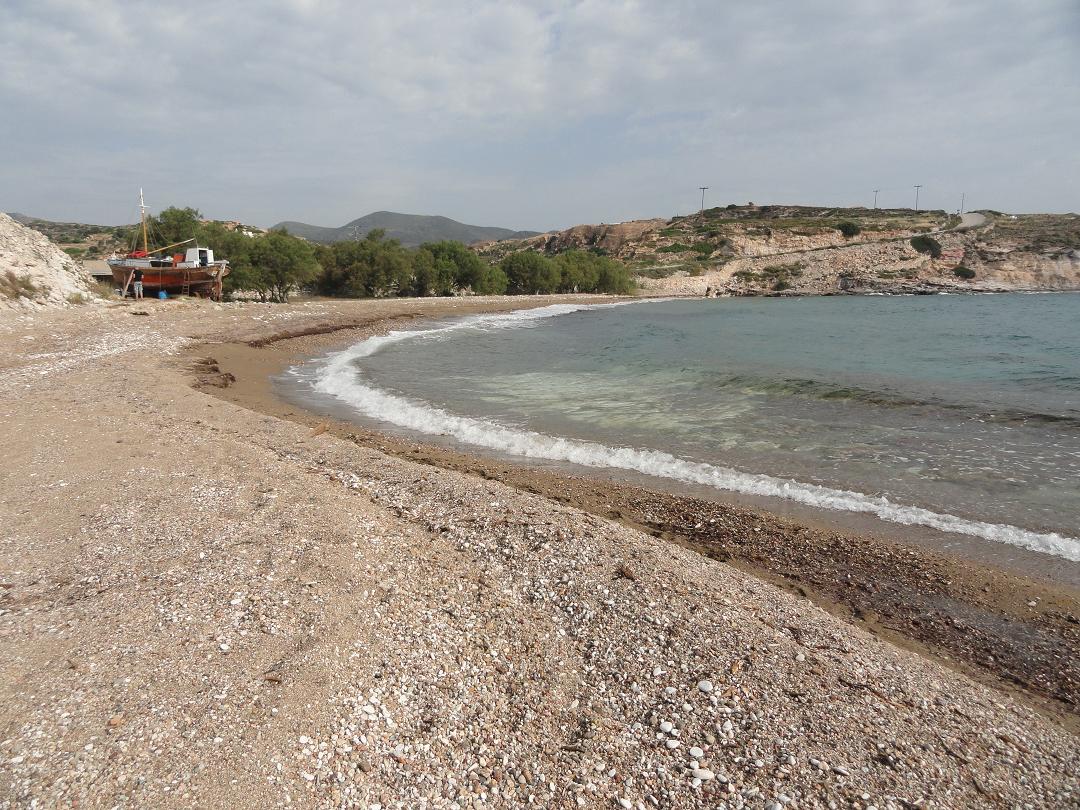
Most inhabitants of the island still live of farming or livestock, some of them are fishermen and there are a large number of people that still live in the still existing mining industry (both on Kimolos as in the nearby island of Milos). Bit by bit, many of the old houses on Kimolos are being restored to help increase tourism. Nearly all the beaches of Kimolos lie on the south / south-east coast where they also are protected against the wind. Most are easily accessible on foot from Psathi. Often the sand has a white or a red color. Aliki, Bonatsa and Kalamitsi have large beaches of golden sand. In the northeast, near a mine, is the beach of Prassa. In the south and east are also the beaches of Agios Georgios, with its white sand and the beaches of Livadaki, Klima, Rema and Psathi (the port). There are also some beaches in the north and west of Kimolos, such as Soufi and Monastiria in the north and Ormos or Athinia and Kastro in the west. If you are walking on the island it is recommended to stay on the footpaths and not walk through the dense bushes because there are quite a few snakes on the island, including a poisonous viper. If you are bitten it is a necessary to have an antidote. Apart from the monk seal there are even more unusual species to be found, such as a golden owl, a sea raven and a rare type of hawk. Many accommodations / hotels are not to be found on Kimolos. Most hotels and rooms are situated in the Chora. |
| THE ISLAND OF POLYAGOS OR POLYAIGOS IN THE CYCLADES IN GREECE |
 |
 |
 |
 |
 |
 |
 |
 |
 |
 |
|
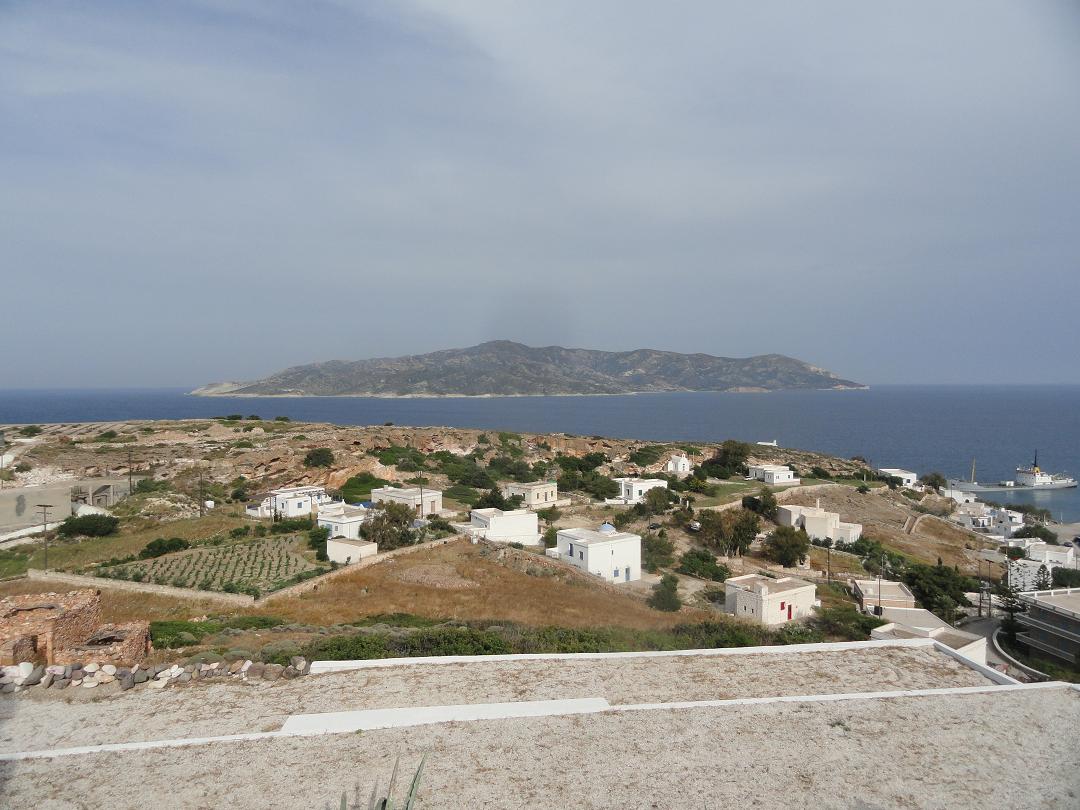
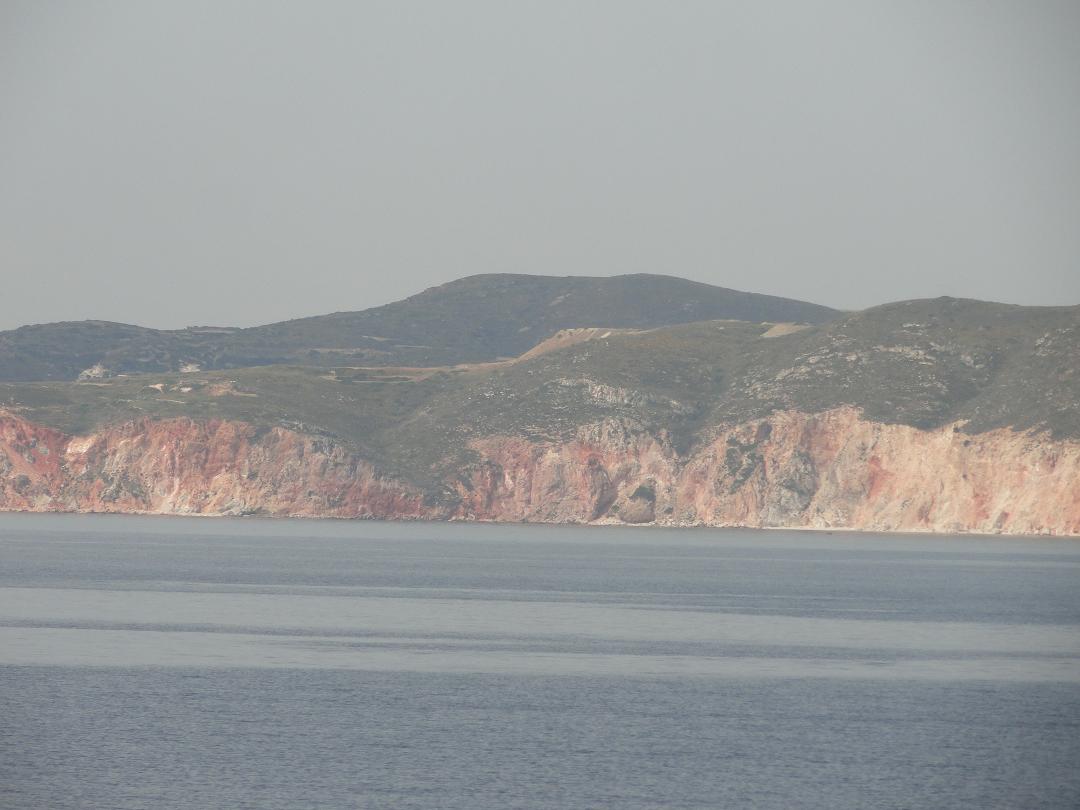
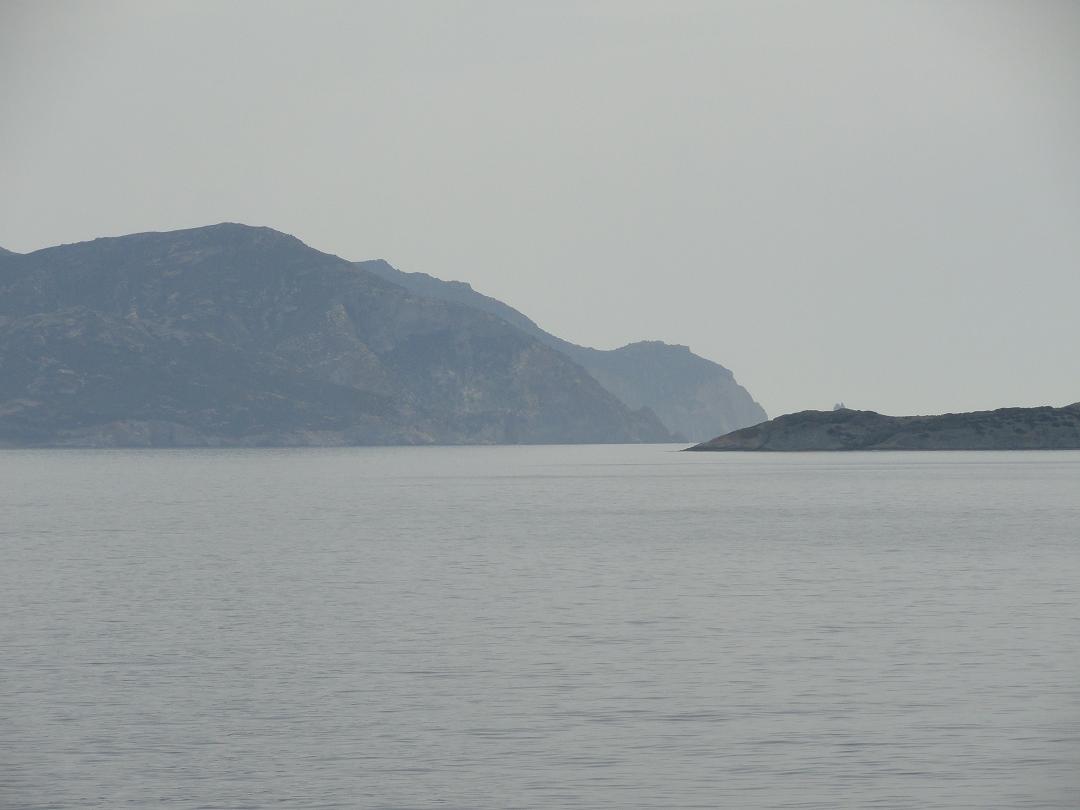
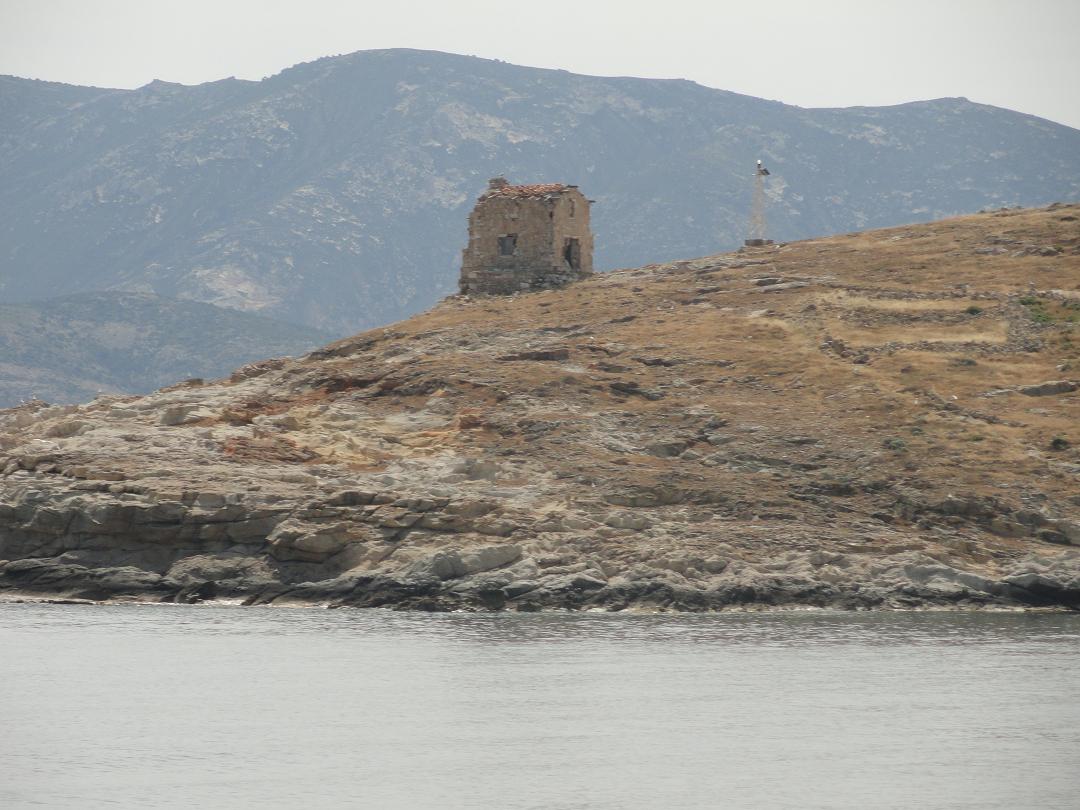
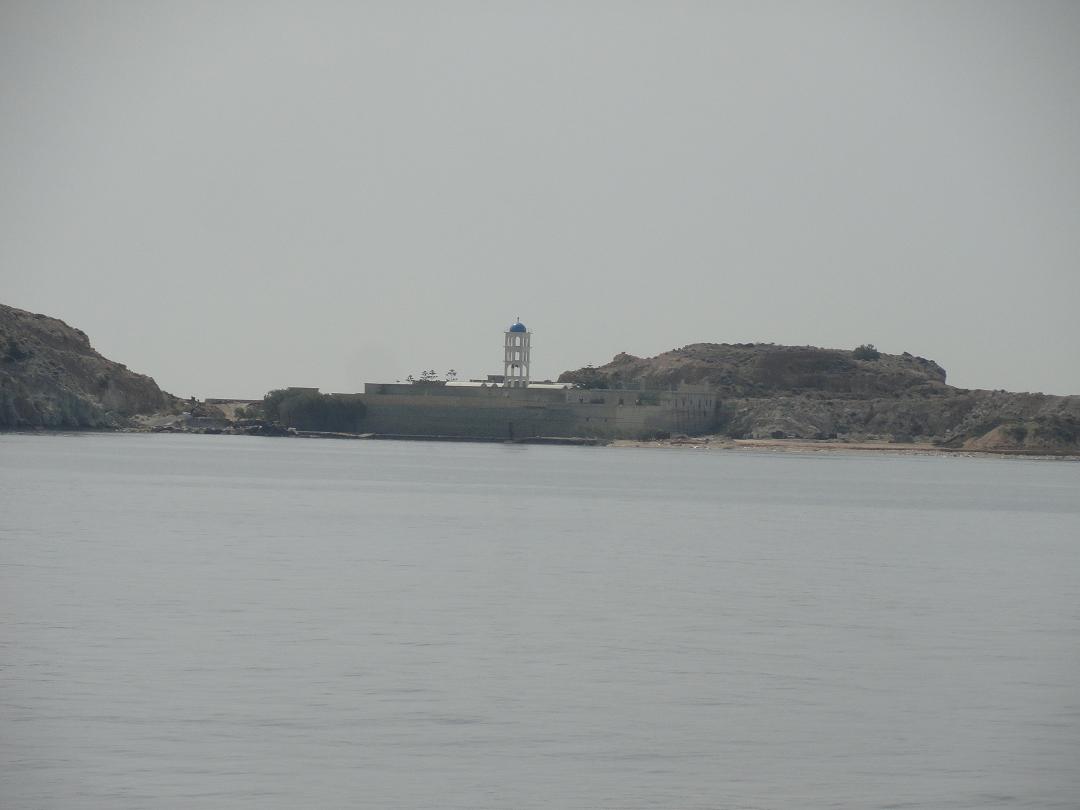
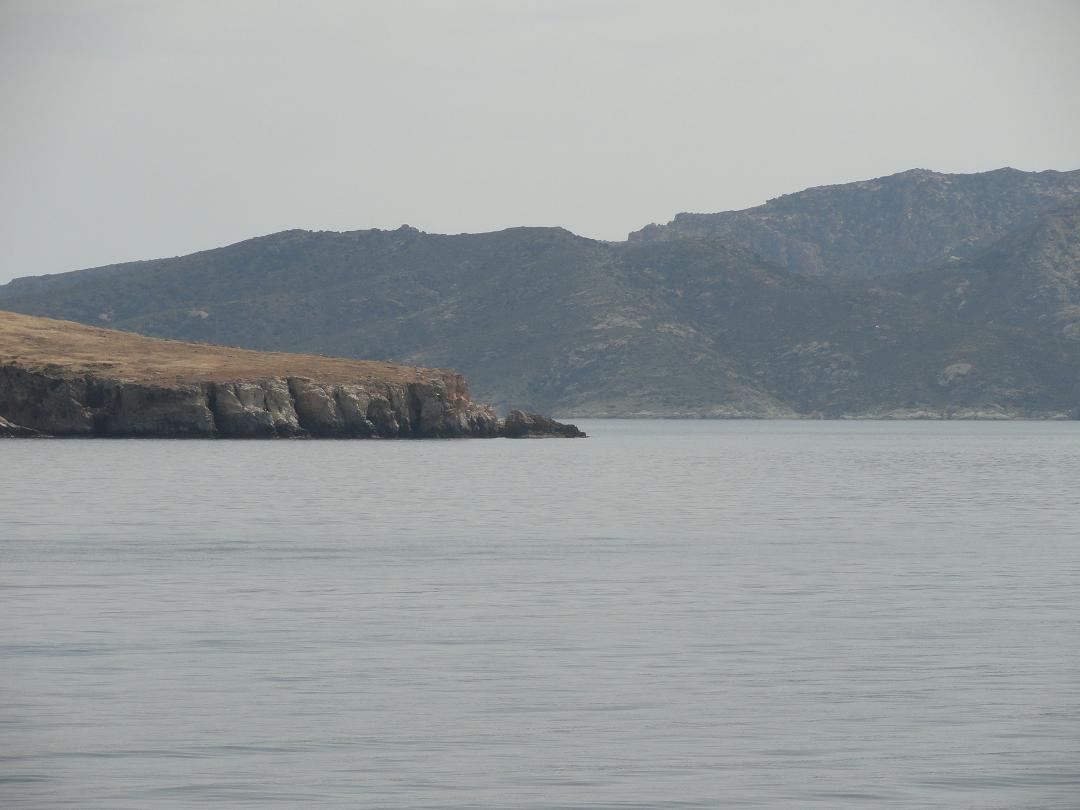
Next to the island of Kimolos you find the uninhabited island of Polyaigos which is 18 km2 in size. The name Polyaigos means "many goats, and these are also the only inhabitants of the island. Polyaigos belongs to the municipality of Kimolos, which is at a 2 km distance. The island has two mountains (Stroggylo 330 meters high and Psilo Vouno 370 meters high). The island is mostly owned by Greek Orthodox church that rents land to shepherds in Milos and Kimolos. Milos is about 6 km away. Polyaigos is a barren island but there are some nice beaches, mainly in the south. On Polyaigos you can also find the rare and protected Mediterranean monk seal. Polyaigos is the largest ununhabited island of Greece and one of the largest uninhabited islands in the Mediterranean Sea. Once the island of Polyaigos was inhabited, but now everybody has left the island. A former small village on the island has become a ruin. There is still a church dedicated to The Virgin Mary which dates from 1622, which was part of a now deserted monastery. There is also a lighthouse on the island (this is automated, so there is no lighthouse keeper). The peace on Polyaigos has ensured that it is now considered the best preserved natural island in the Mediterranean and a number of rare and endangered animals live here, some of which live almost nowhere else (including a viper, a falcon species, various birds). The beautiful unspoilt scenery and beautiful beaches are only accessible to people with a private boat because there are no trips to the island Polyaigos. |
 |
 |
 |
 |
 |
 |
 |
 |
 |
 |
| TRANSPORT - FERRIES TO KIMOLOS ISLAND |
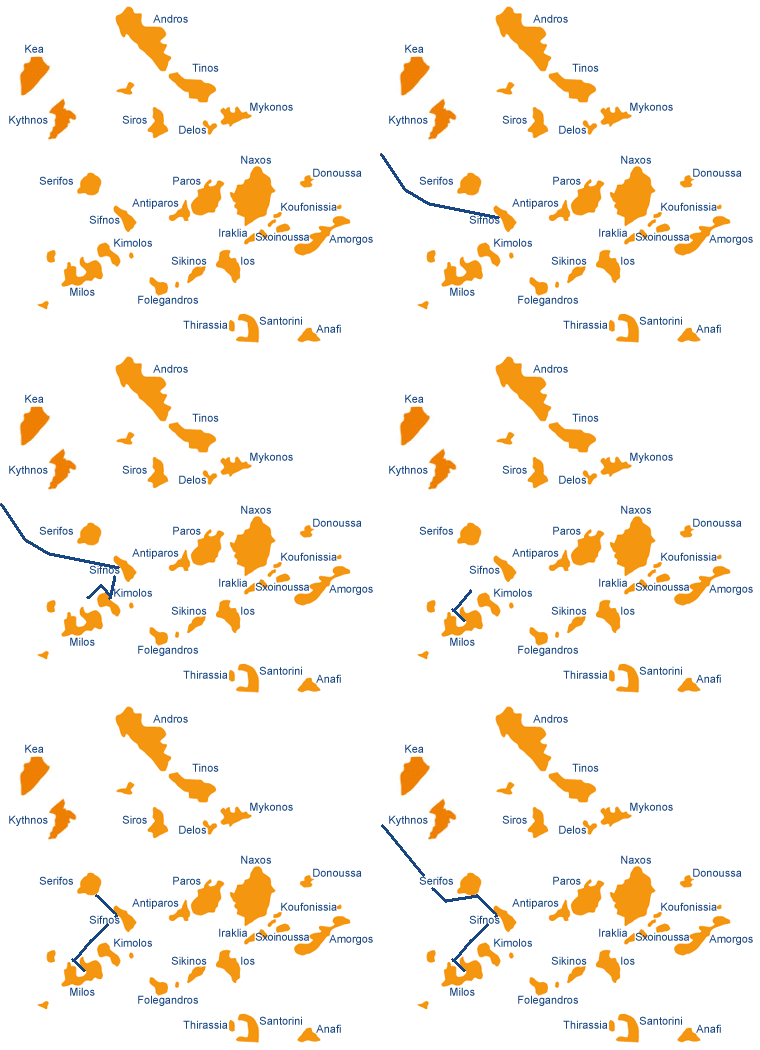

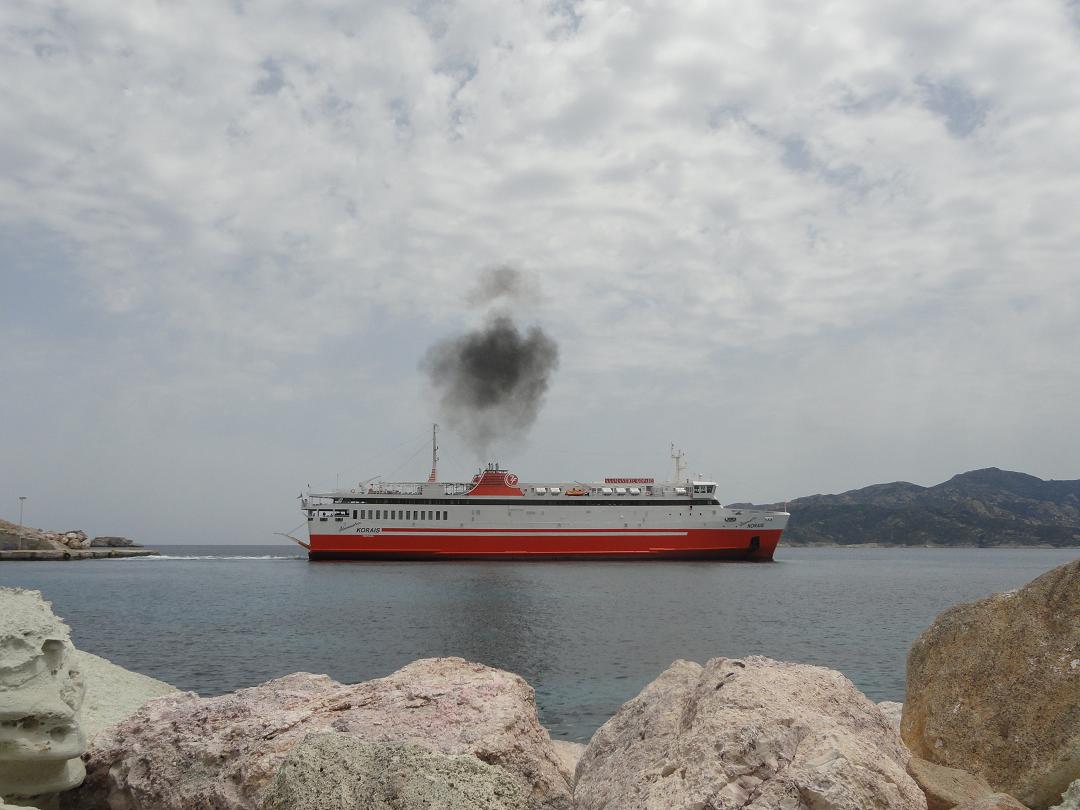
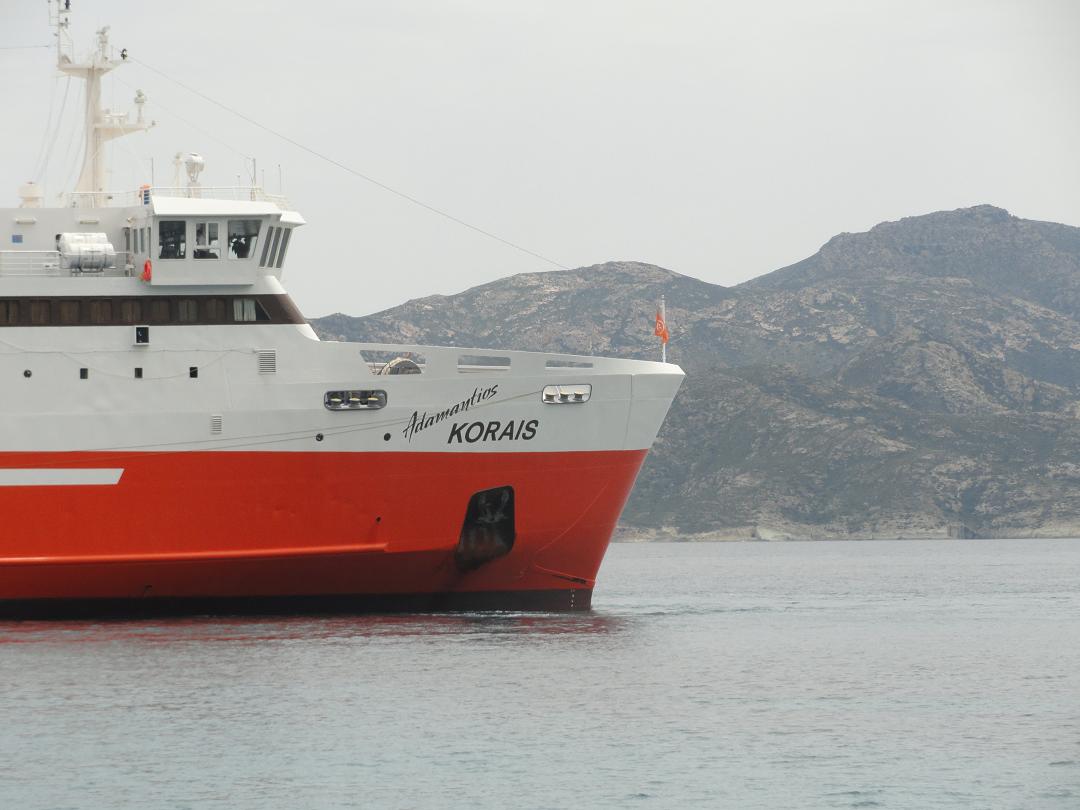
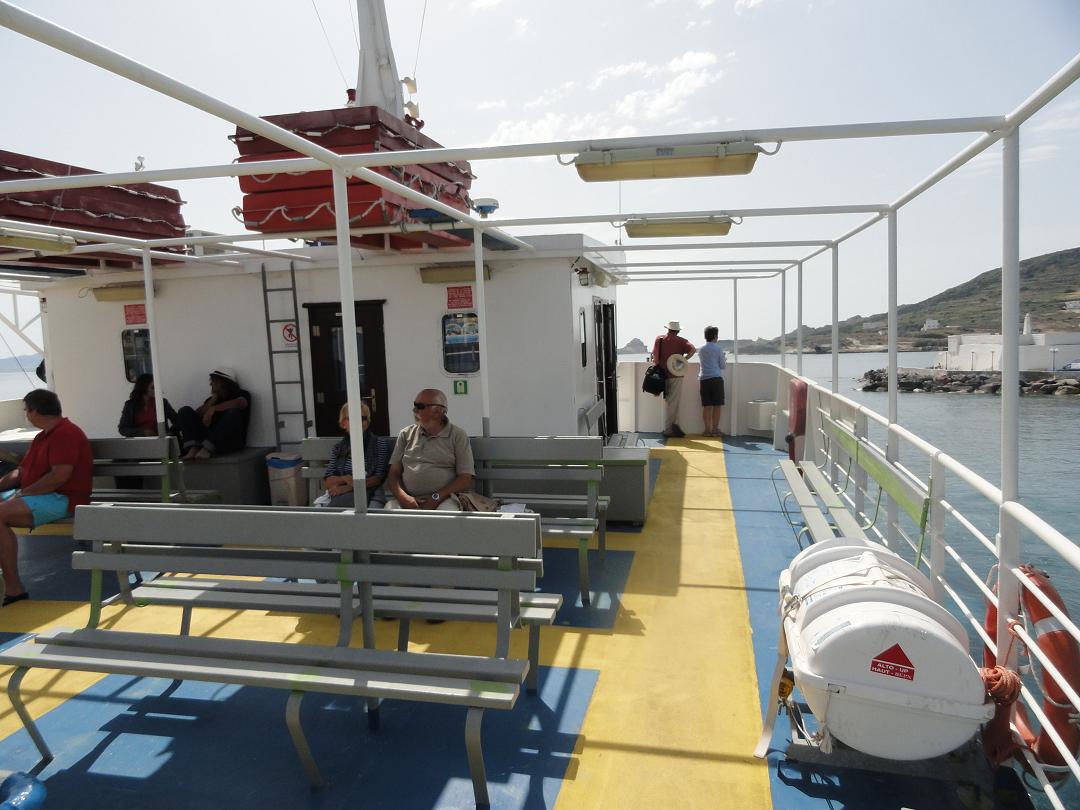
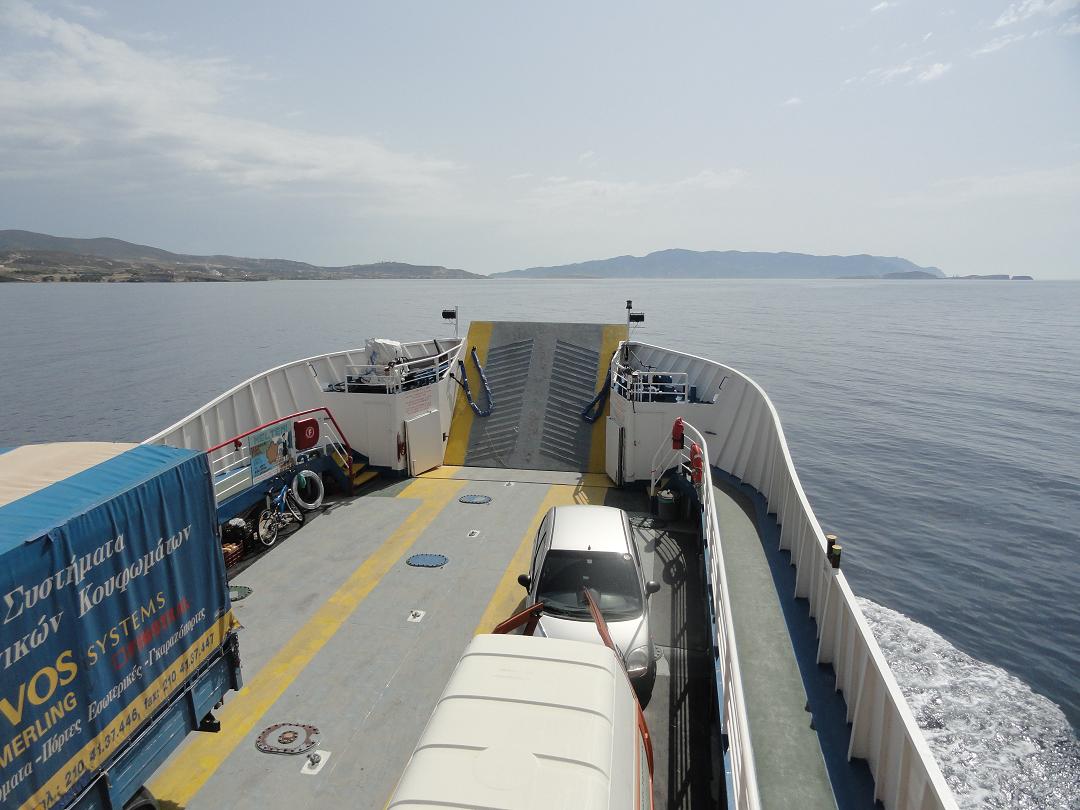
For ferry connections to Kimolos check the website of Aegean Speed Lines. Their fast ferry connects Piraeus (Athens) with the island of Kimolos. The trip takes about 3 and half hours (see picture left). Ventouris Sea Lines has a normal, slower ferry in the western Cyclades. This tour lasts much longer (about six and half hours) and the islands of Kythnos and Serifos are also called upon. GA Ferries too goes from Piraeus to the island of Kimolos but this tour lasts even longer because except that more islands are visited after Sifnos it first goes to Milos and then to Kimolos. NEL-Lesvos Maritime connects Kimolos with the islands of Syros and Paros in the central Cyclades. Its route is Syros - Paros - Serifos - Sifnos - Kimolos - Milos and back, but on other days many more islands (for example, Folegandros, Kea and Kythnos and to Piraeus / Athens) are called upon. For the correct days and time of departure go to the website of the ferry companies. Depending on the period in which you are travelling, high season or low season, the number of connections also vary. If you are checking very early in the season if there is a ferry from A to B it may also be that the schedules have not yet been approved and released. Then can try again later. If you have booked a hotel in advance than the owner usually even knows better. Most hotels have contact with the port authorities and they can give you a travel advice. You can check the times and prices and if you like you can book a ticket ahead on the site of Ferries in Greece. Especially if you want to be on a superfast ferry during the high season this could be a good plan. |
| RESTAURANTS ON THE ISLAND OF KIMOLOS IN THE CYCLADES IN GREECE |
|
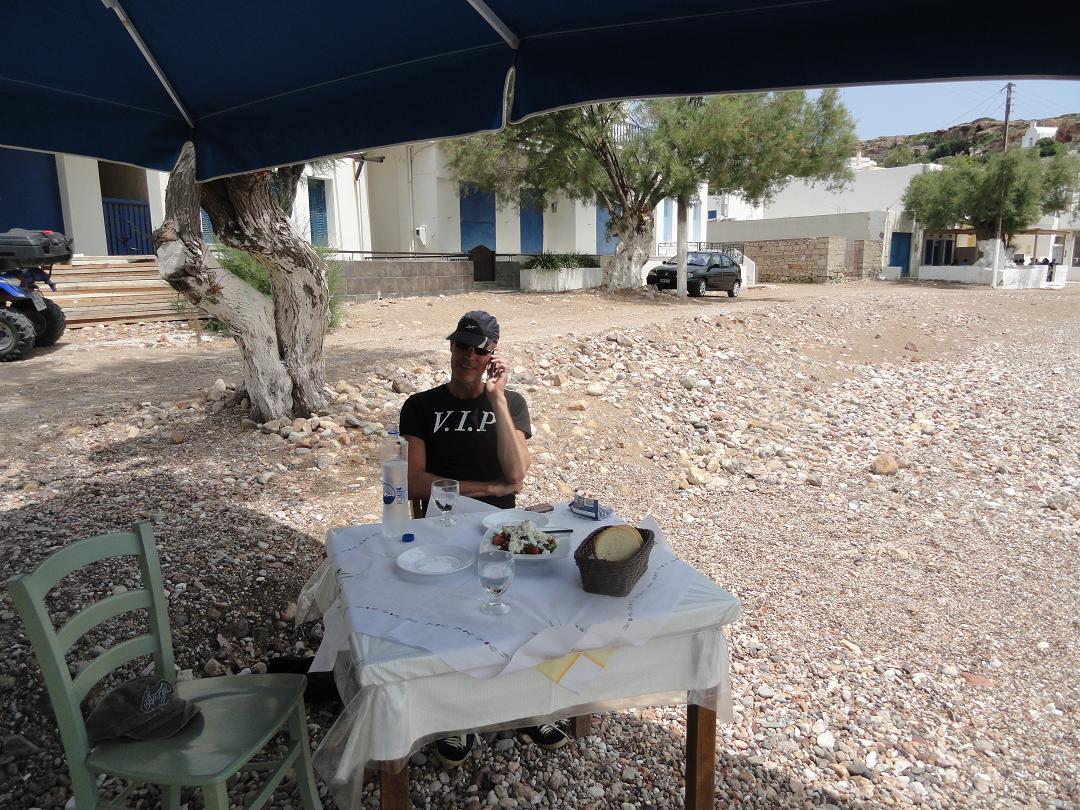
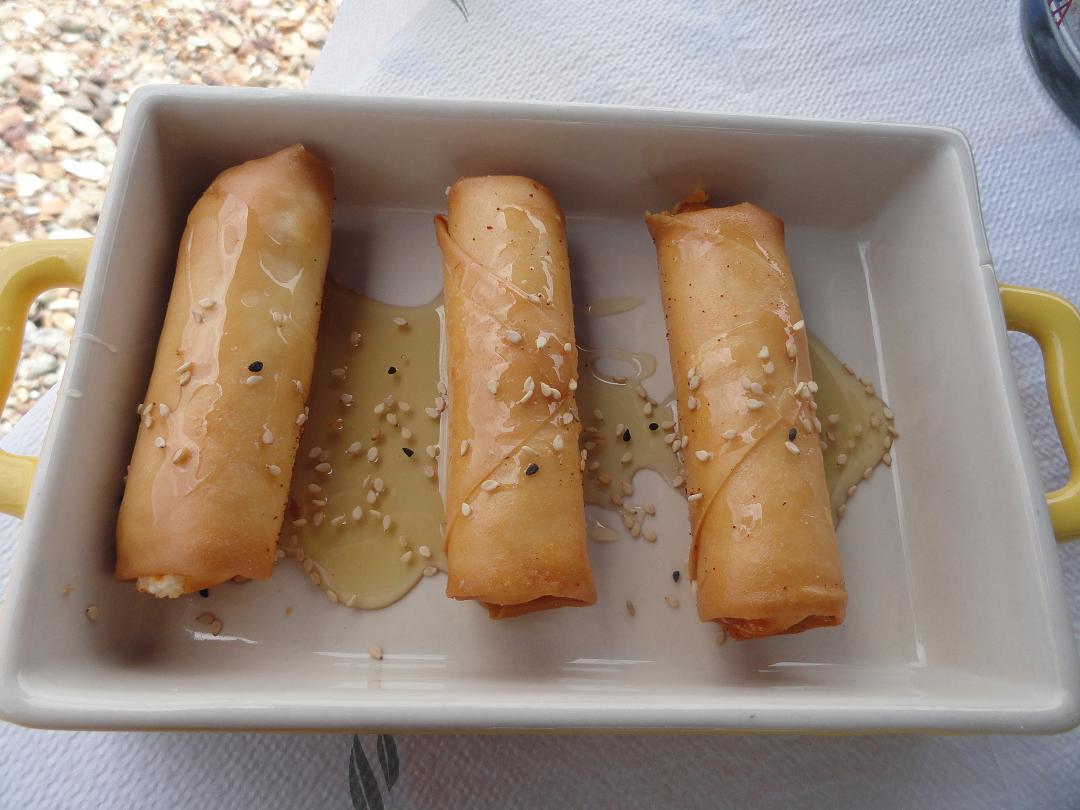
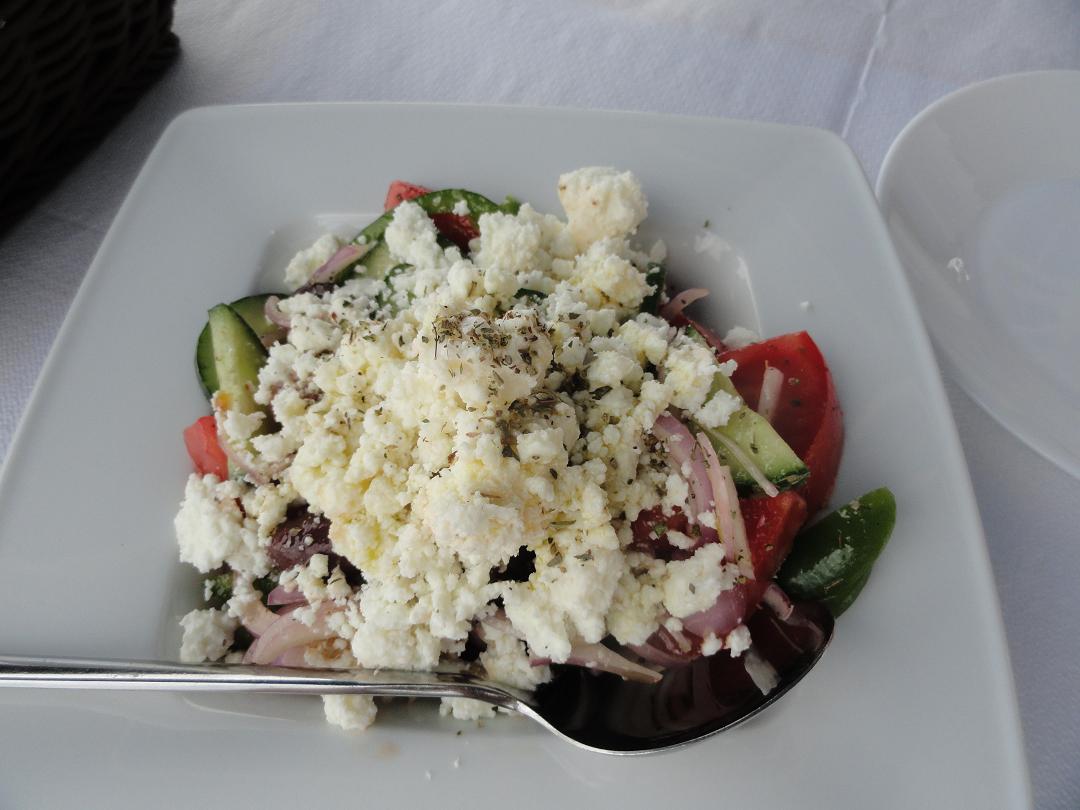
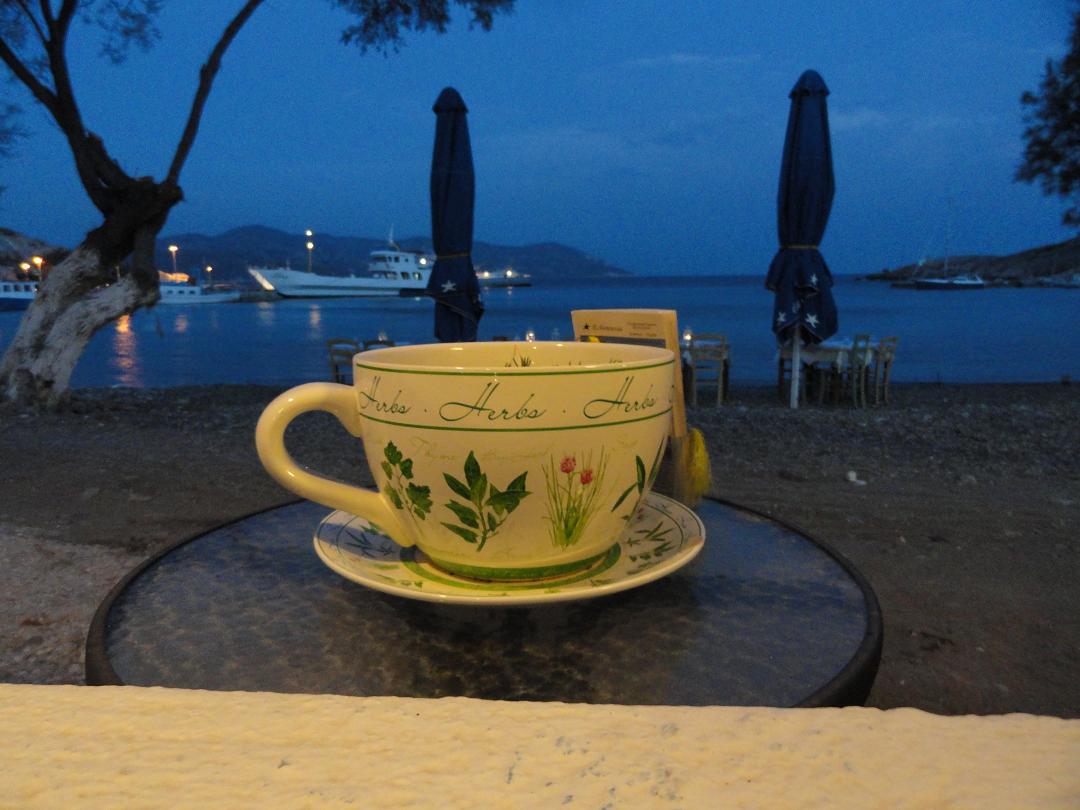
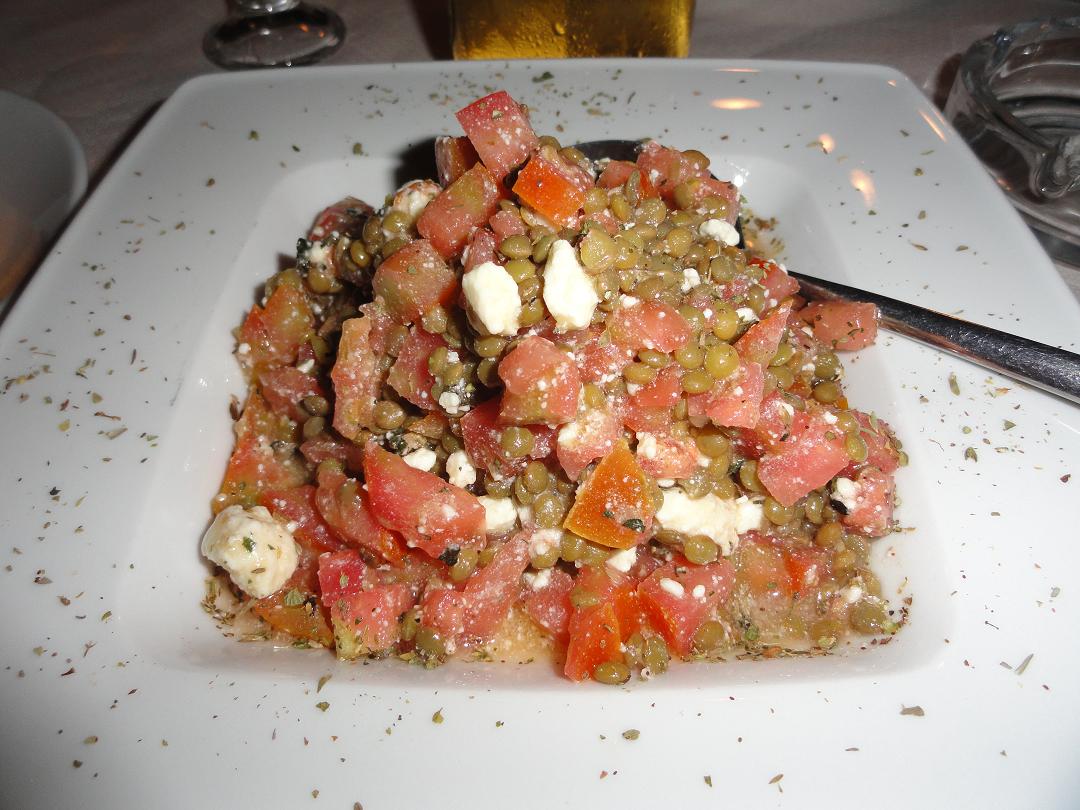
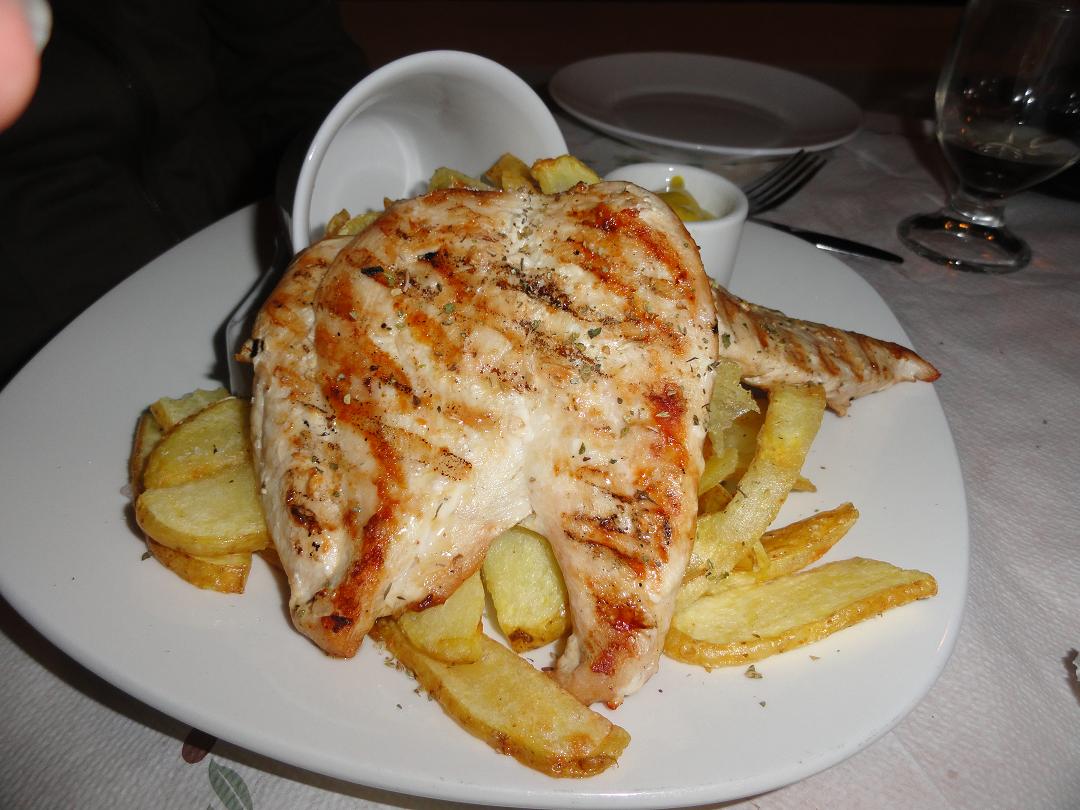
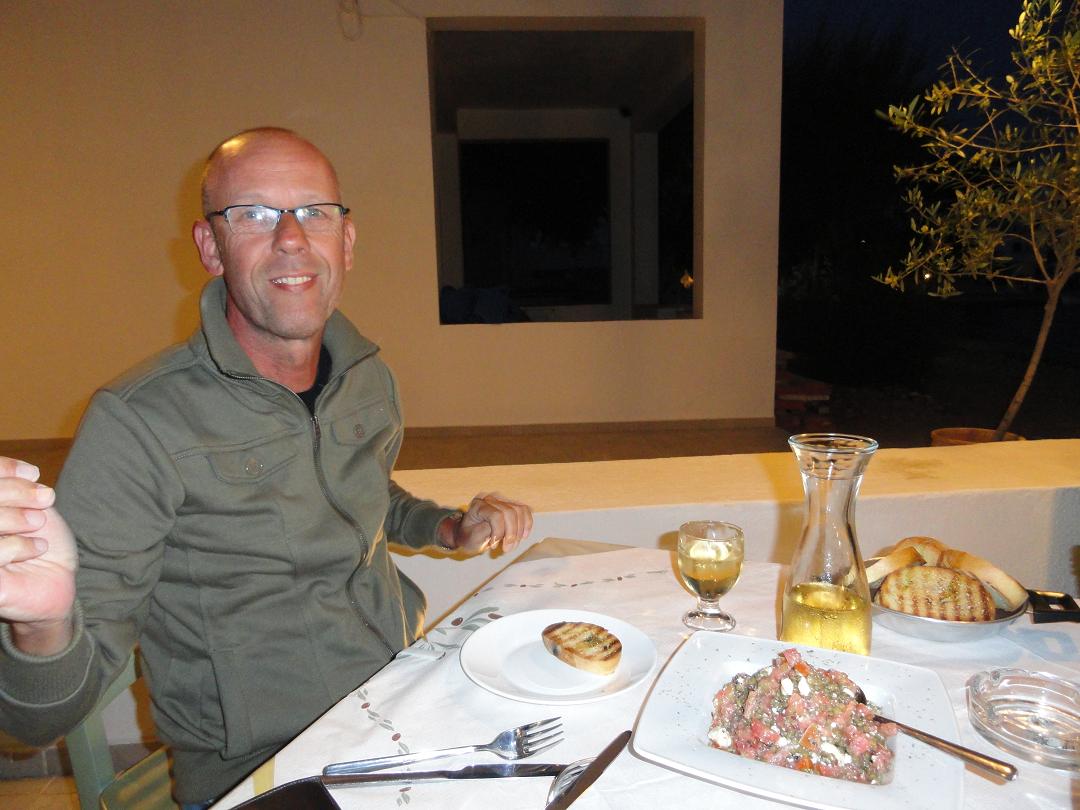
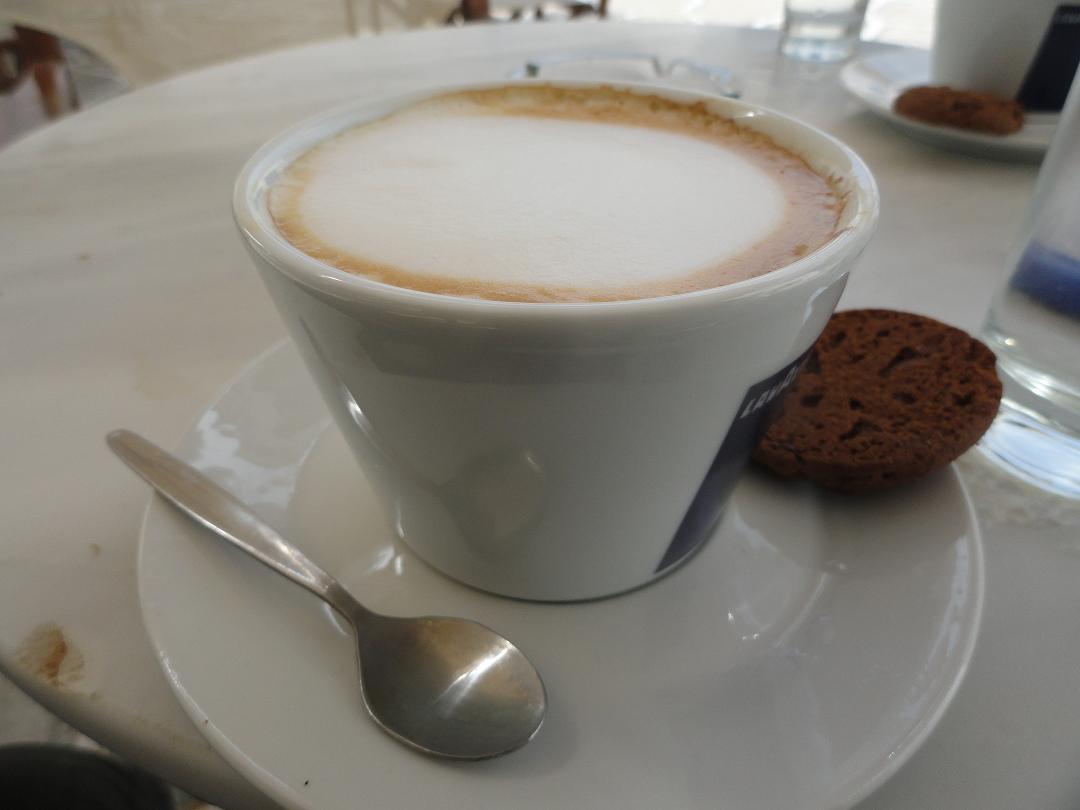
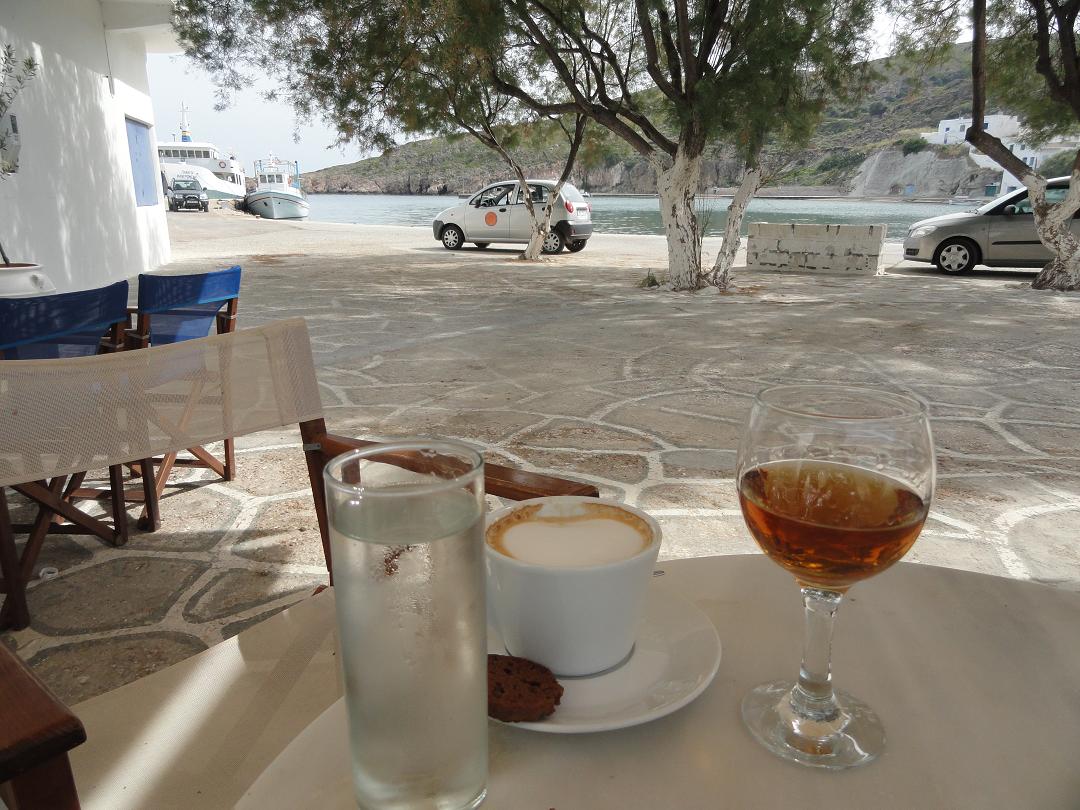
You might think that eating in such a small non touristy island will not make much of an impression, but the opposite is true. We have had really great food here and drank lovely coffee with a metaxa. No cucumbers and tomatoes or a cup of nescafe, but beautiful dishes and delicious fresh coffee. |
 |
 |
 |
 |
 |
 |
 |
 |
 |
 |
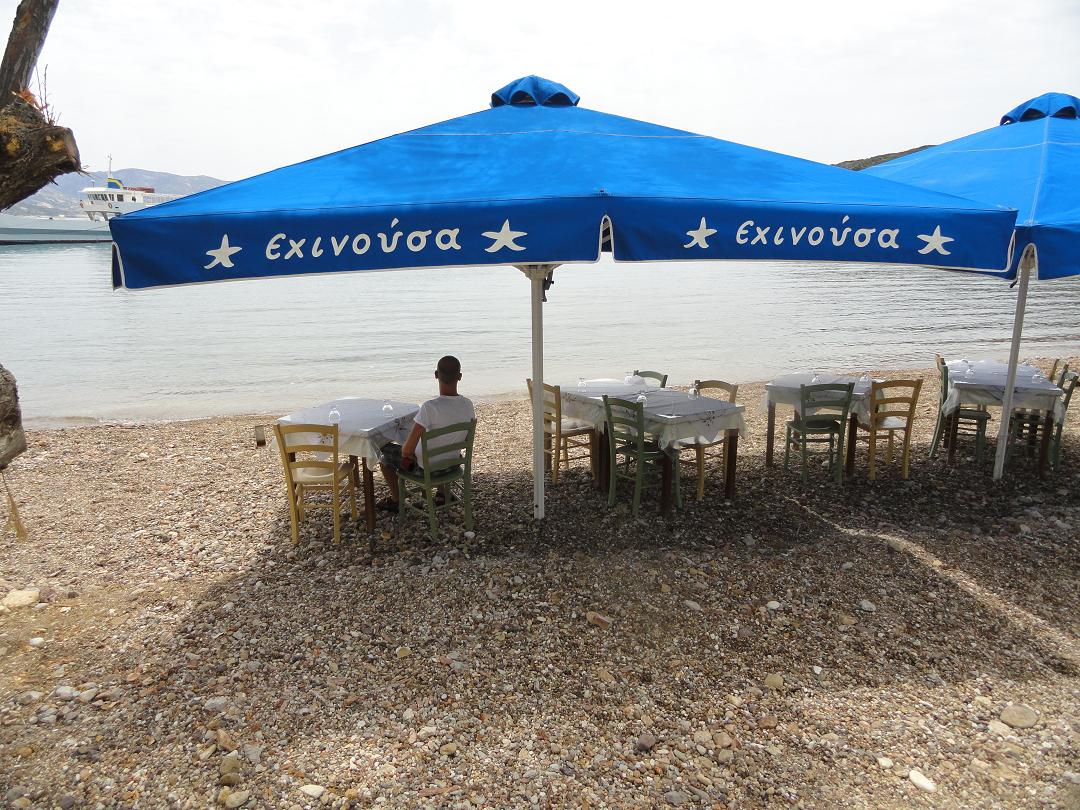
| Echinoussa Tavern Restaurant - Kimolos, Psathi |
|
Taverna on the beach in the harbor of Psathi, where the ferries arrive as well. It is run by Panagiotis and Fotis the cook. The staff is extremely friendly and when the cook hears that we just landed on Kimolos, he brings us a map of the island. The food is original and absolutely delicious. Fotis is a cook with a diploma and makes something special of it. When later in the day we are chilling in the coffee bar of the harbor a little further down, Panagiotis secretly pays for our coffee. In the evening we went back to the same restaurant. Very good. Our verdict: very, very good: a 10 out of 10. |
 |
 |
 |
 |
 |
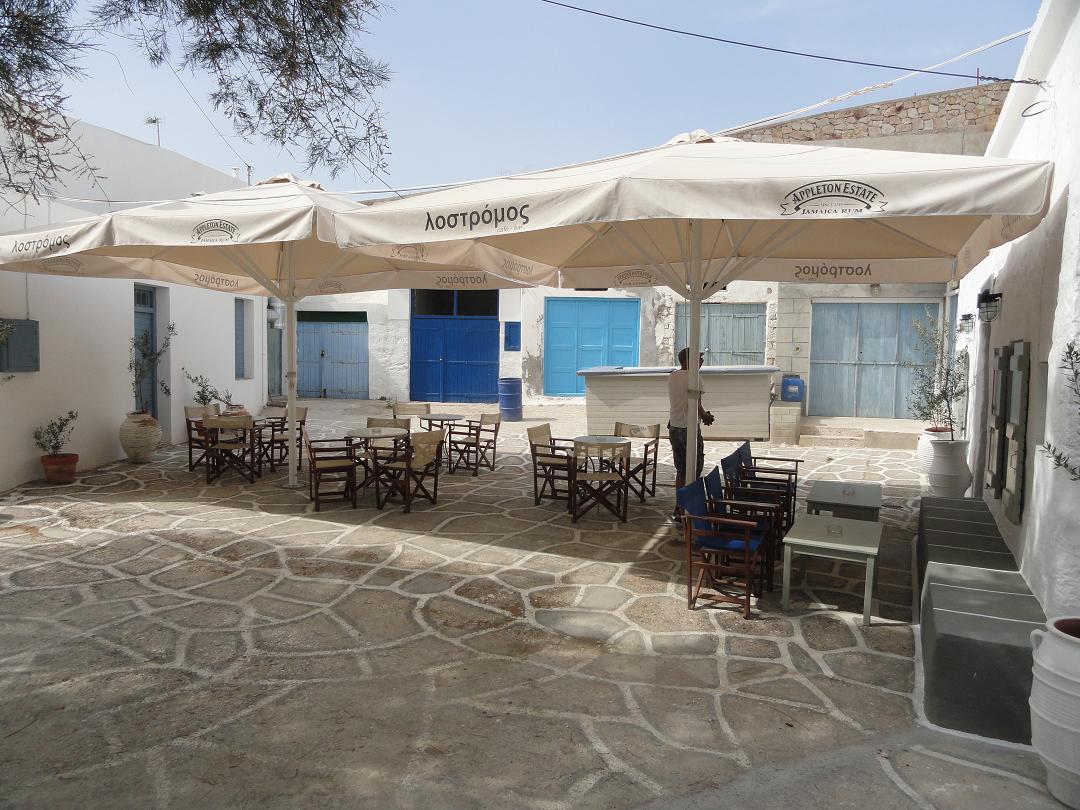
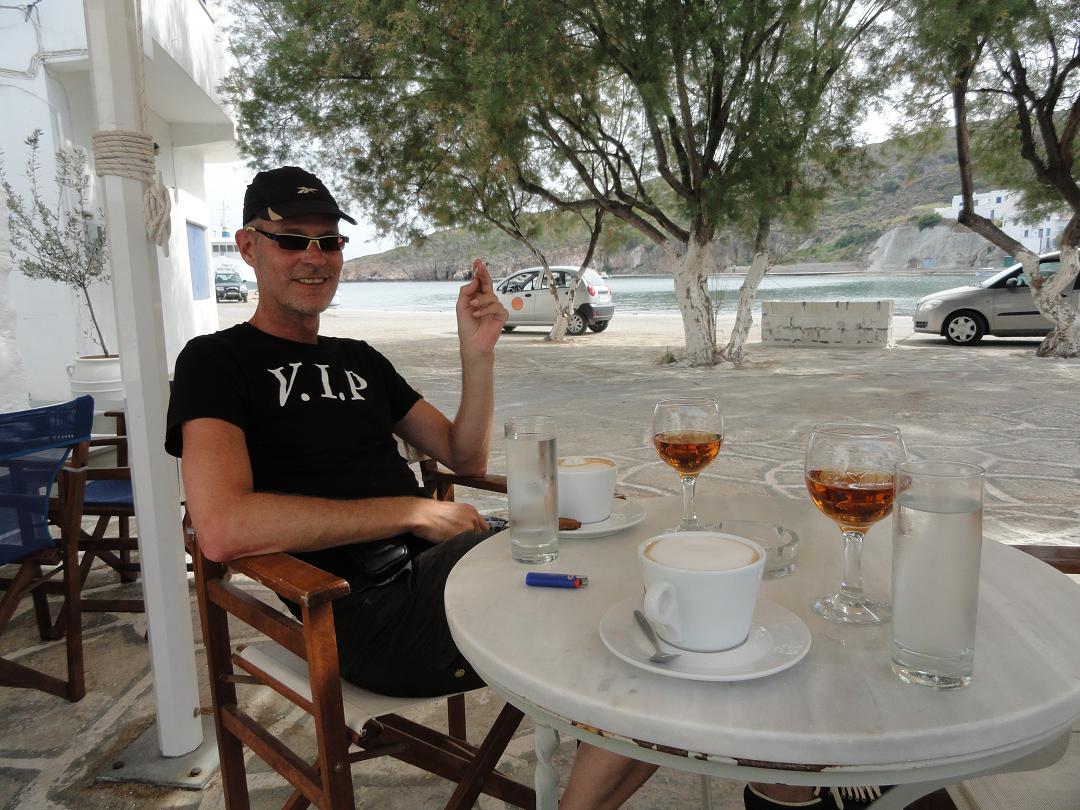
| The café bar in the port - Kimolos, Psathi |
|
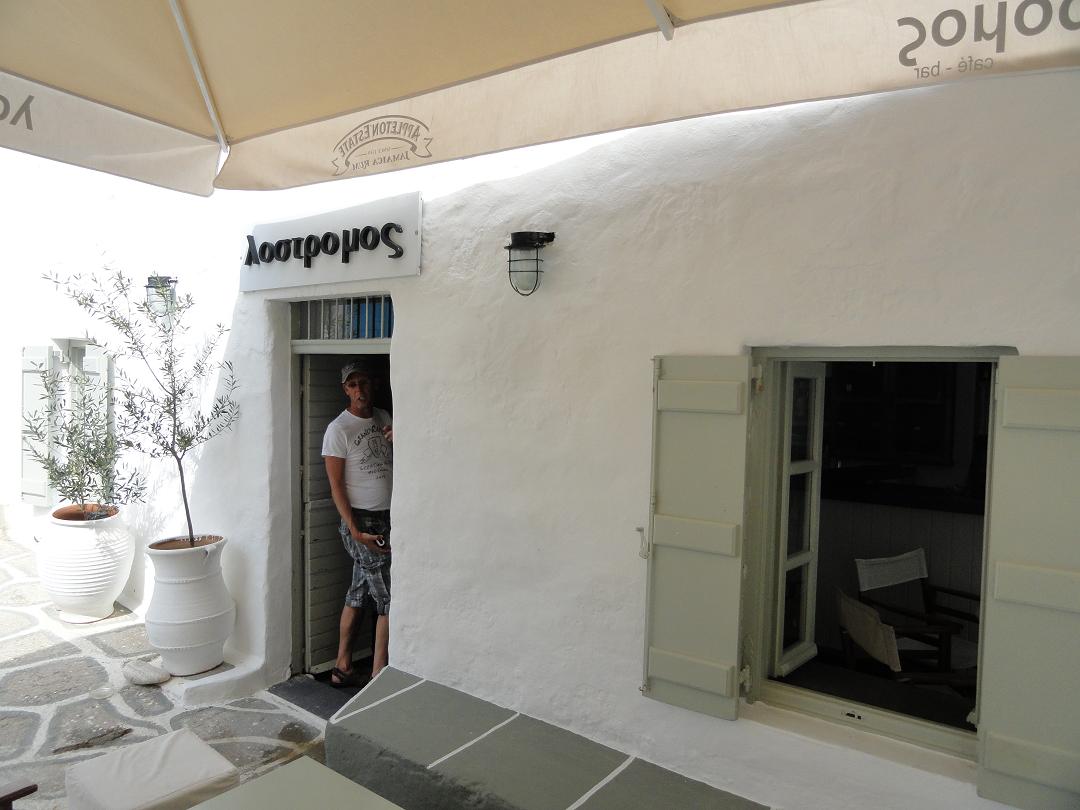
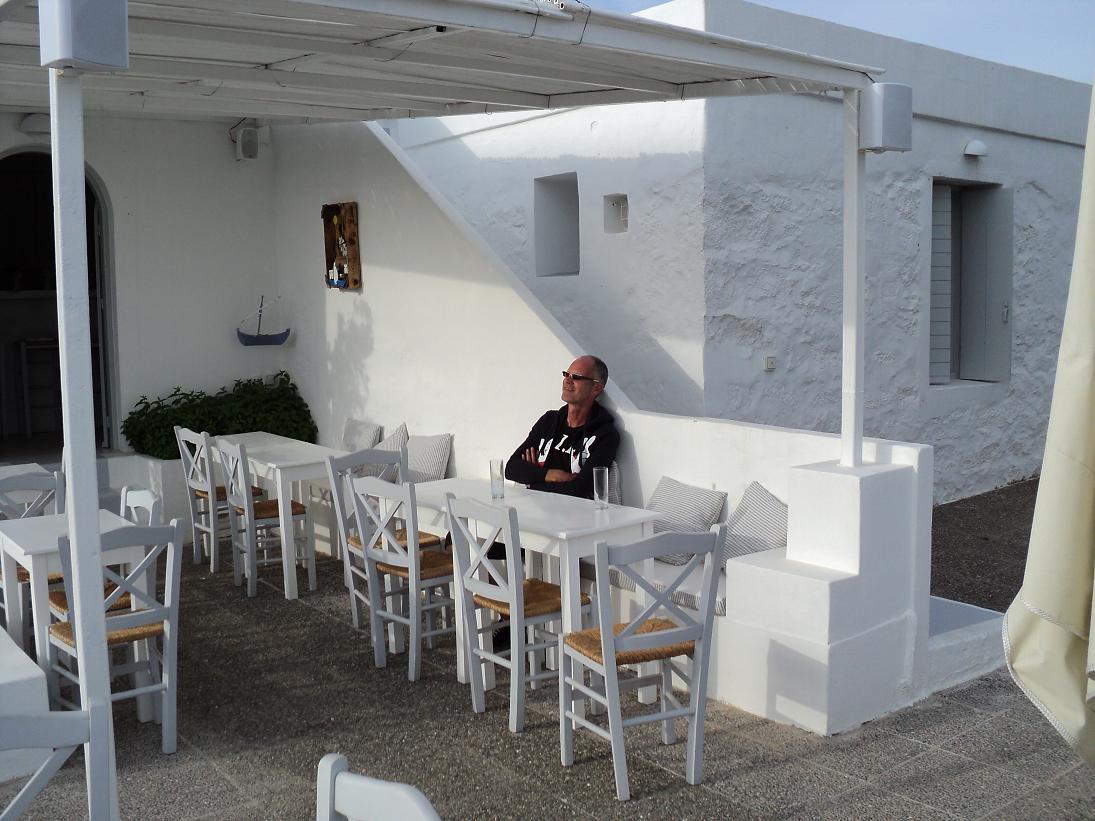
Well, nothing negative to say about this one as well: comfortable seats, nice music, delicious coffee, large glasses of metaxa: enjoy.... Our verdict: very good: a 9 out of 10. |
 |
 |
 |
 |
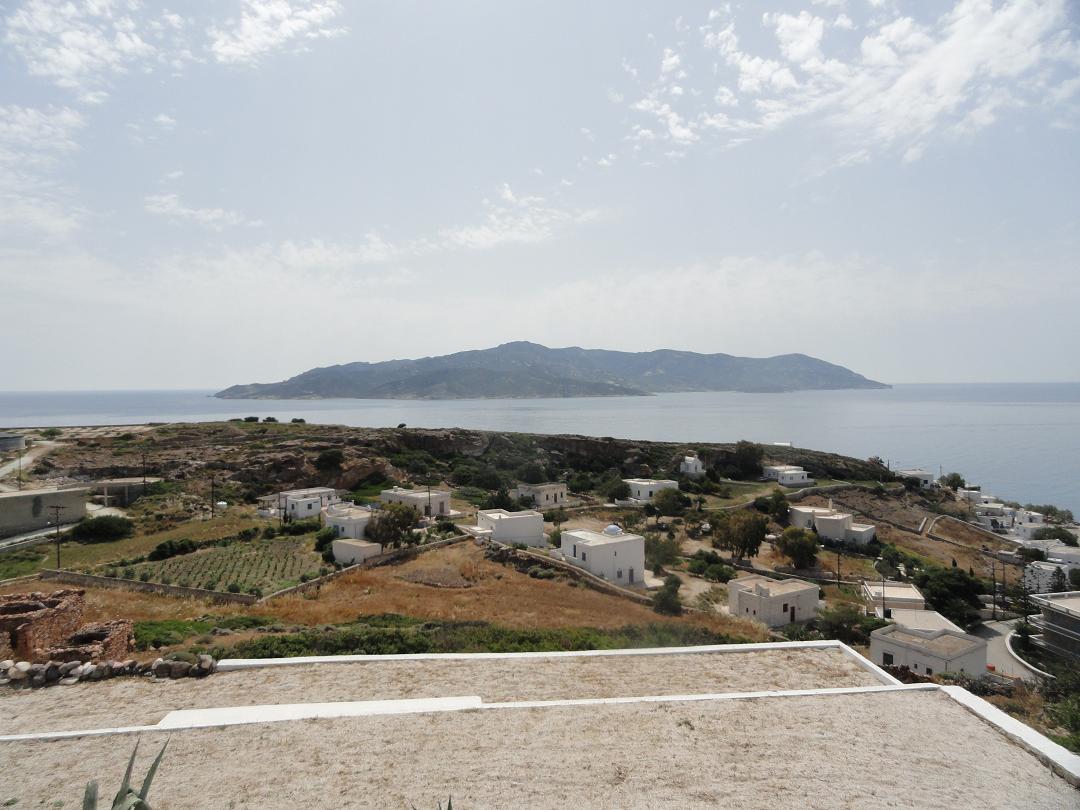 |
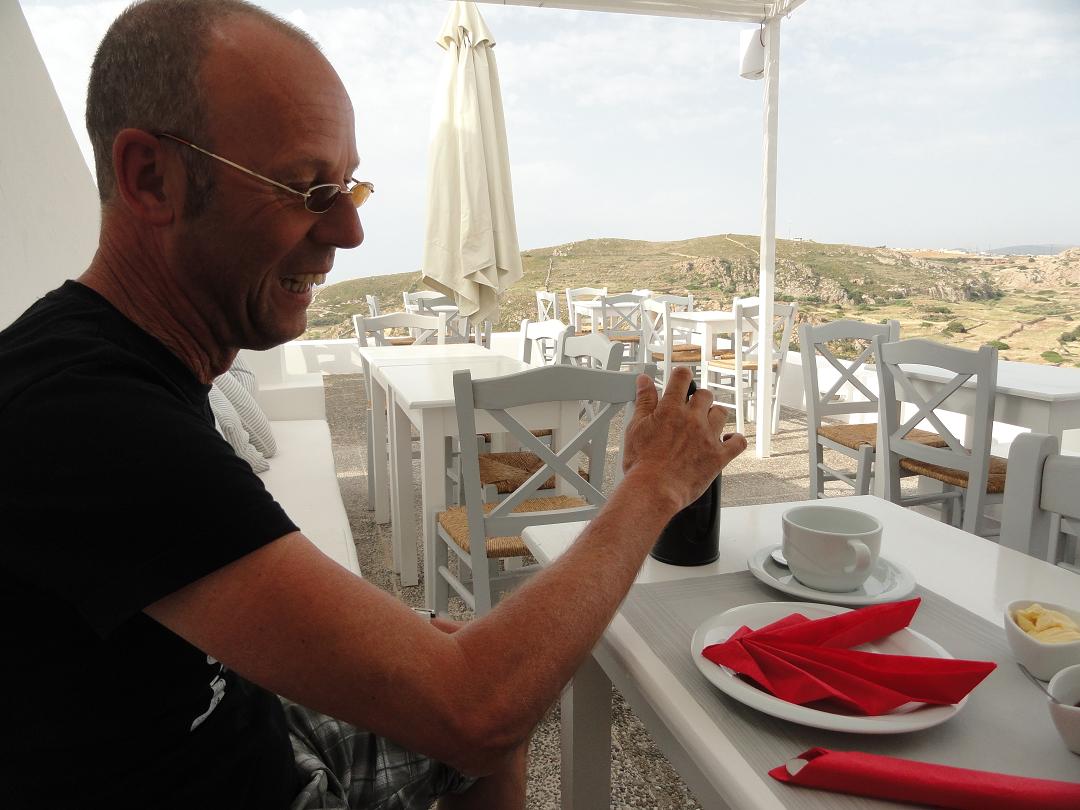
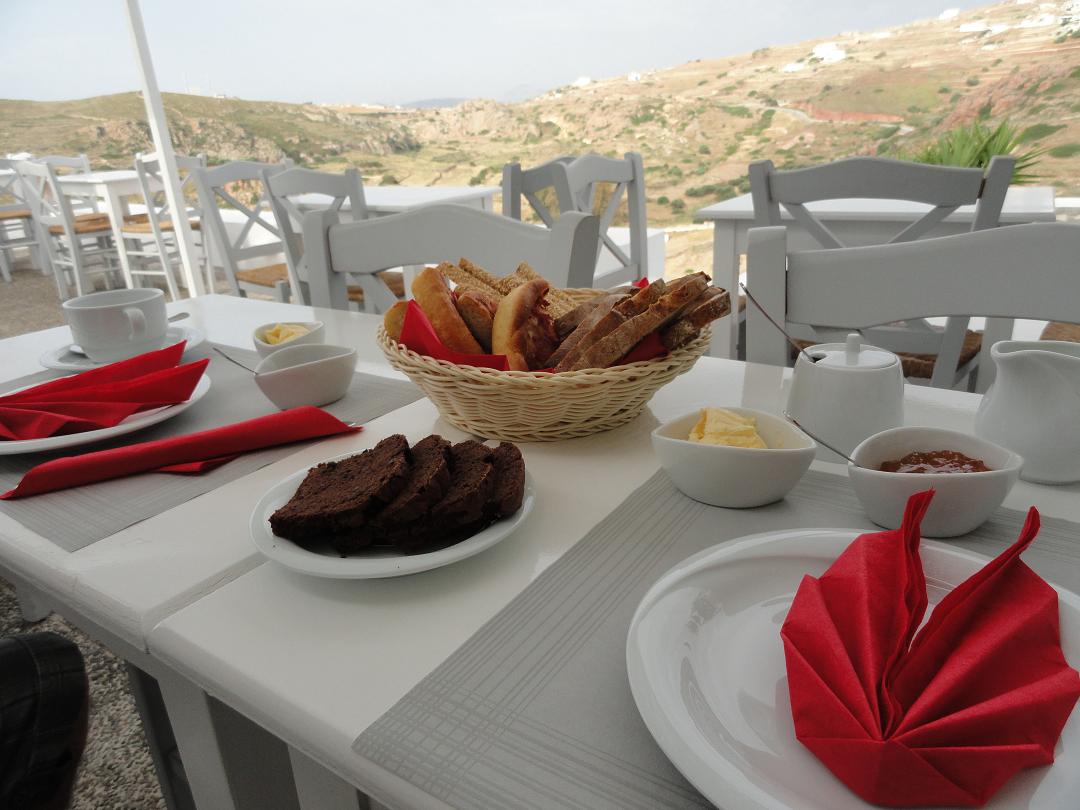
| Breakfast in the Windmill Hotel - between Psathi and the Chora |
|
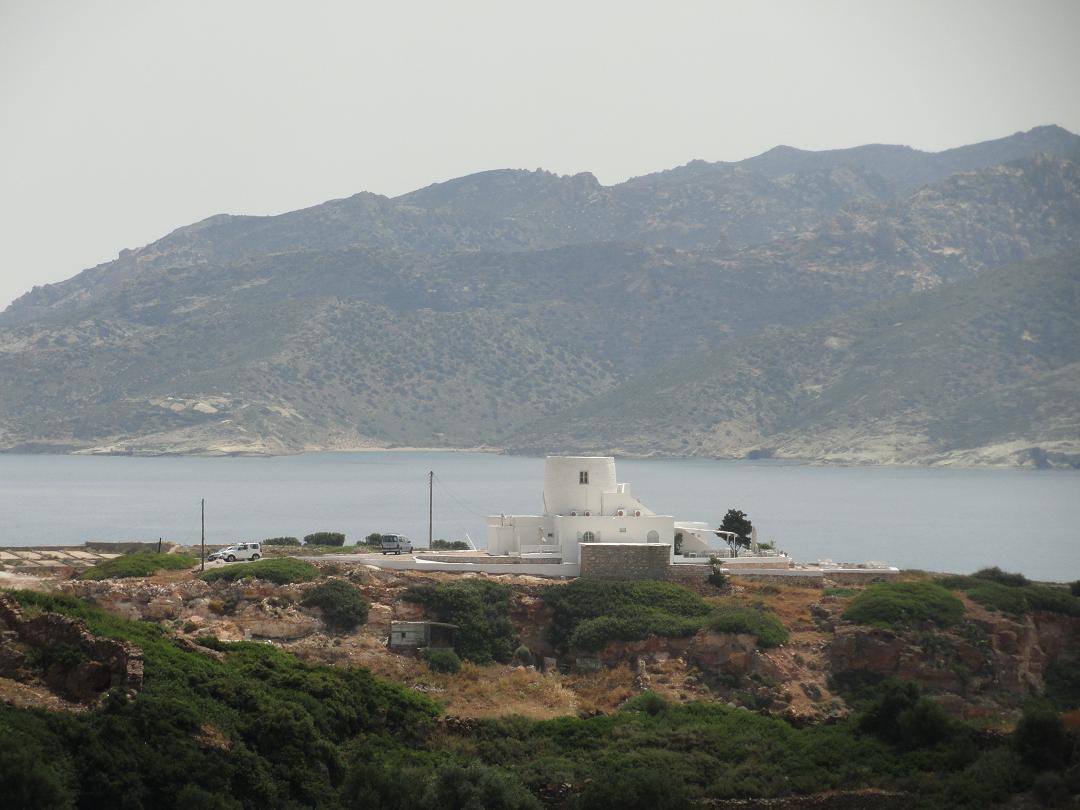
We had breakfast at our accommodation (see the hotel page) and it made us feel like a million dollars (or: euros). We could order what we wanted the day before. Nice coffee, home made things and a view to die for. Our verdict: special: a 9 out of 10. |
© Hans Huisman, https://www.angelfire.com/super2/greece/ 2013