
| The Greek Islands | Kea HOME | Kea Hotels | Kea Beaches | Kea Travel |
 |
 |
 |
 |
 |
 |
 |
 |
 |
 |
| The island of Kea in the Cyclades Tzia - The island of the Lion |

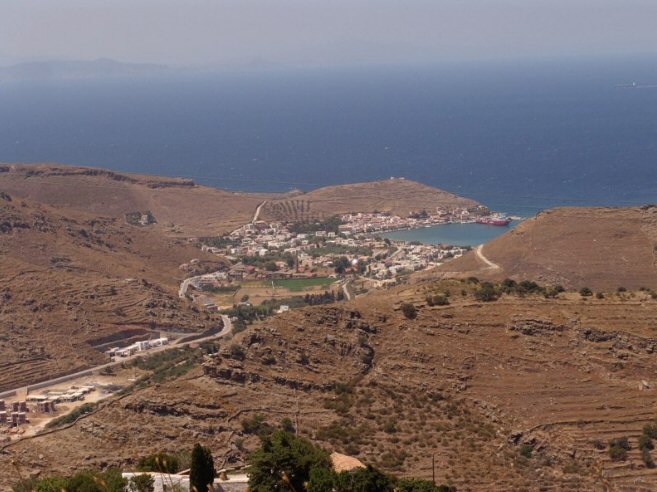
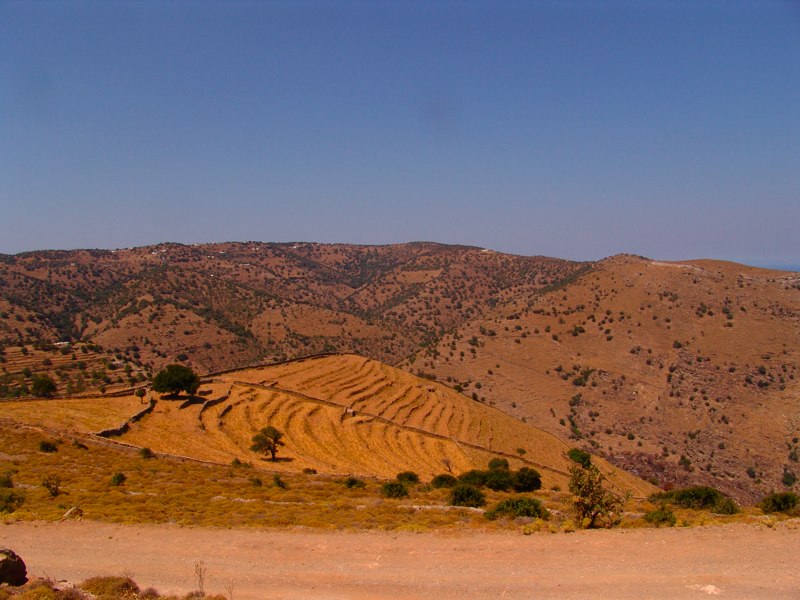
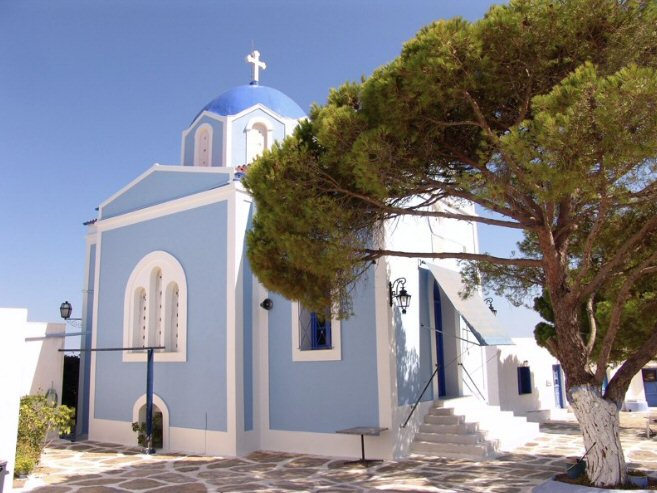
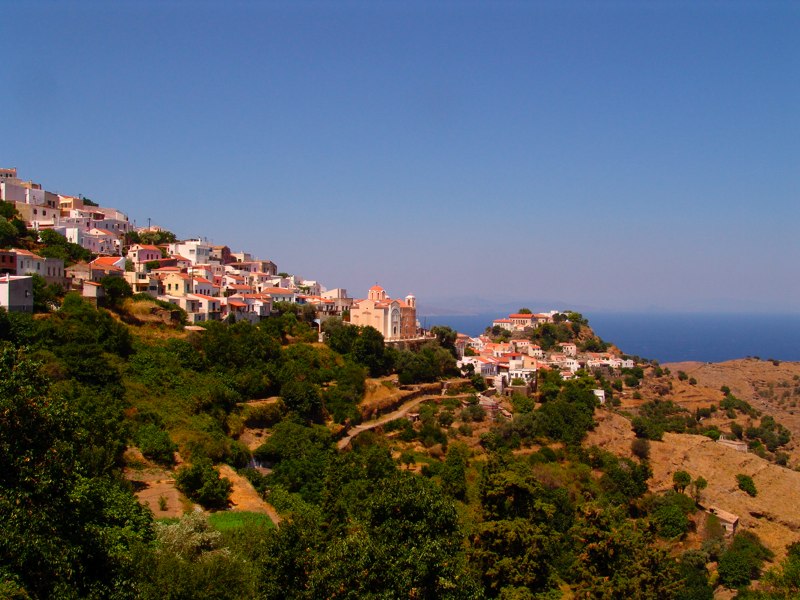
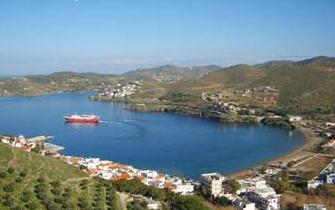
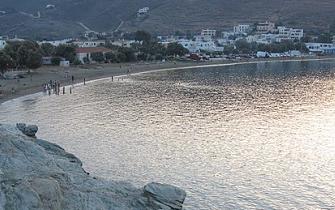
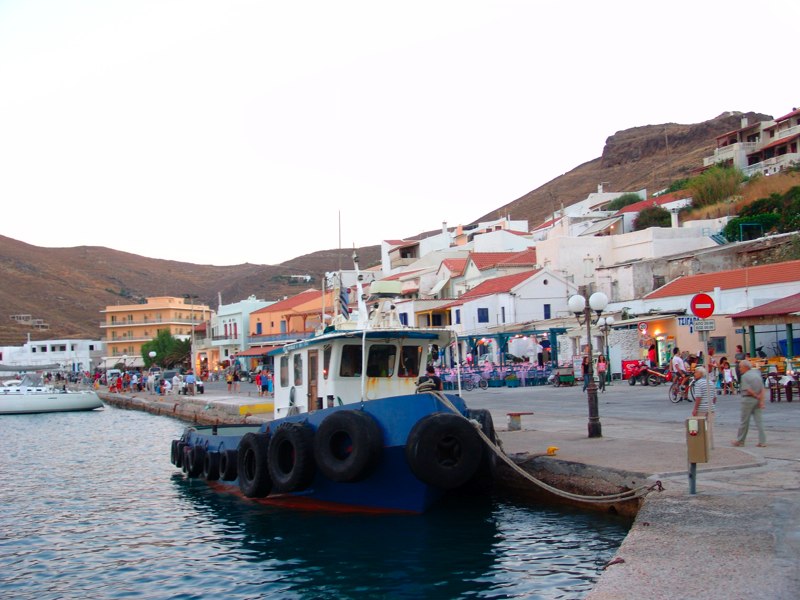
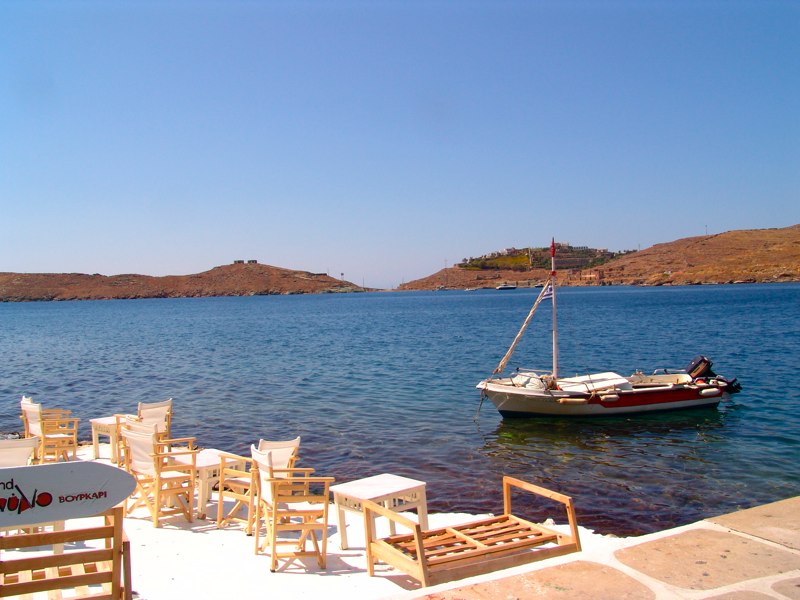
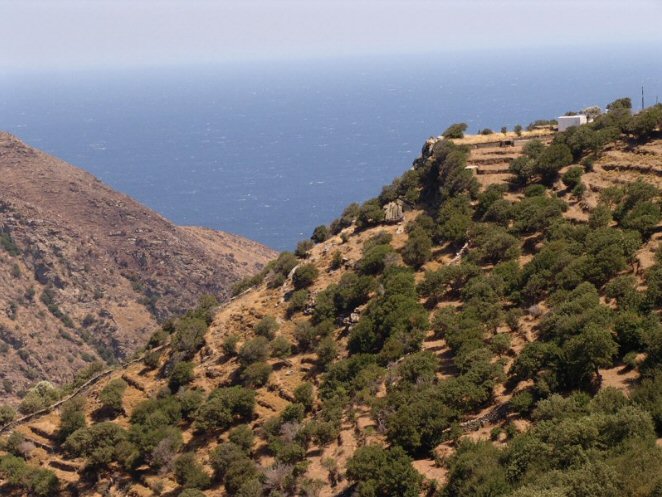
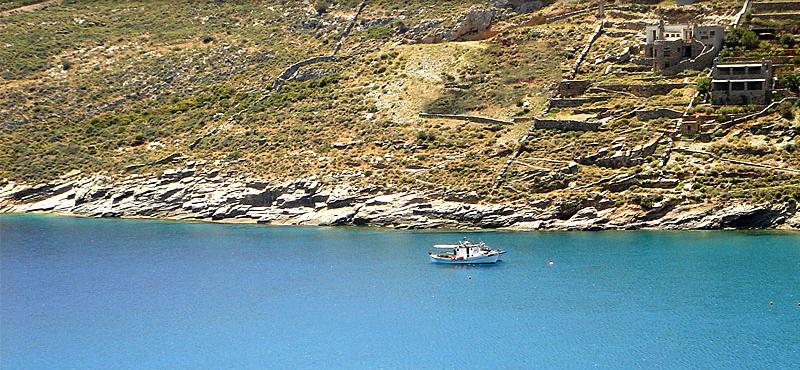
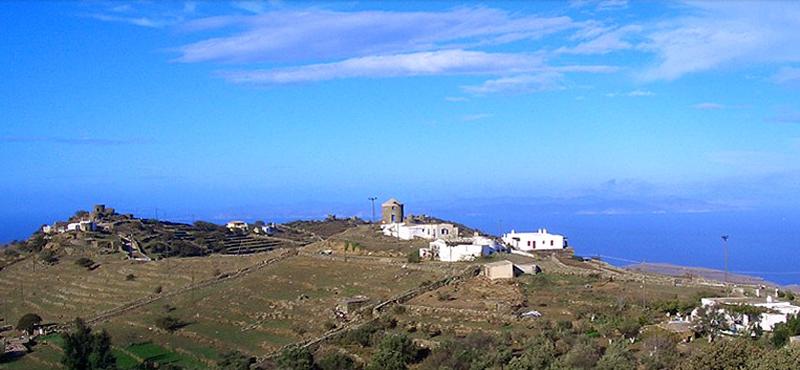
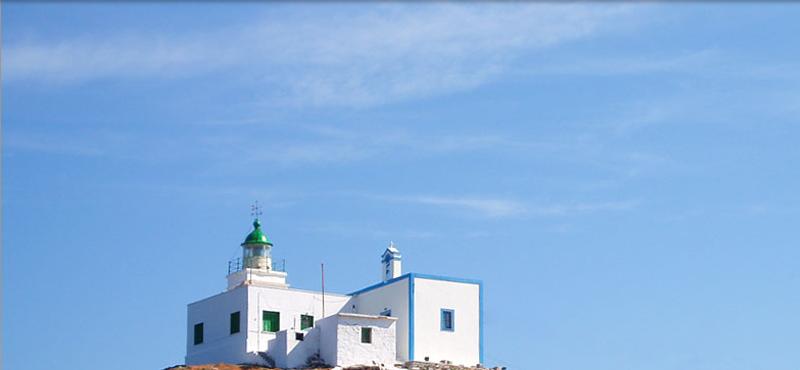
Although the island of Kea is actually very close to Athens, it nevertheless remained quiet and authentic. Lately the island has become popular with people that like walking and slowly the foreign tourists start to discover it. There are many special numbered paths and routes for walkers, that lead to remote beaches and sights. Unlike most other Cyclades islands it is quite fertile and compared with for example the nearby island of Kythnos is relatively very green. In the weekends it often gets busier when the people of Athens trying to escape the air pollution and noise in their city go to Kea. Many Athenians have bought a holiday home here and really wealthy Athenians have holiday villas built because the island is so easily reachable and the trip to Kea is not very long (2 hours from Athens). All ferries arrive in the small port Korissia (also known as Livadia is - why give it one name when you can give it two?) which is situated on the west side of the island in the Bay of Agios Nikolaos. The village has slowly grown into the main resort of Kea, and here and in the Chora (the main town) you'll find most of the accommodations. The village has a long sandy beach where a few hotels can be found. A bit further down is the beach of Gialiaskari with some trees on the edge for the shade-lovers. In the 19th century the island was a centre for the coal trade and just north of Korissia in the village Kokka (near Voukari) you still find the evidence in the shape of some old coal warehouses without a roof. The village Voukari is also emerging as a tourist destination partly because a marina has been build here for pleasure boats. Here you find the best part of the sheltered bay, where there are almost never high waves. There are several hotels and restaurants and most of the nightlife of Kea takes place here in Voukari. A little bit more to the north of Vourkari in the Bay of Agios Nikolaos, lie the remains of a Minoan palace and a Minoan city. There are foundations of the thick city walls, remnants of some houses (complete with cellars and water drainage) and streets with benches. On the site there is a white church with a red roof, the Agia Irini (Holy Peace) which has been named after the excavation. Kea was once an important island and one of the places where the Greek civilization began. From Korissia there are buses to Voukari buses and to the capital Chora (or Ioulis as it is also called). The village of Chora lies on the hill behind the port Korissia and is visible from there. Access to the village is through a gate, because the city was once walled and it looks a bit like a fortress. On the hill above the town there are a couple of old windmills. Once this was called "the mountain of the mills" and there were 26 windmills. Now there is a hand full of them. There is also an old Venetian castle that was built using the stones of a temple of Apollo from the ancient period. There are still pieces of the wall on Venetian defences and there are remnants of an ancient Acropolis |
 |
 |
 |
 |
 |
 |
 |
 |
 |
 |
|
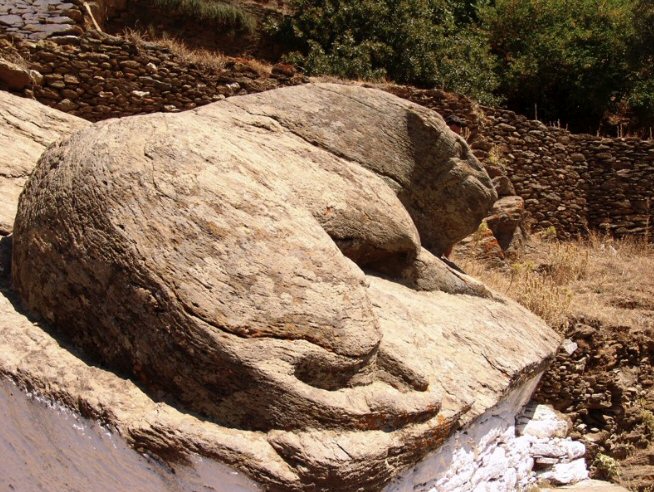
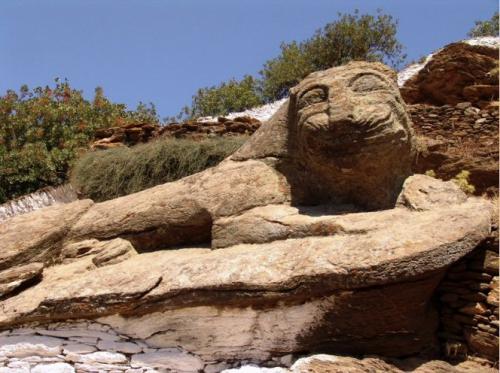
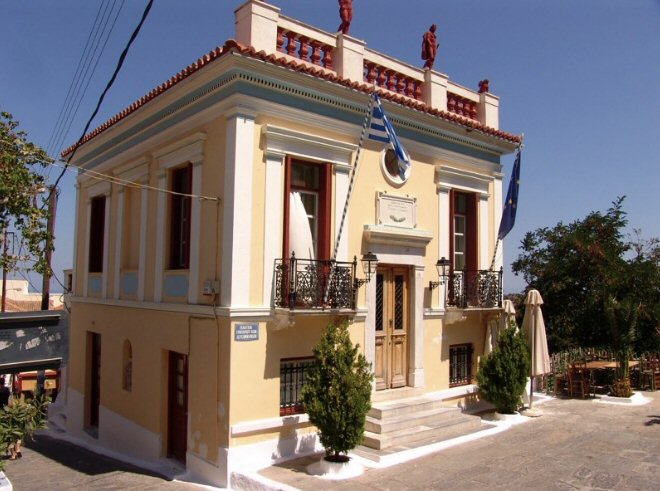
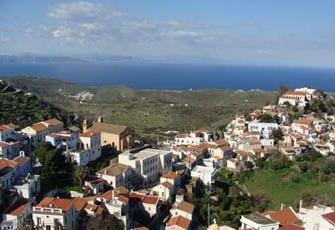
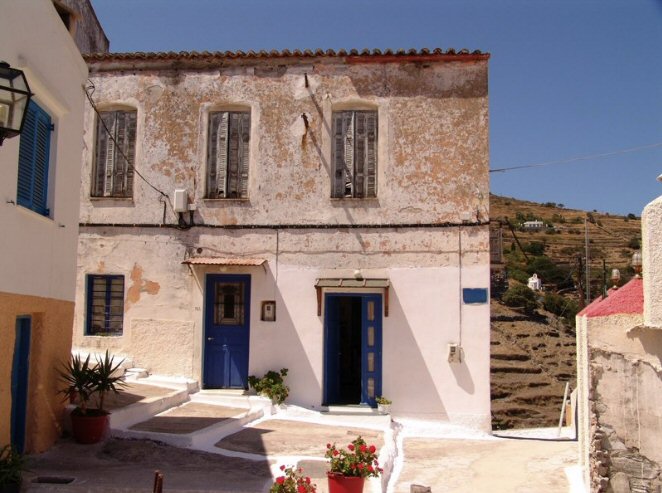
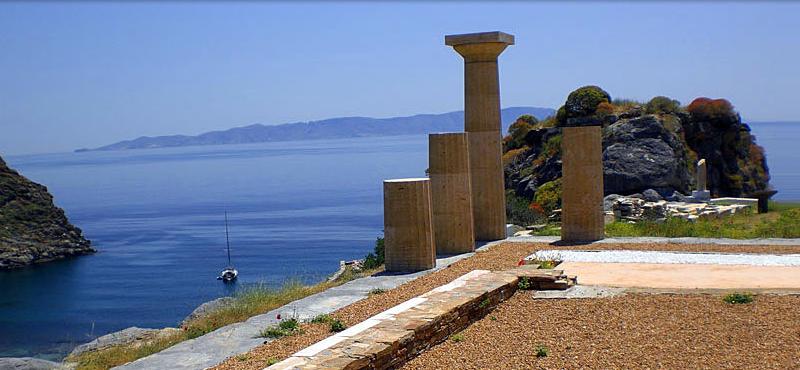
In Chora there are small old houses and the streets are too narrow for traffic by car. In the village there is an Archeologic Museum where the finds of the island are exhibited. Chora is still unspoiled compared with some other towns because here the houses can only be restored and no new houses may be erected. In addition, all cars stay on the outskirts of the village because the streets are too narrow to drive through. In addition, most streets have small stairs because the village lies on a hill. In the village there are several squares with restaurants and cafes. Near Chora is the famous "Lion of Kea". It is a large statue of a lion, made of granite, dating from the 6th century BC. It lies on a hill between the olive trees and it is 6 meters long. This lion is the major tourist attraction of the island and probably the most photographed object on Kea. Around the lion and around the village of Chora there are several water sources with good drinking water. This is probably the reason why the old city was built in this area and why the Chora is there now. The rest of Kea is unspoiled countryside with small villages. Pretty is the coastal village of Pisses that lies in a fertile green valley and is located in the southwest of the island. There is a beautiful sandy beach in the village. By public transport it is not so easy to reach. From Korissia there is only 1 bus a day. In the north lies the coastal resort of Otzias where more buses go to, but here are a lot of accommodations and it is less authentic. In Koundouros, just under Pisses there occasionally stops a hydrofoil (fast small boat) on the way to Korissia. Interestingly for hikers is the route from Chora to the village of Flea which lies in a ravine with 13 watermills. There are also a number of other ancient cities be found at Kea, in addition to the previously mentioned Agia Irini. In the south-east lies Karthea whixh is only accessible by private transport. On the edge of a cliff there lie the remains of an Ionian city and Temples of Apollo and Athena. In Agia Marina, on a side road on the route Korissia - Pisses, on the west side of the island is a Hellenistic tower. The Monastery of Astrianes in the north-east of the island is worth a visit. |
 |
 |
 |
 |
 |
 |
 |
 |
 |
 |
| The beaches and naturist beaches of the island Kea or Tzia in Greece |
|
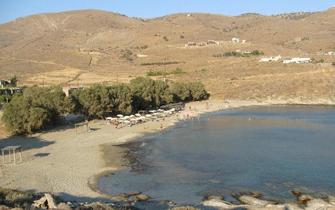
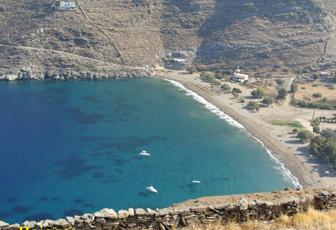
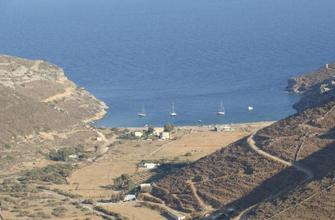
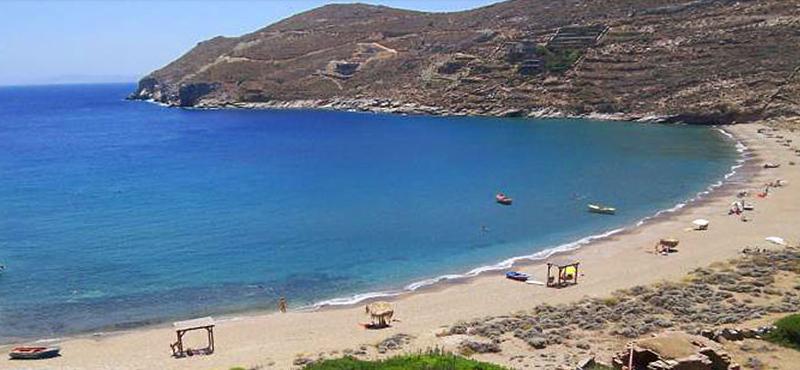
Gialiskari Beach - This is the most popular beach of Kea although it is not so very big. It lies in a bay where the sea is calm and there are umbrellas and sunbeds for rent. The beach is located 6.5 kilometers south of the capital and a 15 minutes walk from Voukari or Korissia, on the northwest coast of Kea. it is especially popular among young people if only because of the sometimes loud music from the beach bar on the spot. Otzias Beach - This beach is located in the north of the island of Kea and is approximately 700 meters long. At the edge of the beach are trees for shade and also there are a few tavernas. On the east side of the beach lies the village. Otzias was in the ancient time a port and there are still remnants to be seen. The paths around Otzias Beach are ideal for walks. There are several small churches in the vicinity and a few kilometers away lies the monastery of Kastriani. Pisses Beach - This beach lies on the west side of the island at 11 kilometres from the capital and it is widely regarded as the best beach on the island. The walk to it is very beautiful. Pisses lies in a beautiful fertile valley. There are a few facilities on the beach resort of Pisses and there are some rooms for rent. The campsite of the island of Kea is here. Sometimes there can be some wind on the beach (the so-called "Meltemi"). At the top of a hill in Pisses lie the remains of the ancient city Poiessa. There is an acropolis, a temple, the remains of a fort and a church with many ancient marble stones in it (the Panagia Sotira). From Pisses beach there are beautiful sunsets. Koundouros Beach - Kondouris Beach is one of the many small sandy beaches south of Pisses, in the southwest of the island of Kea. The beach is protected from the wind. There are accommodations and rooms for rent and there are a number tavernas. There is a large hotel: the Kea Beach Hotel. A little bit south are some more nice beaches, such as the beach of Kampi and the more remote beach of Liparo. Kambi Beach - A rather quiet sand / pebble beach at 18 kilometres distance from the capital and surrounded by mountains and cliffs. Mikres and Megales Poles Beach - The beaches of Mikres and Megales Poles are in the southeast of Kea. You can not get there by car and the last part from Agios Nikolaos you have to walk. This walk is not easy and it leads you through a ravine and along a church. On the way you also pass the remnants of the ancient city of Karthea, with a temple of Athena, a temple of Apolllo, remnants of city walls and a theater. On the beach there can sometimes be quite some wind. The second beach is called Megales Poles and from here there is a road leading to the old city Ioulis. In the sea in front of the beach of Megales Poles there are still remnants from the ancient time. Mavrambeli Beach - This beach is located in the northwest of Kea, near the more popular beaches Gialiskari and Otzias. It is a bit more remote and more difficult to reach. Therefore, it is also much quieter. The beach is accessible on foot or with the motorcycle and there are no facilities. On most maps the beach is not mentioned. Xila Beach - This beach is located in the west of the island and is about 200 meters long. The beach is remote and is reachable only on foot or by motor cycle. On the beach are no facilities so you have to bring your own water and food. Orches Beach - A remote beach that actually can only be reached by Jeep. There are no facilities on the beach (no taverna and such). However, there is some shade to be found on the beach as there are some trees and a couple of straw umbrellas. Spathi, Sikamia and other beaches - There are many other large and small beaches on Kea, many of which are only accessible by foot or motor cycle. Spathi Beach is located in the east of Kea. It is a big and beautiful beach at 14 kilometres distance from the capital. Here are some accommodations for tourists , such as cottages, and there is a cafe at the beach. |
| How do you get to Kea by ferry |
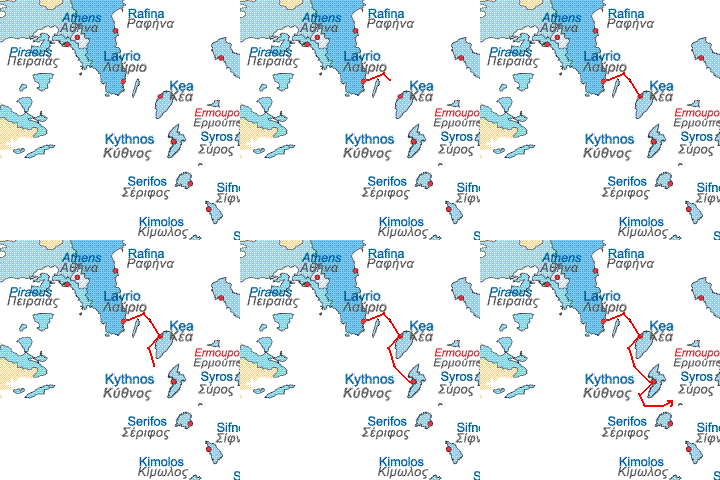
It is very easy to reach Kea from the port of Lavrio, which is situated just southeast of Athens. Various ferry trips a day go from there to the island of Kea. Check the Web sites of Lesvos NEL-Maritime, Goutos and Karystia Shipping Lines Co if you want to know exactly at what time a boat goes and how long it takes. The crossing takes on average about one hour and and you can leave at different times of the day. For some ferries Kea is the first stop and they will go on to Kythnos and Syros for example, but there are also ferries that just go up and down between Kea and the mainland. You can check the times and prices and if you like you can book a ticket ahead on the site of Ferries in Greece. Especially if you want to be on a superfast ferry during the high season this could be a good plan. |
| Hotels, apartments and studios on the island of Kea in Greece |
|
The choice of accommodations on the island of Kea in Greece is (still) quite limited, but most of them are of a good quality. The last couple of years both tourism and the number of offered accommodations are quickly increasing. Below is a selection of what is on offer. This includes hotels and studios, but also a number of private villas and houses and luxury resorts. For all hotels, apartements and studios on the island of Kea in Greece - click here. |
| Hotels on Kea: Hotel Karthea - Korissia, Kea, Greece |
 |
 |
 |
 |
 |
 |
 |
 |
 |
 |
|
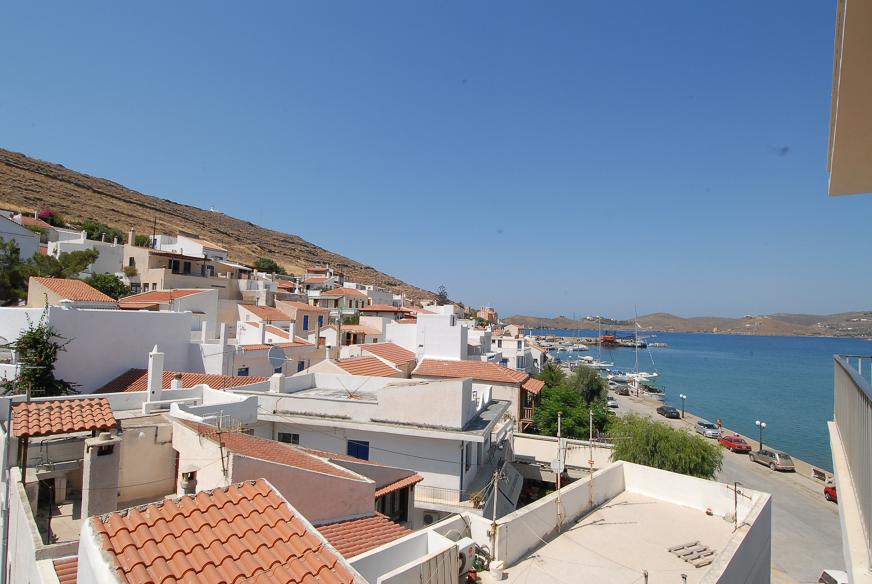
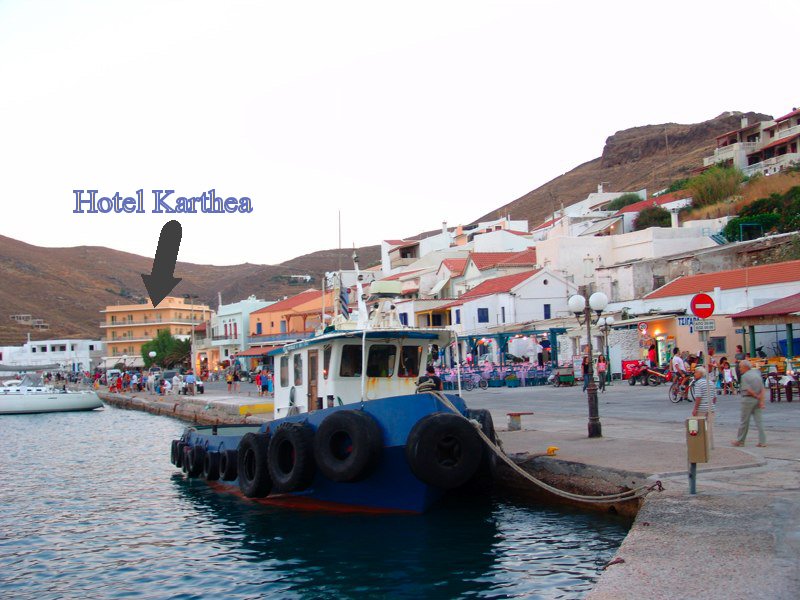
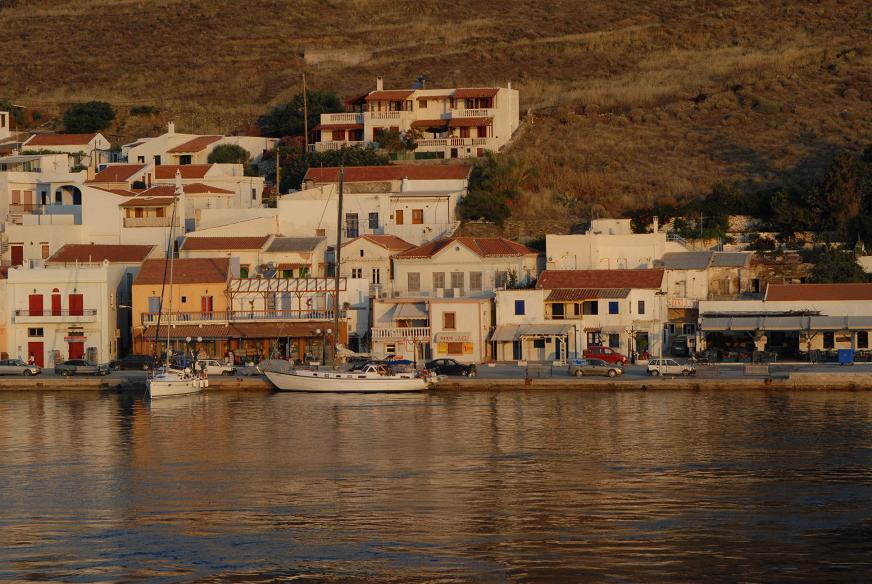
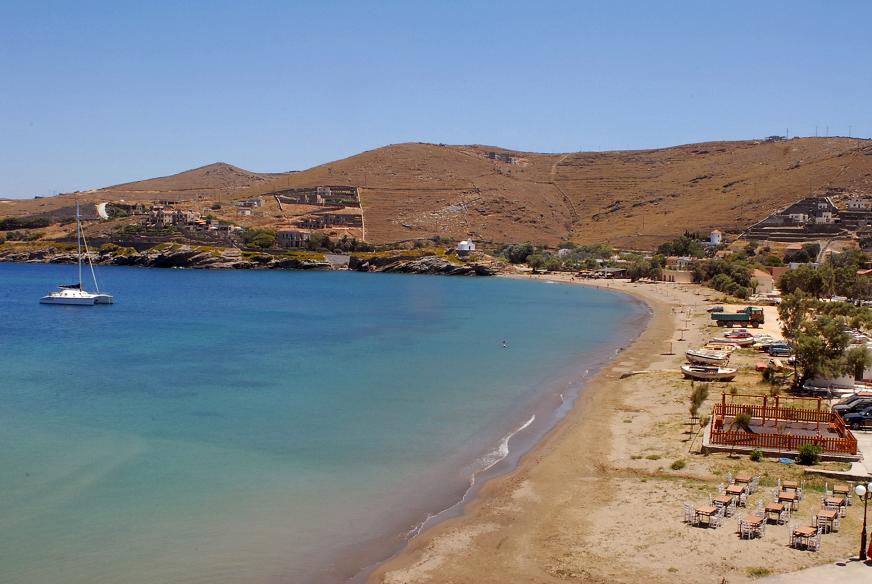
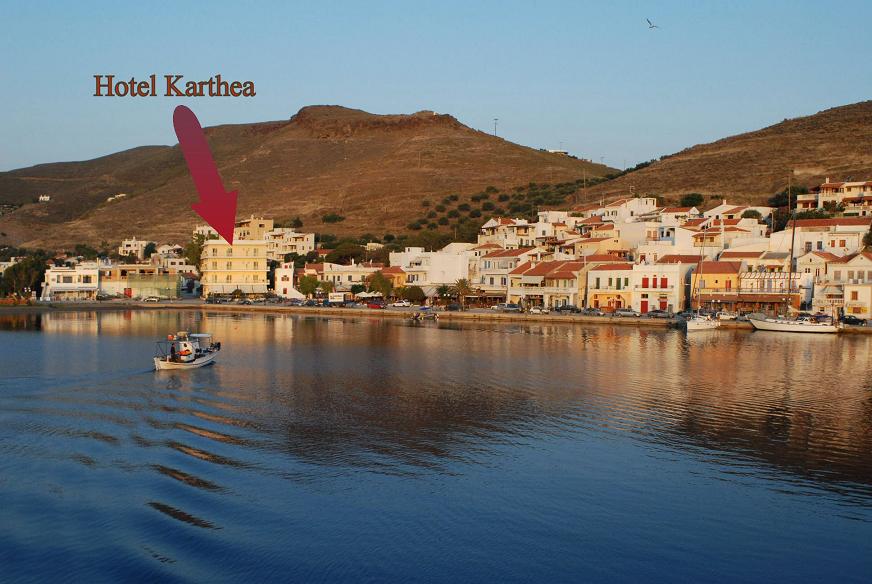
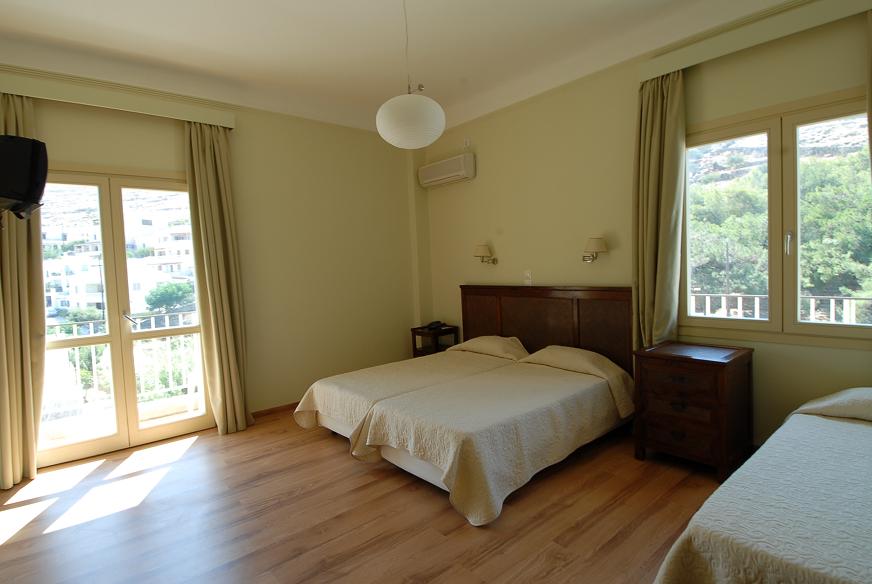
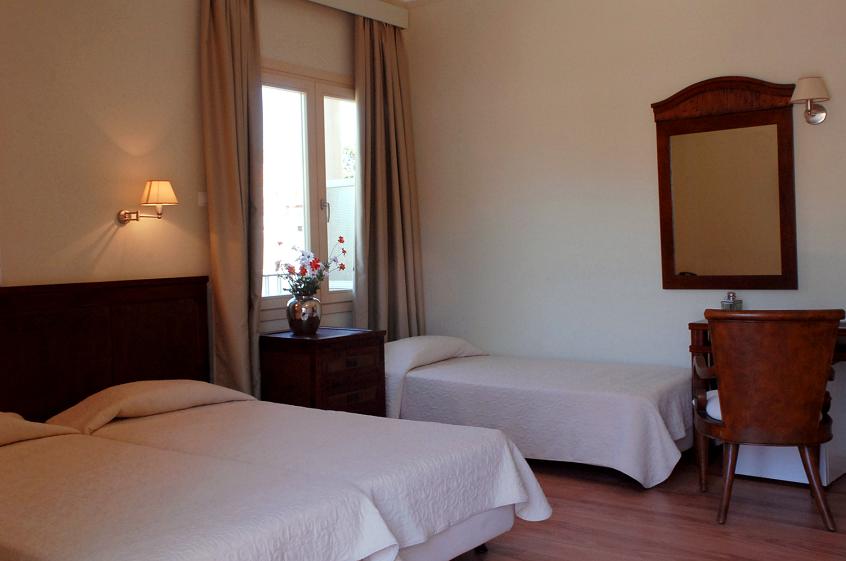
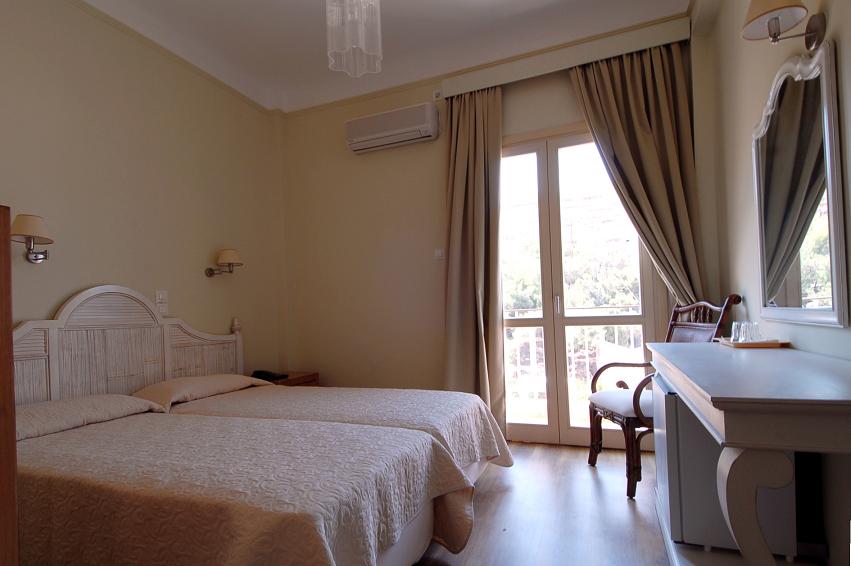
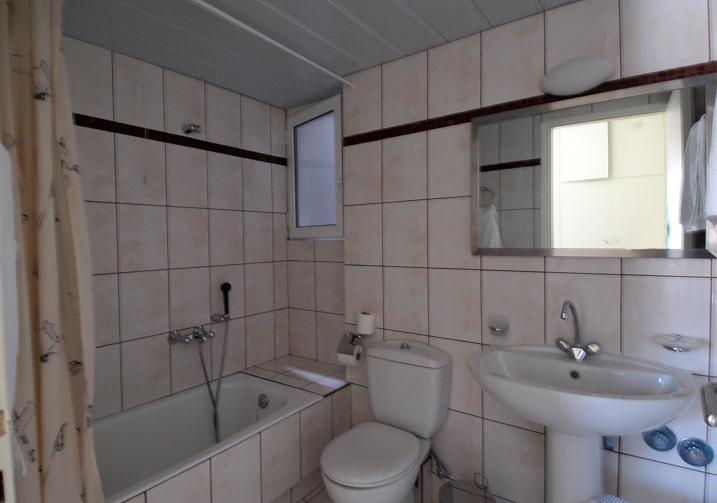
Located on the waterfront of Korissia in Kea, Hotel Karthea is a 2-minute walk from Agios Georgios Beach. It features rooms with a private balcony overlooking the village or the Aegean Sea. Rooms at the Karthea are tastefully decorated with wooden furnishings and parquet floors. Each includes a fridge, a TV and free Wi-Fi. All units have a private bathroom with amenities and a hairdryer. Breakfast is served daily in the dining room or in the rooms. Guests can have drinks and coffee at the bar. The hotel also features a small library. Korissia's waterfront is lined with little cafés and bars. Ioulida, the island's capital is set on a hill 5.5 km away and offers panoramic views to the sea. Staff at the 24-hour front desk can arrange car rental. The trip to Kea from the port of Lavrion takes just over an hour. Check availabilities and prices & book the Hotel Karthea in Kea - click here. |
| Villas on Kea: Kea Villas - Ioulida, Kea, Greece |
 |
 |
 |
 |
 |
 |
 |
 |
 |
 |
|
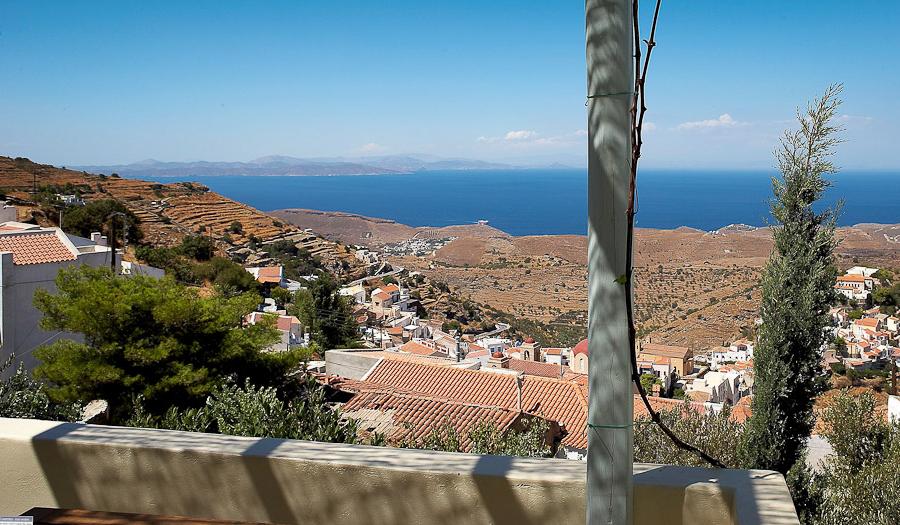
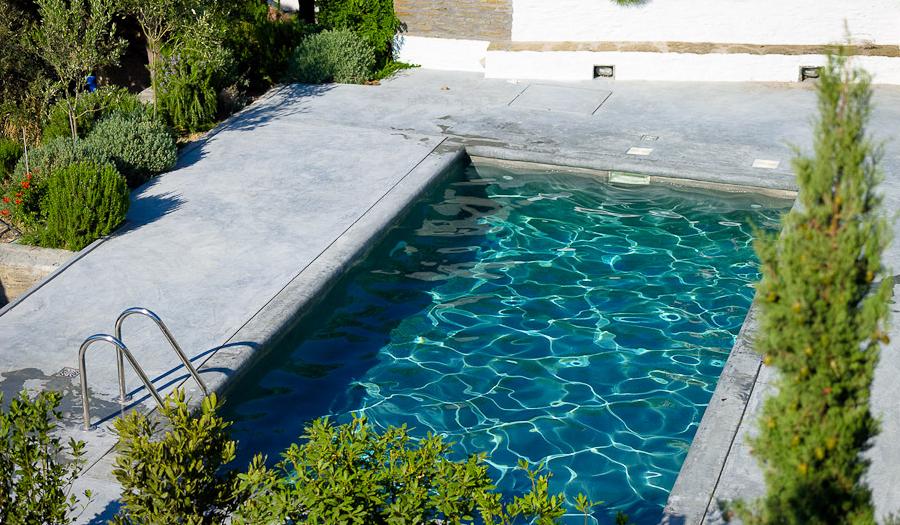
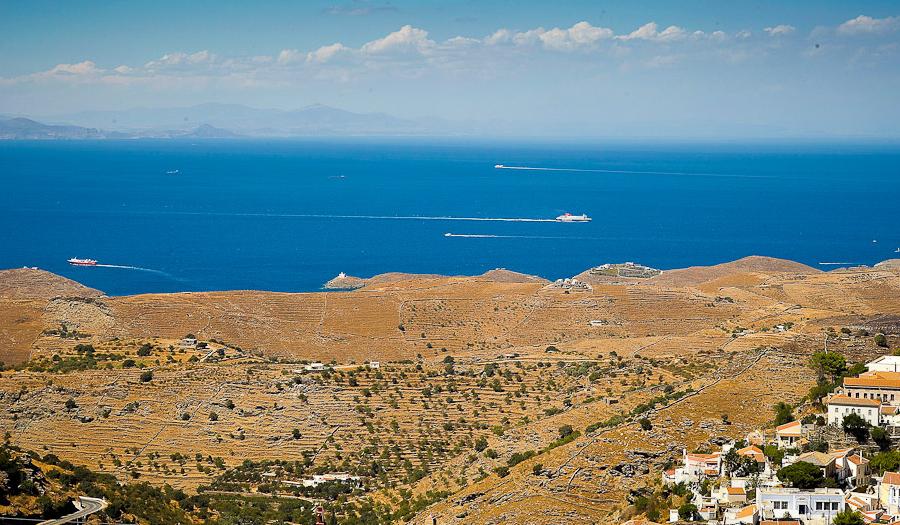
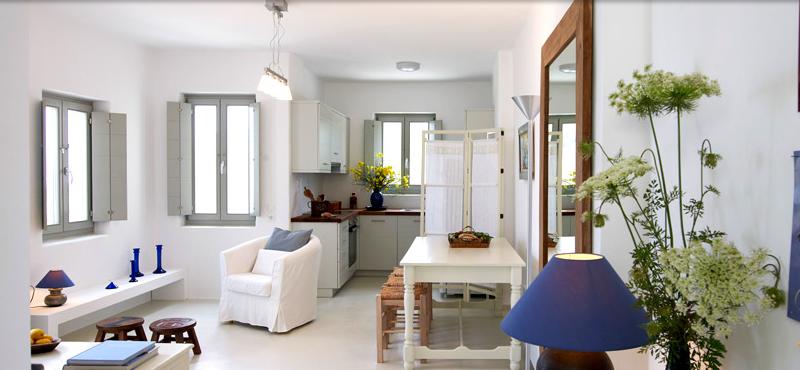
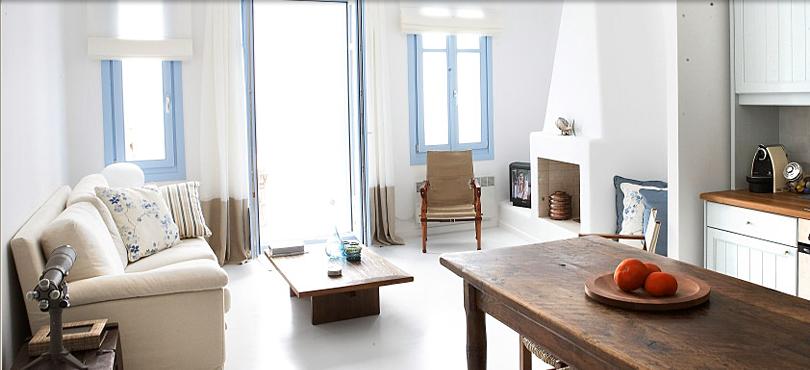
Situated at the top of Ioulida, Kea Villas offer a unique view of Kea's main town and the Aegean Sea. Built according to the Cycladic architectural style, the complex features self-contained private houses that share a swimming pool. The elegant are naturally aired, and feature ceiling fans. Both the living room and bedroom open onto large furnished verandas with Aegean Sea views. Wi-Fi is free, and villas come with an LCD TV and hi-fi system. Kea Villas include a modern fully equipped kitchen with built-in electrical appliances and all necessary equipment for at-home cooking. Local wine, traditional treats and bottled water await guests upon arrival. A 15-minute drive from the beach, Kea Villas is 5.5 km from the port of Korissia. The island of Kea is easily reached from Athens, approximately a 1-hour ferry ride from Lavrio port. Free mountain bikes are available, and parking on the premises is free. After a few minutes walk through the cobblestone pavements, you can reach the village square where you can visit the Archaeological Museum, the local market and taste local delicacies. Check availabilities and prices & book Kea Villas in Kea - click here. |
| Hotels on Kea: United Europe Hotel - Korissia, Kea, Greece |
 |
 |
 |
 |
 |
 |
 |
 |
 |
 |
|
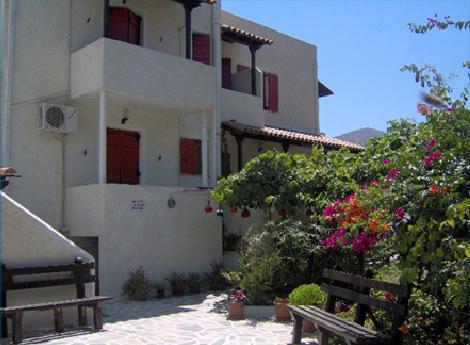
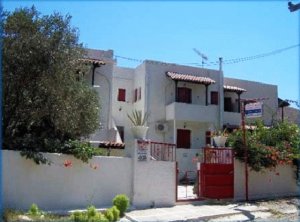
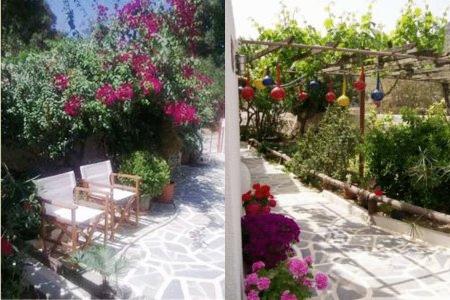
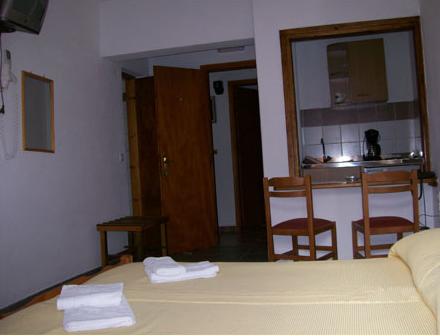
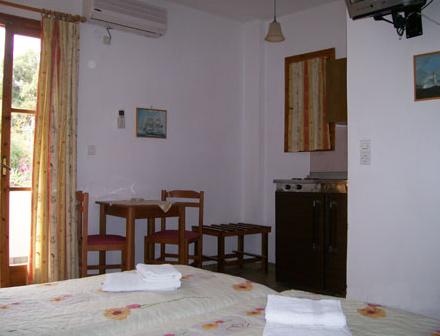
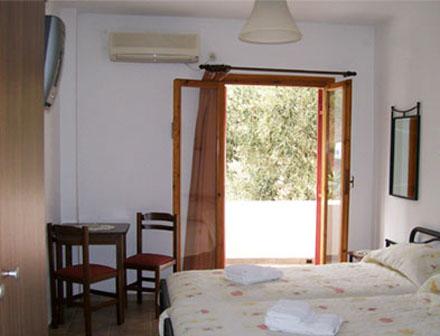
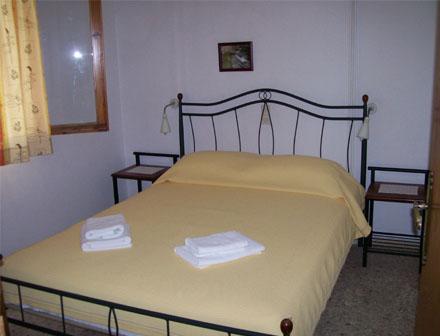
United Europe is located at Korissia, 200 metres from the sea and 400 metres from the port. All rooms are serviced daily and have air conditioning, TV, kitchenette or refrigerator and balcony overlooking the valley. Ioulida, the capital of the island is just 6 km away. Check availabilities and prices & book the United Europe Hotel in Kea - click here. |
| Hotels on Kea: Aigis Suites - Vourkari, Kea, Greece |
 |
 |
 |
 |
 |
 |
 |
 |
 |
 |
|
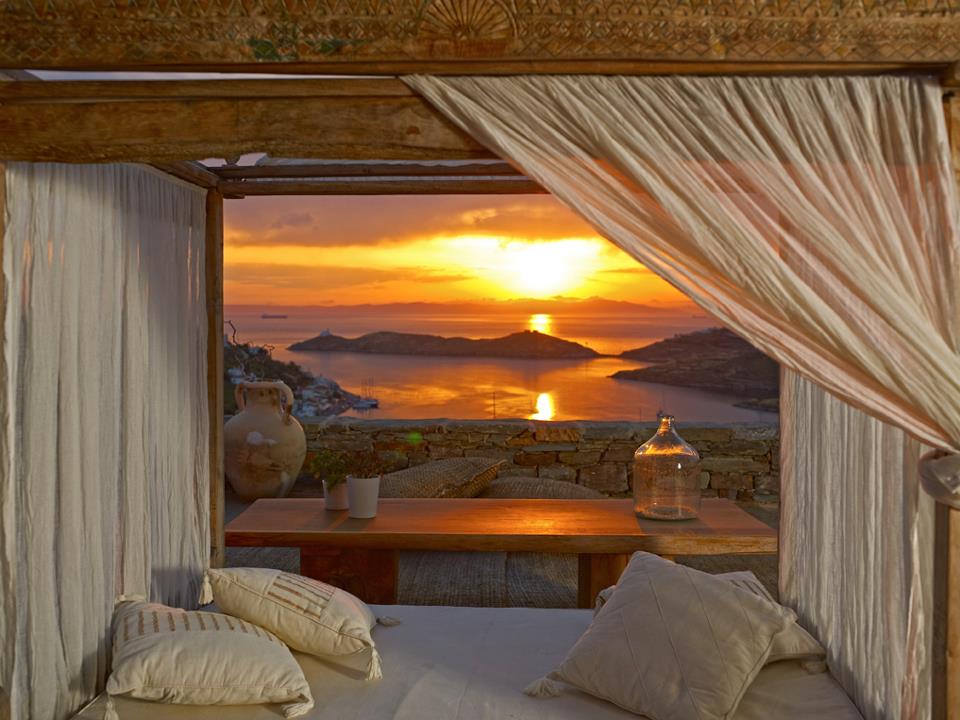
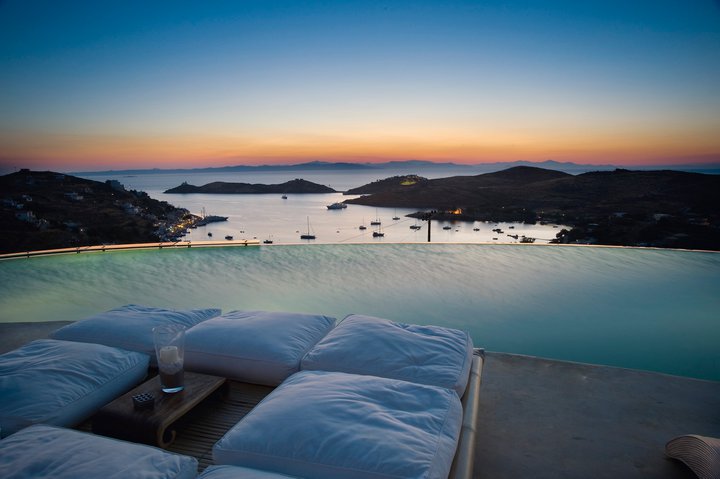
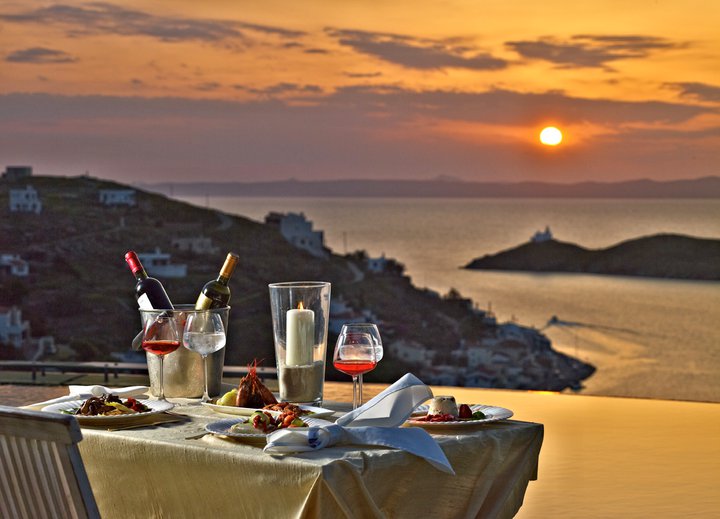
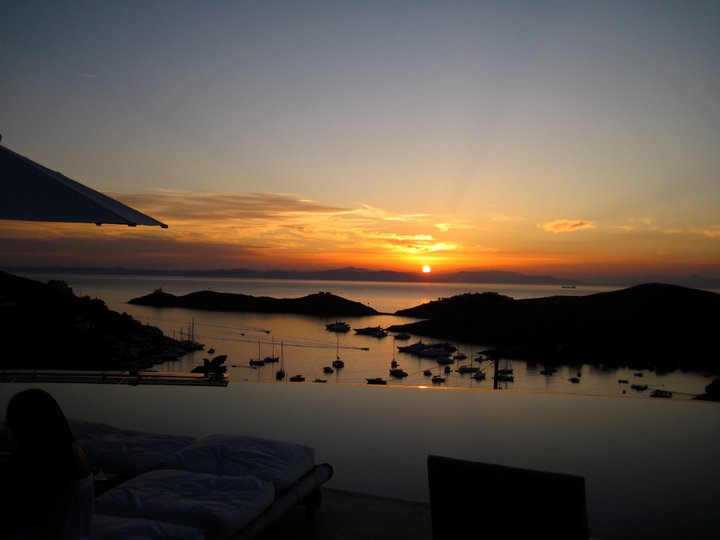
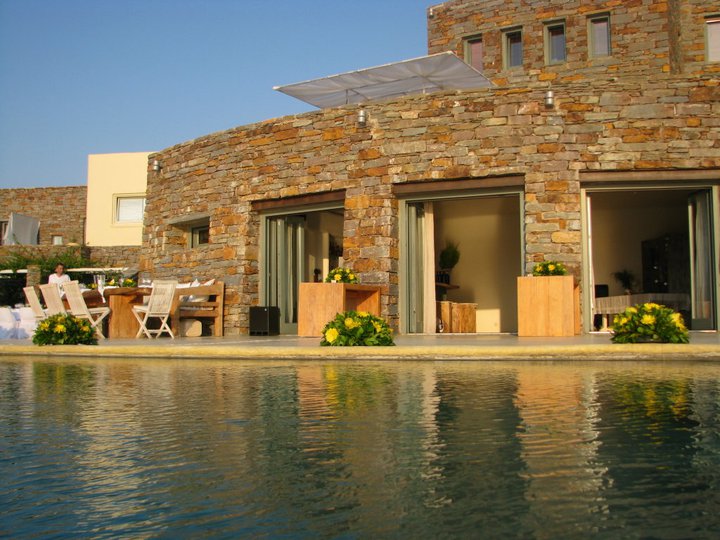
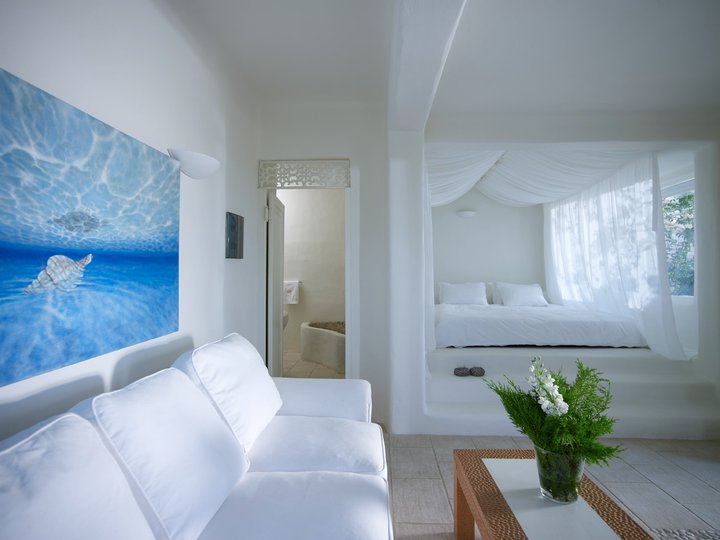
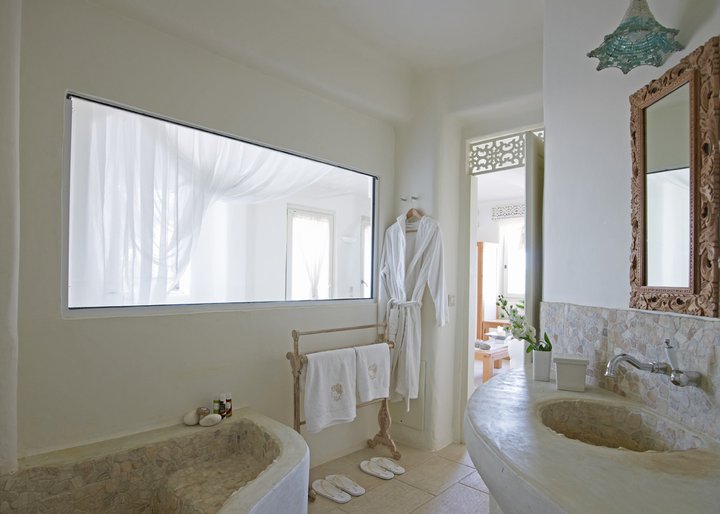
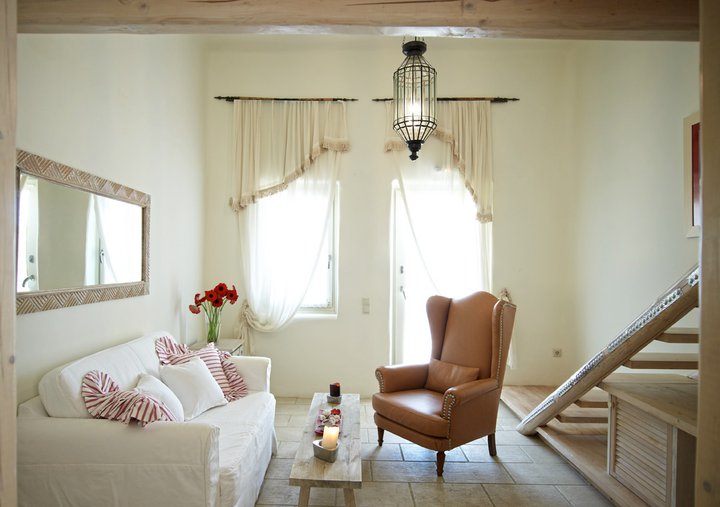
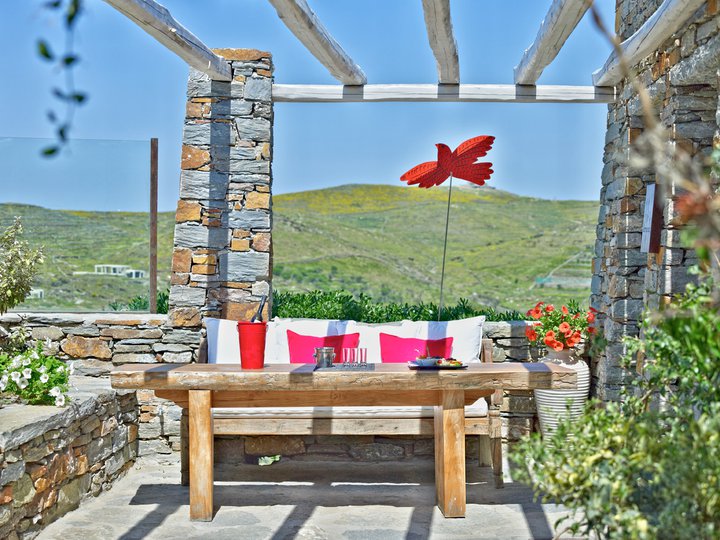
Overlooking the Aegean Sea and Vourkari Port, modern stone-built Aigis Suites is situated on a hill. It features a seasonal outdoor infinity pool with a terrace, sun beds, umbrellas and unlimited views. These stylish and spacious suites offer free Wi-Fi, flat-screen satellite TV, DVD & CD player, minibar and furnished terraces. Featuring minimal décor, they are fitted with Coco-Mat pillows and mattresses. Some units have a private pool, an open shower and spa bath. An à la carte breakfast is prepared daily that includes homemade items and can be served in the privacy of your suite. The on-site restaurant offers Greek cuisine of local produce. The bar has a variety drinks and coffees that can be enjoyed by the pool. The facilities consist of a Shambhala spa, hot tub and steam bath. The hotel's tour desk can provide information on various local attractions and excursions. Car rental is available upon request at an extra charge. Aigis Suites is situated just 2.5 km from Korisia port. Free private parking is available on site. Check availabilities and prices & book the Aigis Suites in Kea - click here. |
© Hans Huisman, Hotel Karthea, United Europe Hotel, Kea Villas, https://www.angelfire.com/super2/greece/ 2015