| The Greek islands | Folegandros HOME | Folegandros Hotels | Folegandros Beaches | Folegandros Restaurants | Folegandros Travel |
 |
 |
 |
 |
 |
 |
 |
 |
 |
 |
| FOLEGANDROS ISLAND IN THE CYCLADES IN GREECE - THE RED AND YELLOW ROCK WITH STUNNING CHORA |
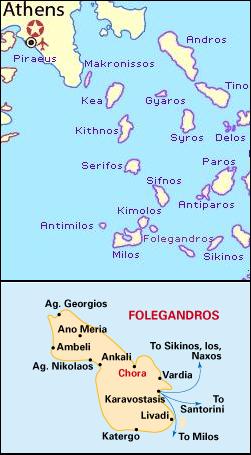

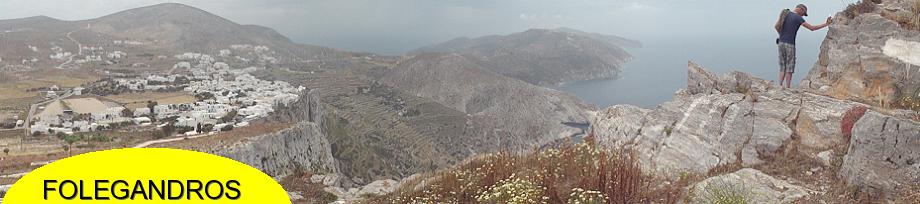
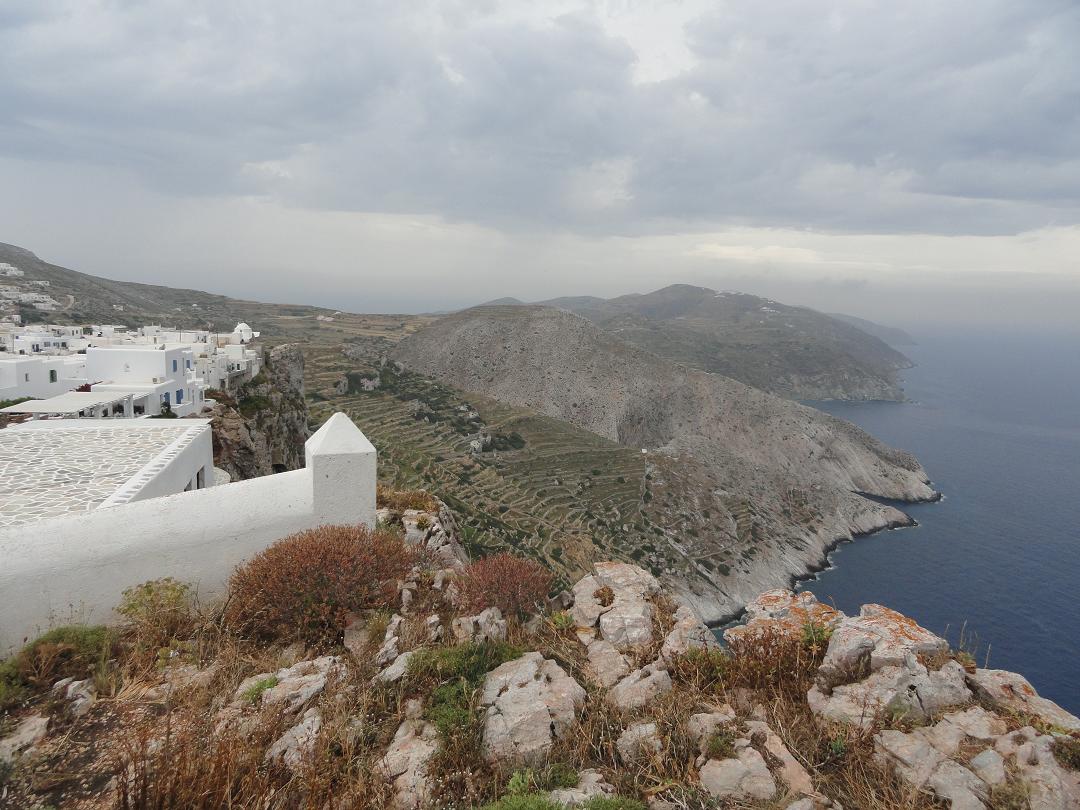
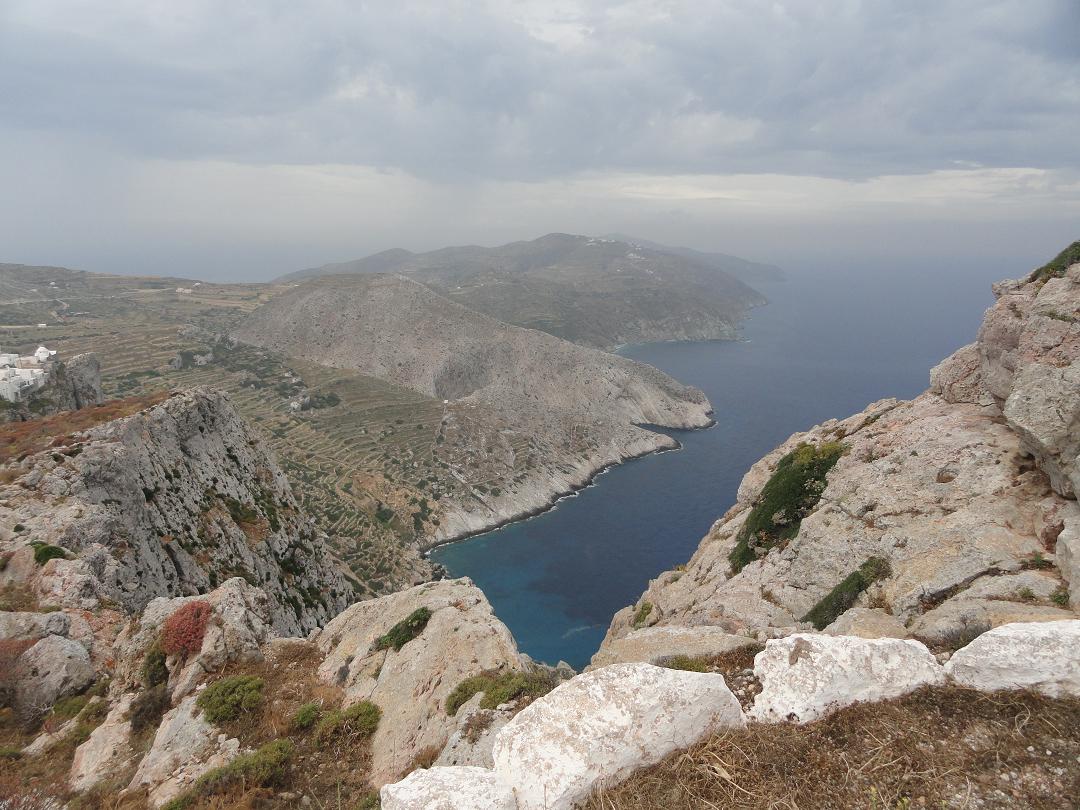
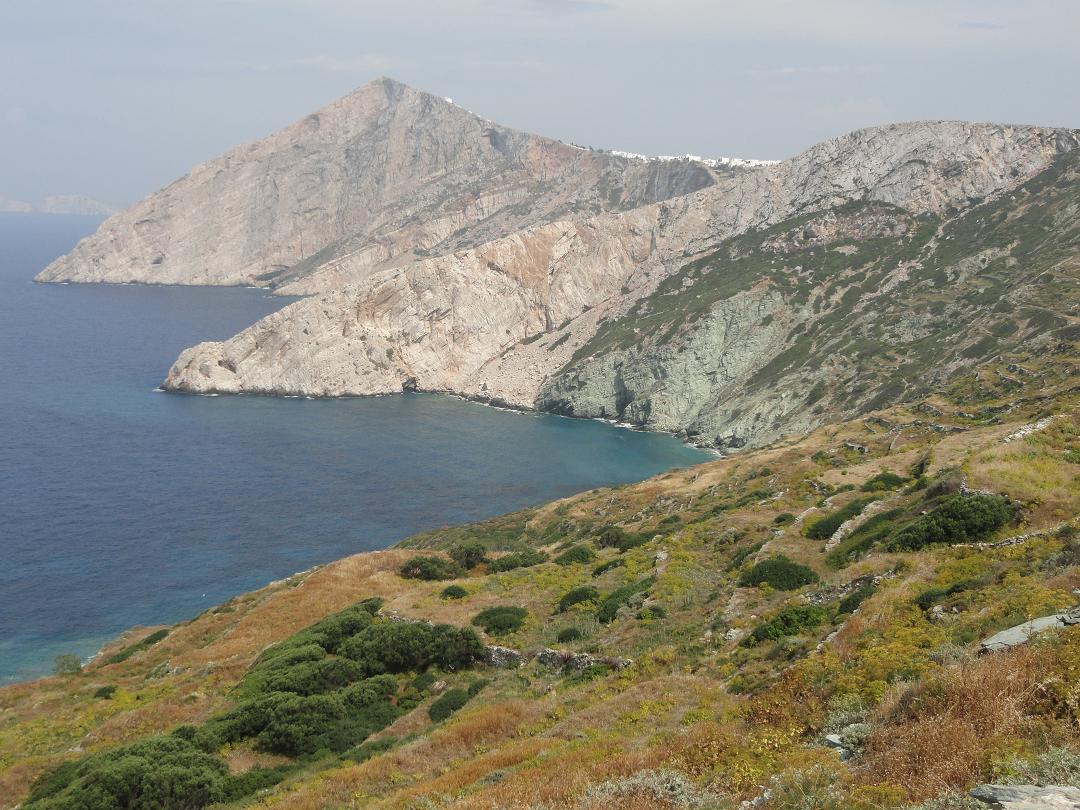
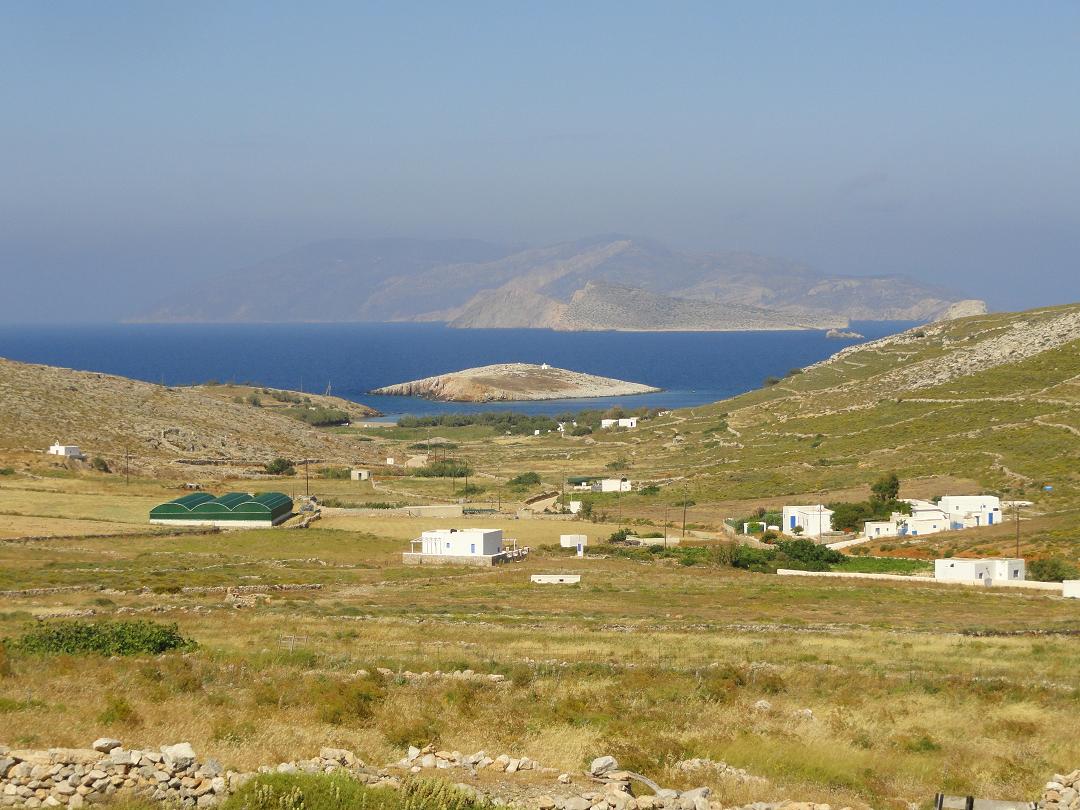
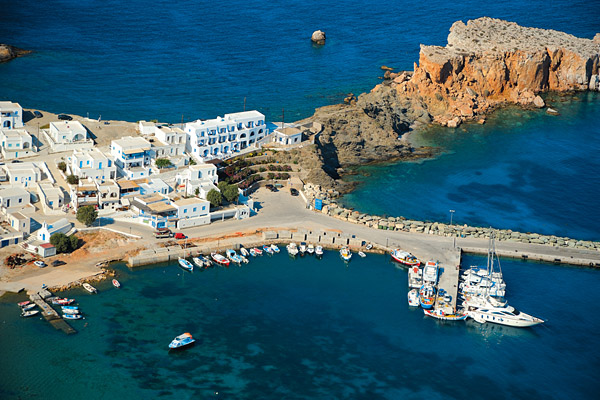
Folegandros is one of the more remote Cycladic islands and situated northwest of the island of Santorini. It is 32 km2 large and has around 650 inhabitants. It is concidered romantic and an "up-market" island for people with a bit of money to spend. Because of its remote position in the islandgroup it is still relatively quiet and has retained most of its traditional character. Especially in the high season it can be hard to find a place to stay because of the limited number of accommodations. Hotels, apartments and studios can be found in Karavostasis (the port) and in Chora, but as these are both only small villages accommodations quickly fill up in Juli and August. The first impression you will get when you arrive in Folegandros by ferry is that it is barren and rocky. The port of Karavastasis is mostly modern and built for the tourism industry. In the bay lay the colourful kaiks (traditional wooden boats) and fishermen are mending their nets on the quay. There are accommodations, restaurants and some shops around the pebble beaches of the village. In and around the village of Karavastasis there are a couple beaches that can be reached by stairs. Especially Vardia beach is pretty and quite large. It is a sandy beach with some pebbles on it and there are beautiful views of rocks, islets and islands in front of it. Just like the other beaches around the village they are suitable for small children. From Karavostasis the road goes north and south. The road southwards leads to Livadi Beach where there is also a camping site. This beach can be reached on foot in about ten minutes. In between you will see three other beaches. The first one can be reached by stairs but it is in the wind and one of the others (Vitsentzou) is also quite a nice and sandy beach. You can reach this beach over a path. To the north is the main road of the island that leads towards the capital Chora, the village of Ano Meria and the beach of Agios Georgios, which is all way up in the north. Between the port and the village of Chora there is a regular bus service and in between the port and the camping site in Livadi there is a shuttle bus (to pick up guests that arrive on the ferry). |
 |
 |
 |
 |
 |
 |
 |
 |
 |
 |
|
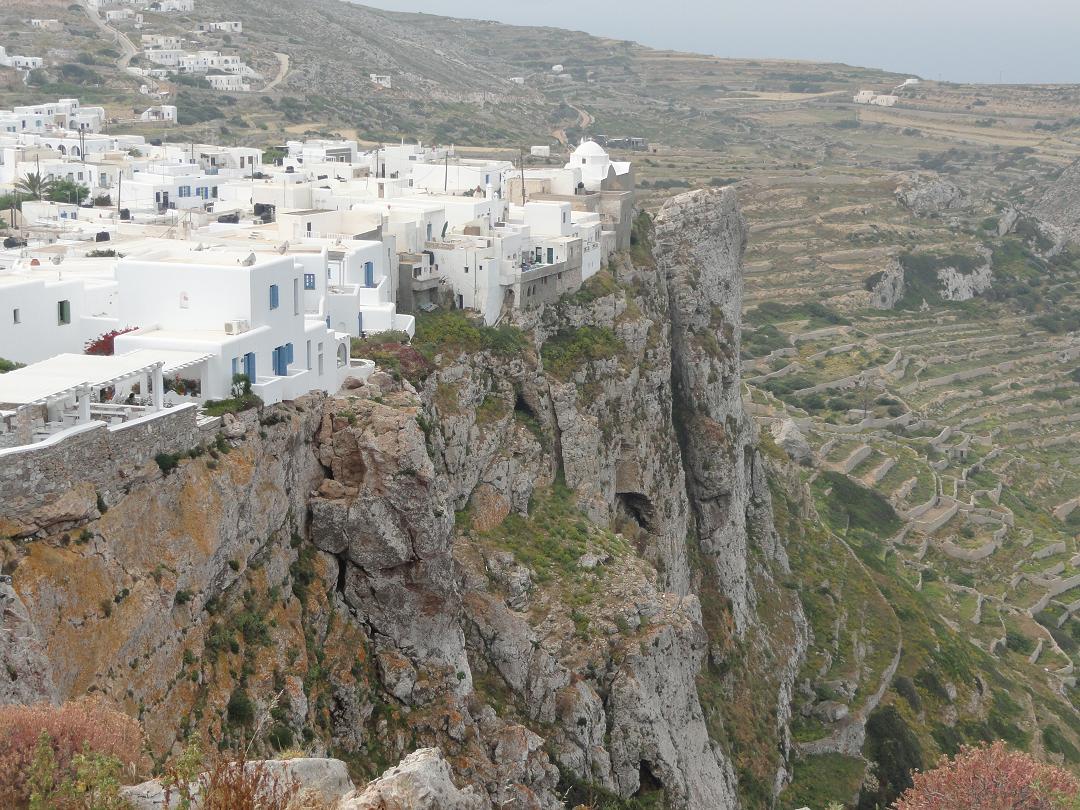
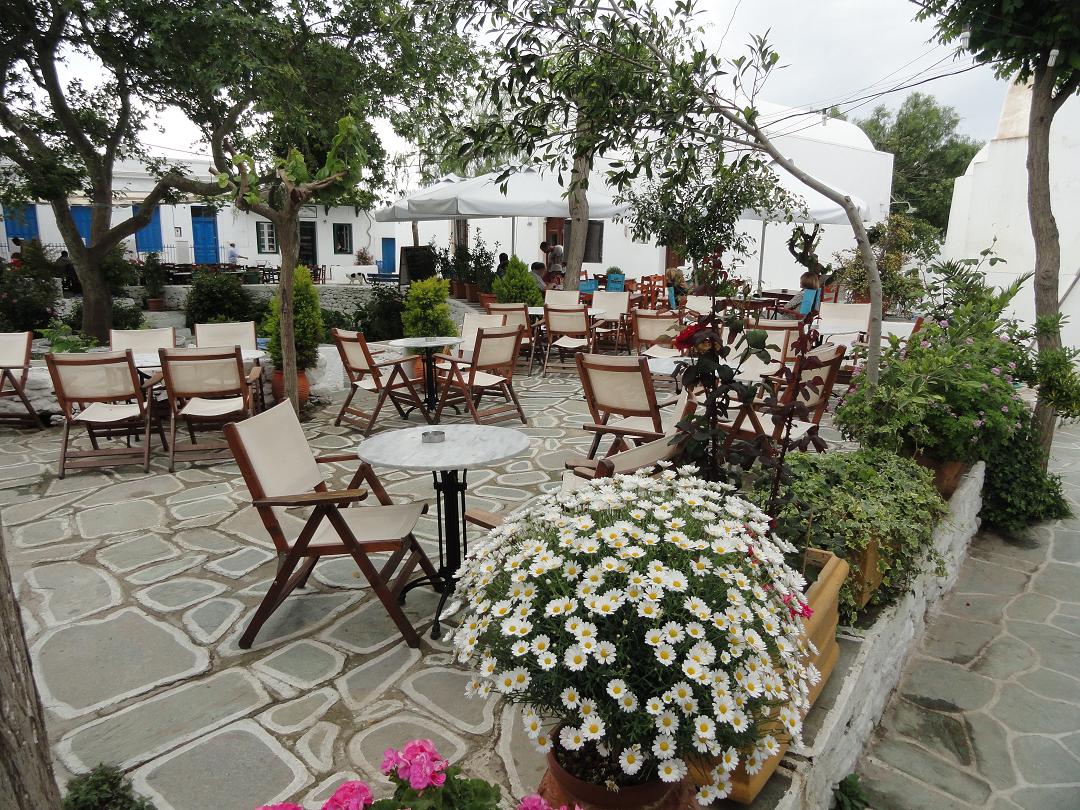
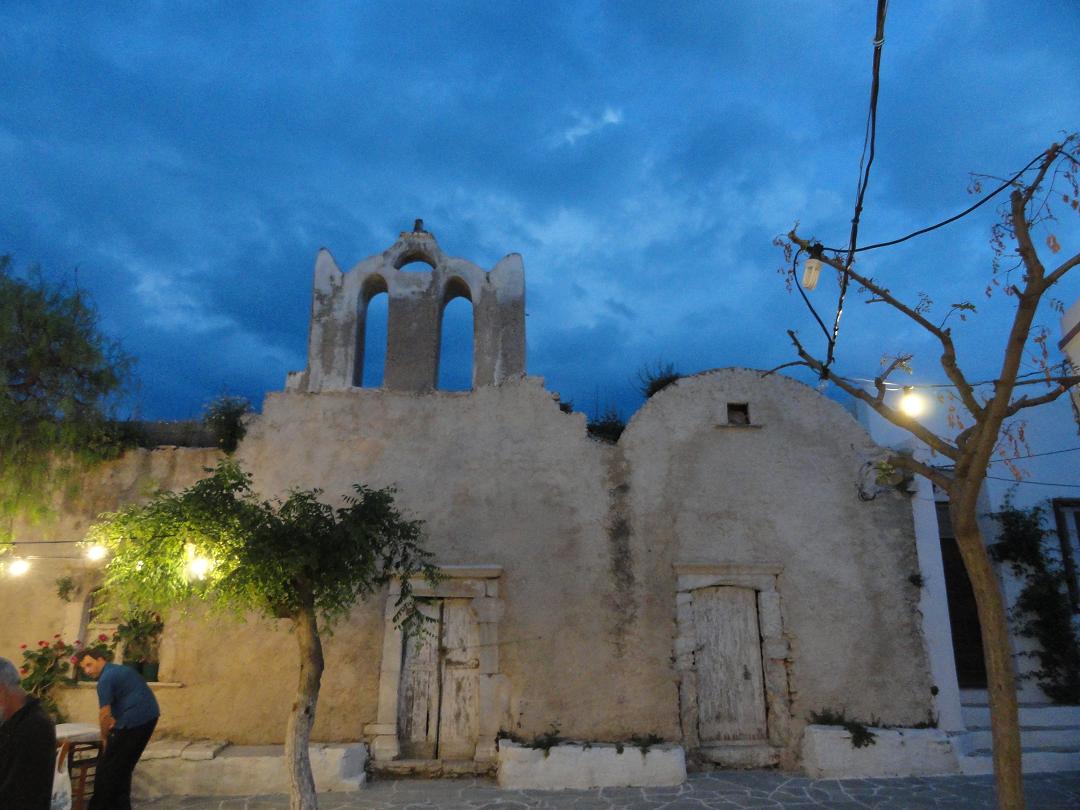
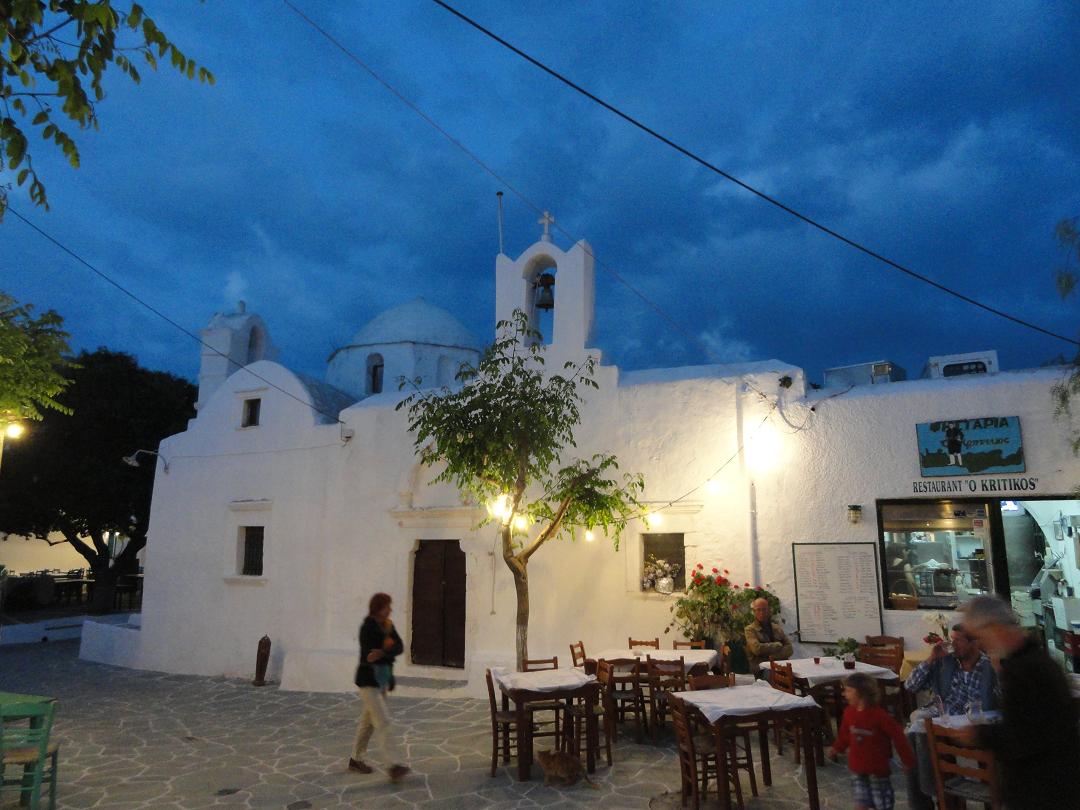
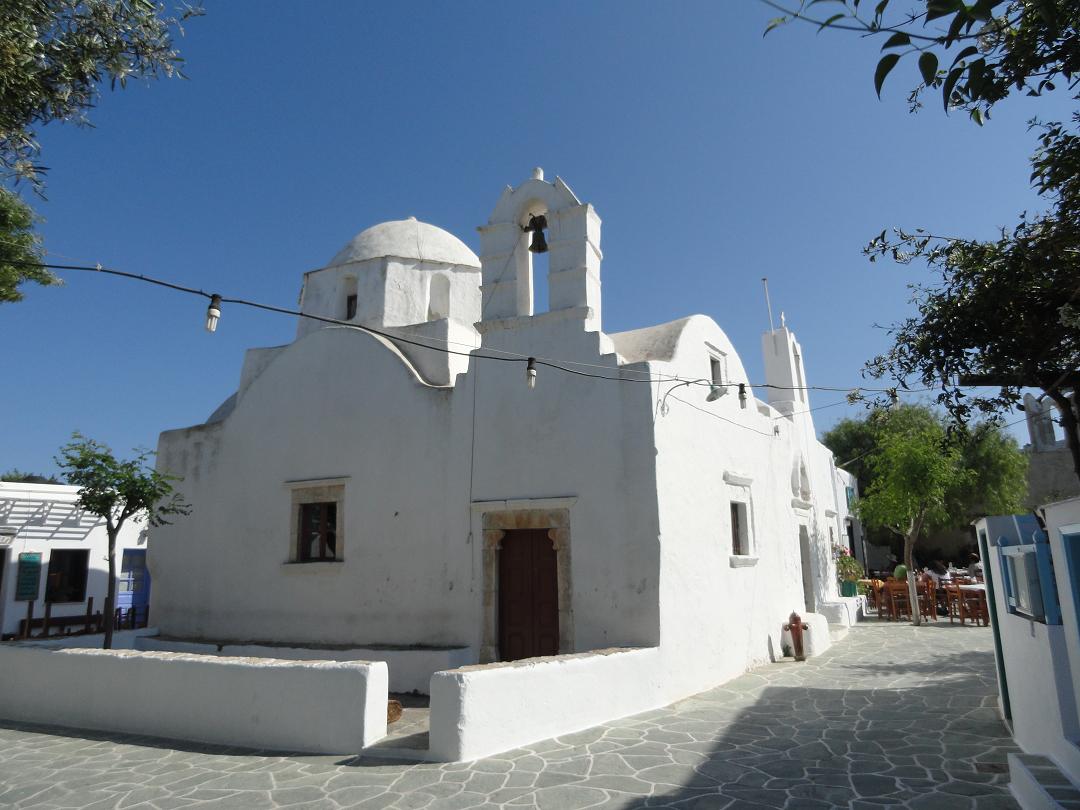
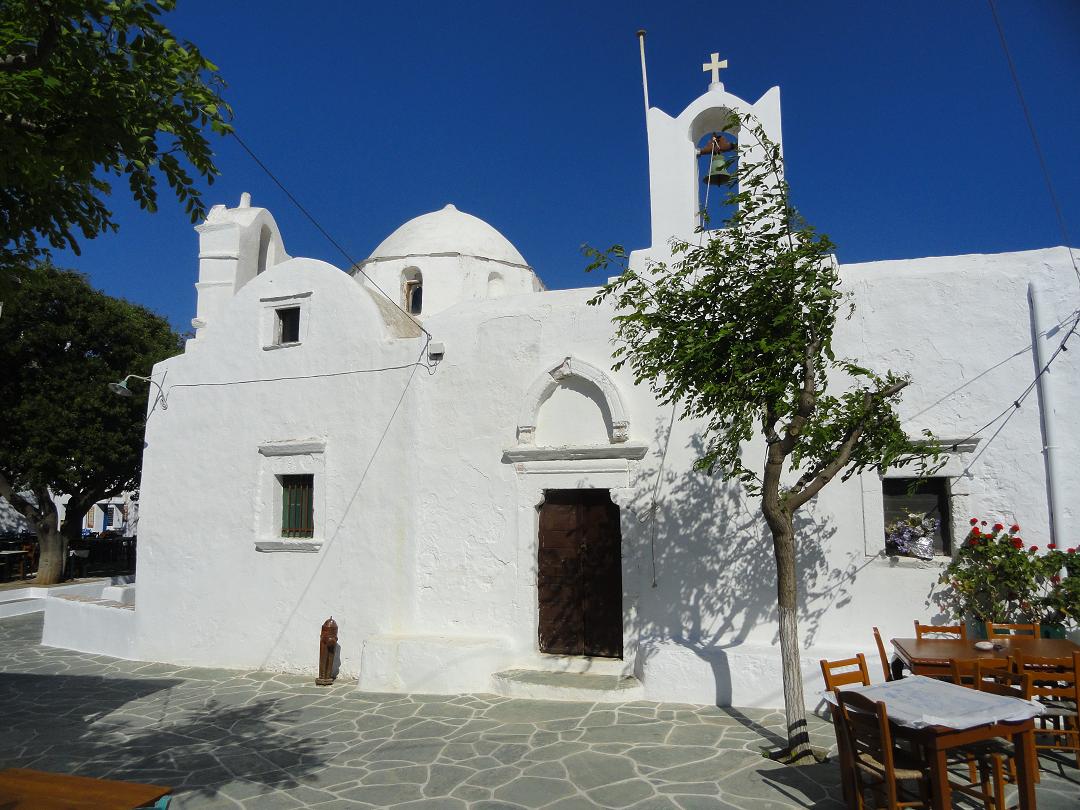
Chora, sometimes called Folegandros Town, lies at 3 km distance of the port. This village is the only "large" settlement on the island. It is an attractive typical Cycladic town with white cubic houses and it is set on the top of a 200 meter high cliff. Chora is a cosy mix of old white houses and small churches that are set around a couple of squares. Lots of trees take care of the shade and pots with flowers brighten up the streets. The village is sometimes compared to Mykonos Town, with narrow streets, white houses and pretty churches, but without the crowds of Mykonos Town. Chora has bars & restaurants, shops, a post office, a petrol station, an ATM machine (no bank), a pharmacy, a car rental, a bakery and a couple of small grocery stores where you can buy fresh food. |
 |
 |
 |
 |
 |
 |
 |
 |
 |
 |
|
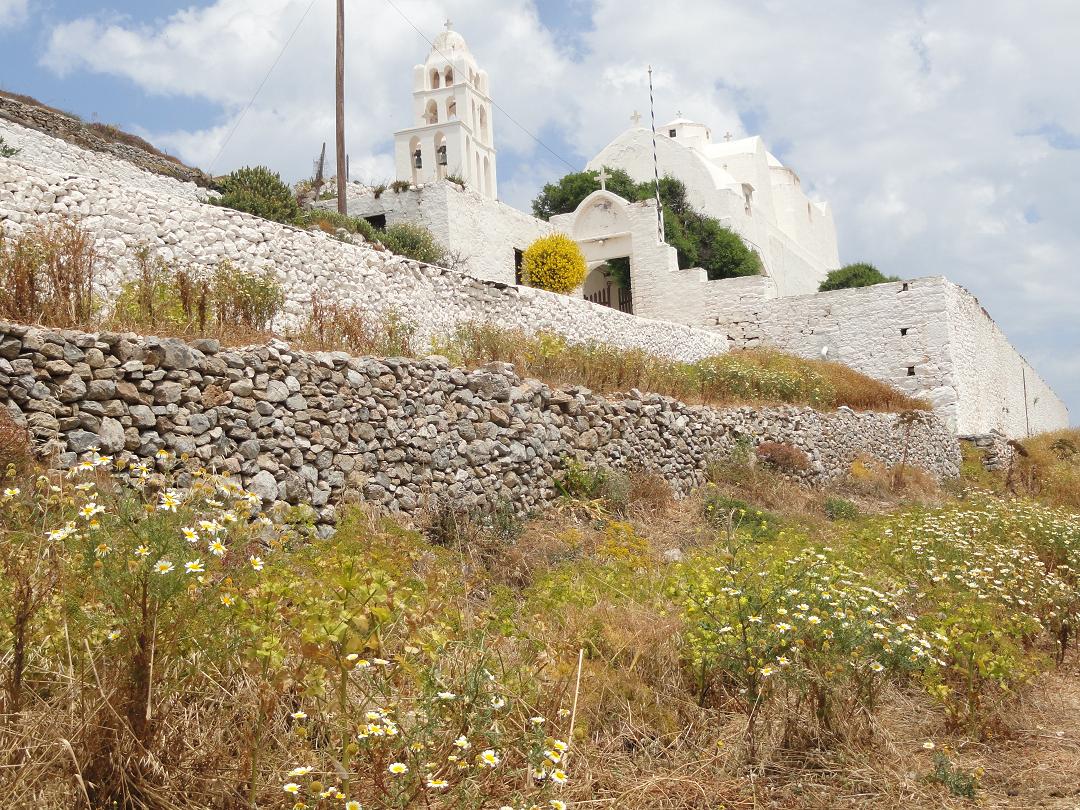
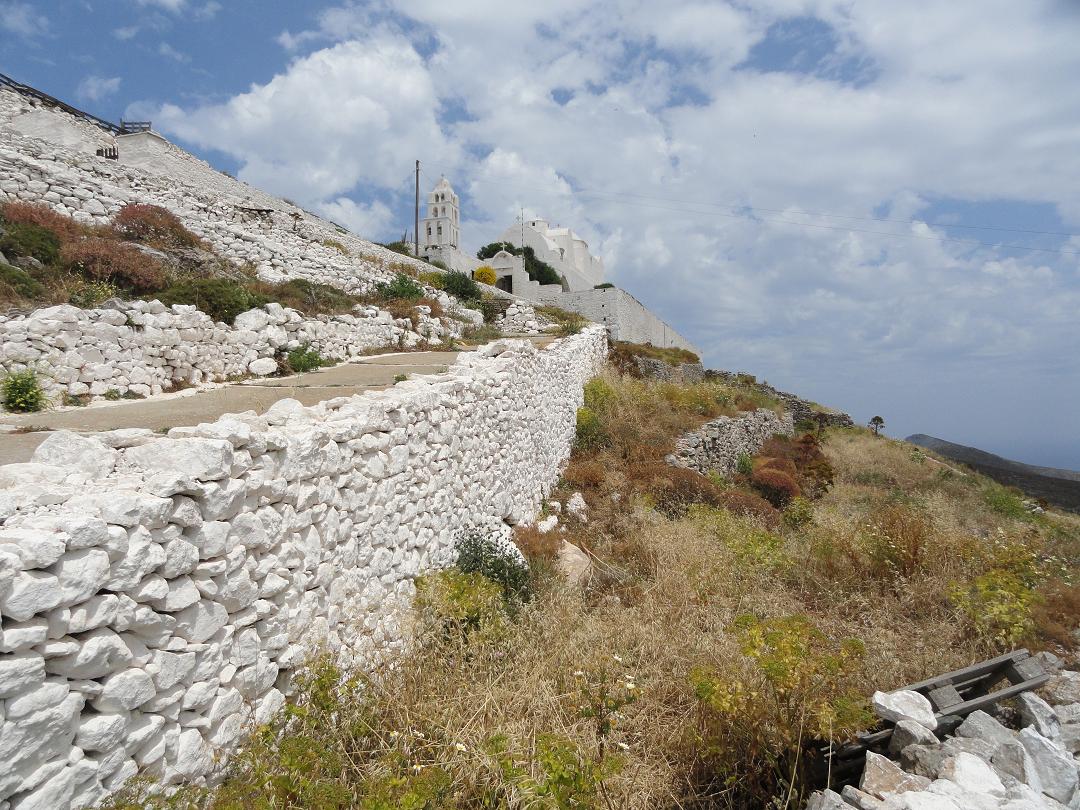
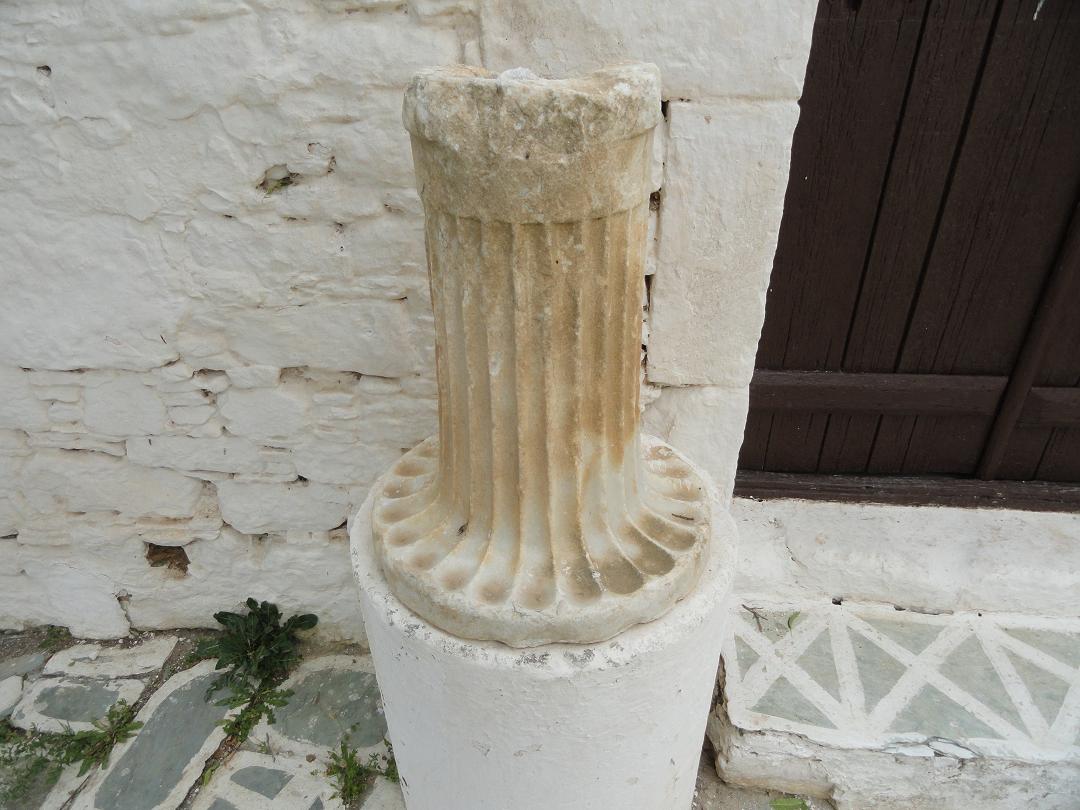
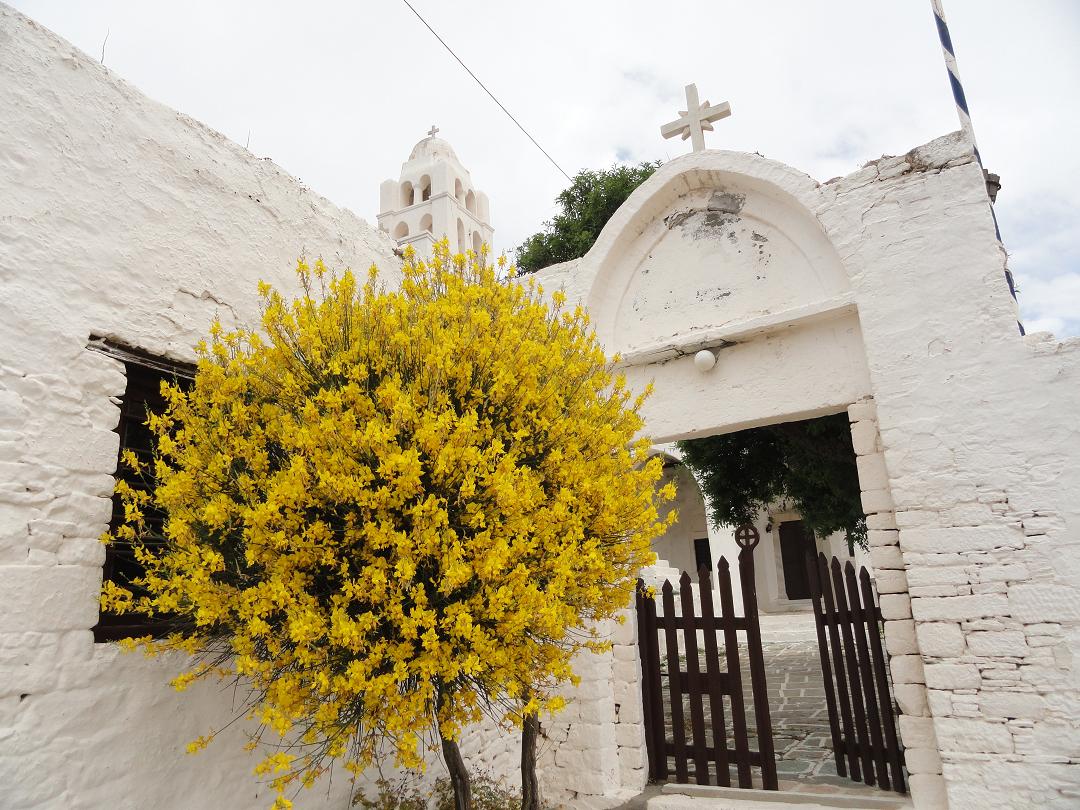
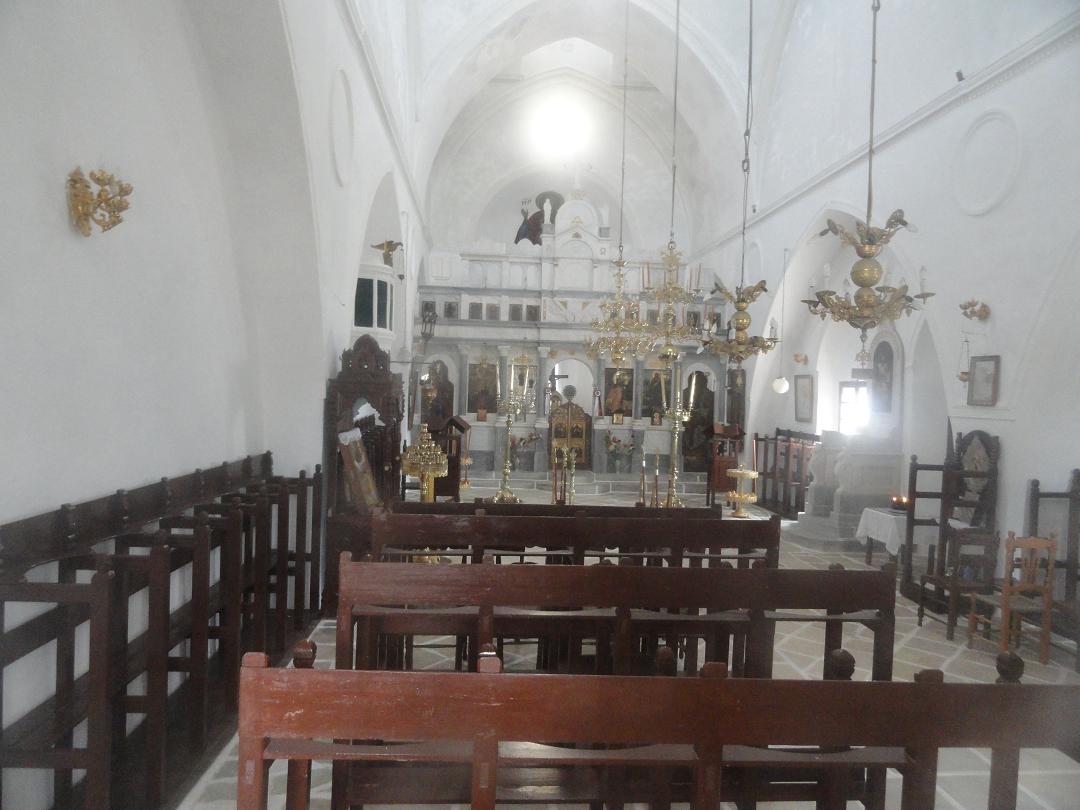
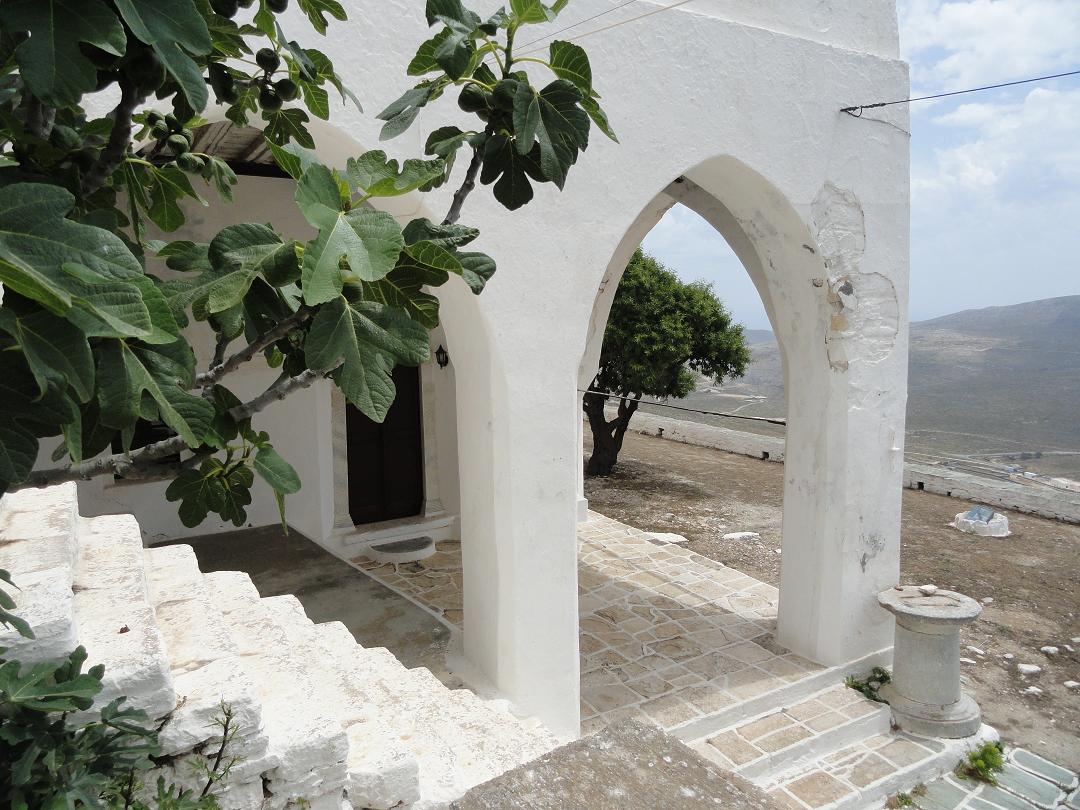
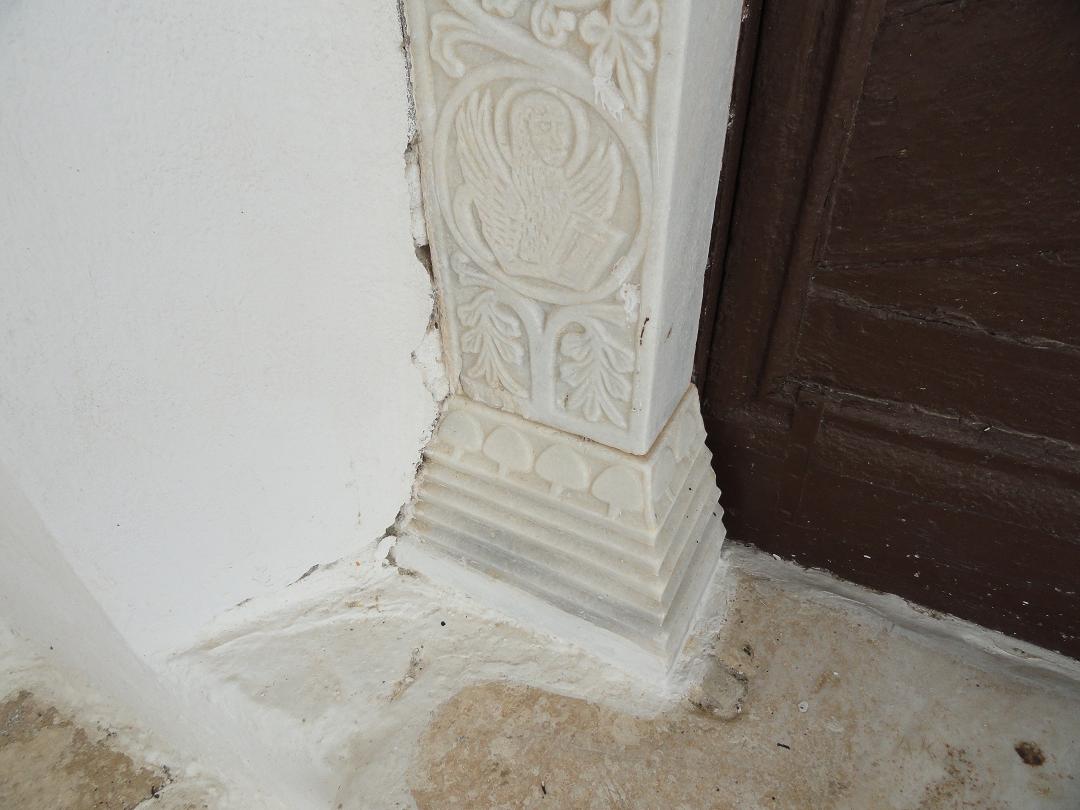
On the northeast side of Chora on a cliff hill stands the beautiful 19th century white Panagia Church on the foundations of ancient city walls and an ancient sanctuary / temple of Artemis. Old stones from the temple ruins were used to build the church. The church is dedicated to the Assumption of the Virgin Mary and was built after an islander miraculously saved a silver icon from some pirates (and these all drowned). This icon of the Virgin Mary can still be seen inside the church. The inside of the Panagia is very attractive and defenitely worth a visit. You can see ancient inscriptions and bases of statues from the Artemis temple in the interior and at the courtyard wall of the church. From the hill where the church is situated there are wonderful views over Chora, the island of Folegandros and the sea. Note: off course this church was closed (as most of the churches in Greece are) and we haven't heard of anybody that was there at a day or time when it was open. So no icon of Virgin Maria for us or anybody else. There are a few remains of the temple outside (columns, part of a statue) that you can take a look at. The picture of the inside of the church was made with the camera through a window and it shows quite clearly what it looks like (in fact it shows more than if you just peek through the window yourself). |
 |
 |
 |
 |
 |
 |
 |
 |
 |
 |
|
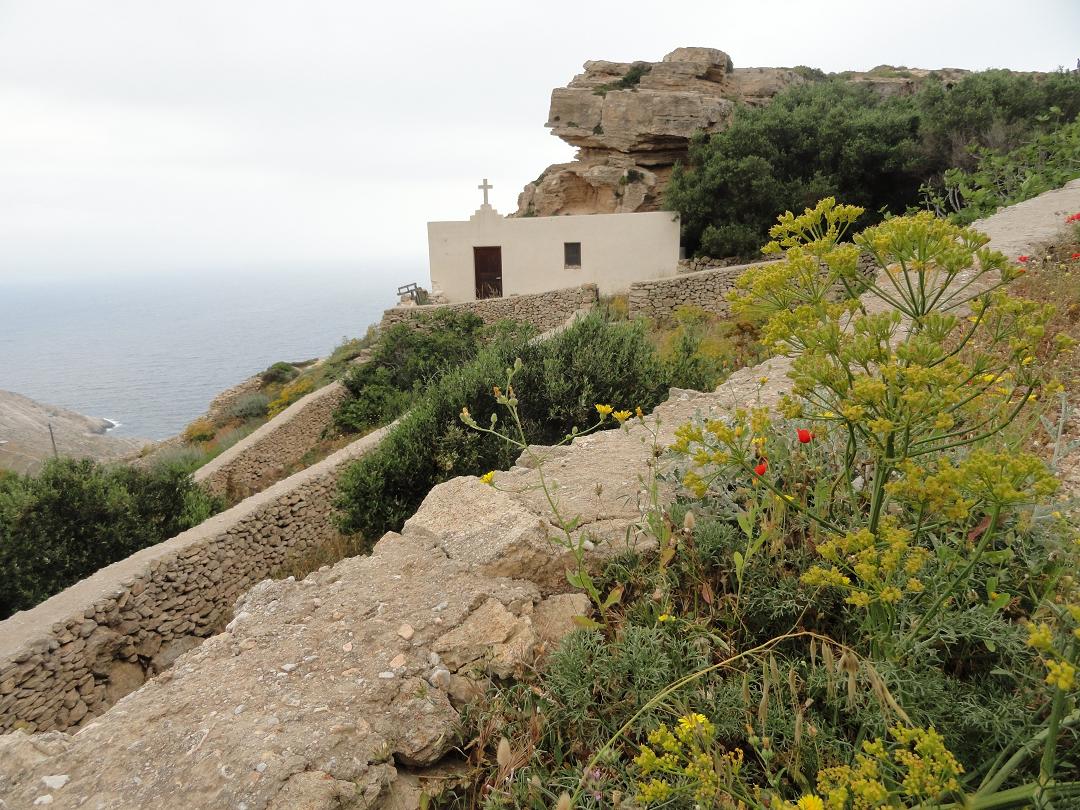
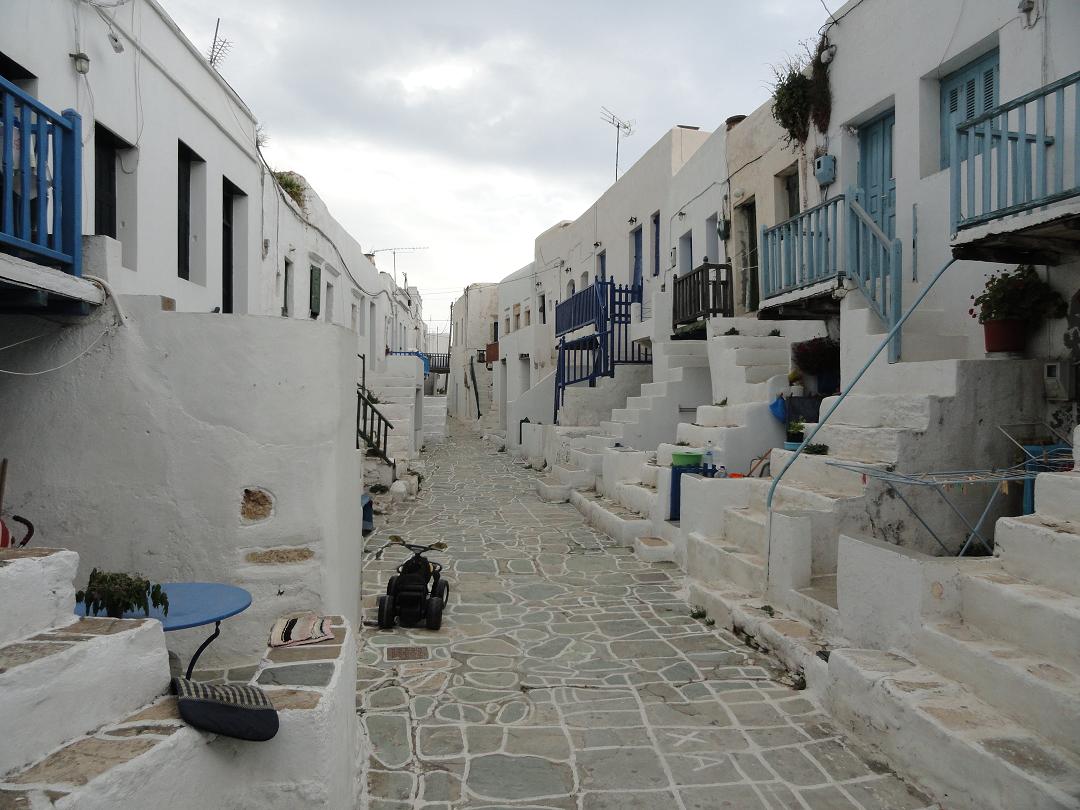
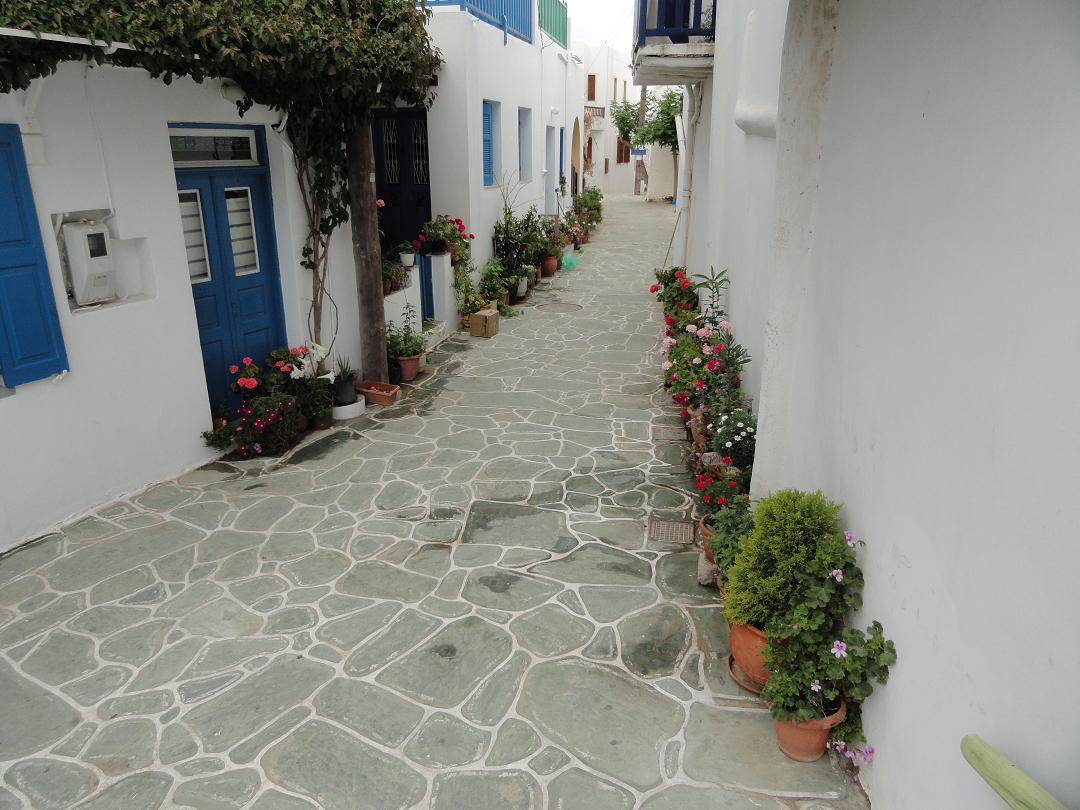
From Chora there are paths leading down but you have to be careful because people have been reported as fallen off these cliffs never to be found again. The part with the main attraction, the best preserved medieval "Kastro" of the Cyclades (the other well preserved one can be found in Antiparos) is the prettiest part of the village. It was built by Marco Sanudo, the Duke of Naxos and can be entered through an arcade. The ancient kastro that dates from 1212 AD consists of a number of houses built around a square and some streets in such a way that they make a fortress together. They were built this way so the inhabitants could protect themselves against pirate attacks. The old whitewashed houses, brightly coloured balconies and pretty flower filled streets make this the most picturesque part of the village. |
 |
 |
 |
 |
 |
 |
 |
 |
 |
 |
|
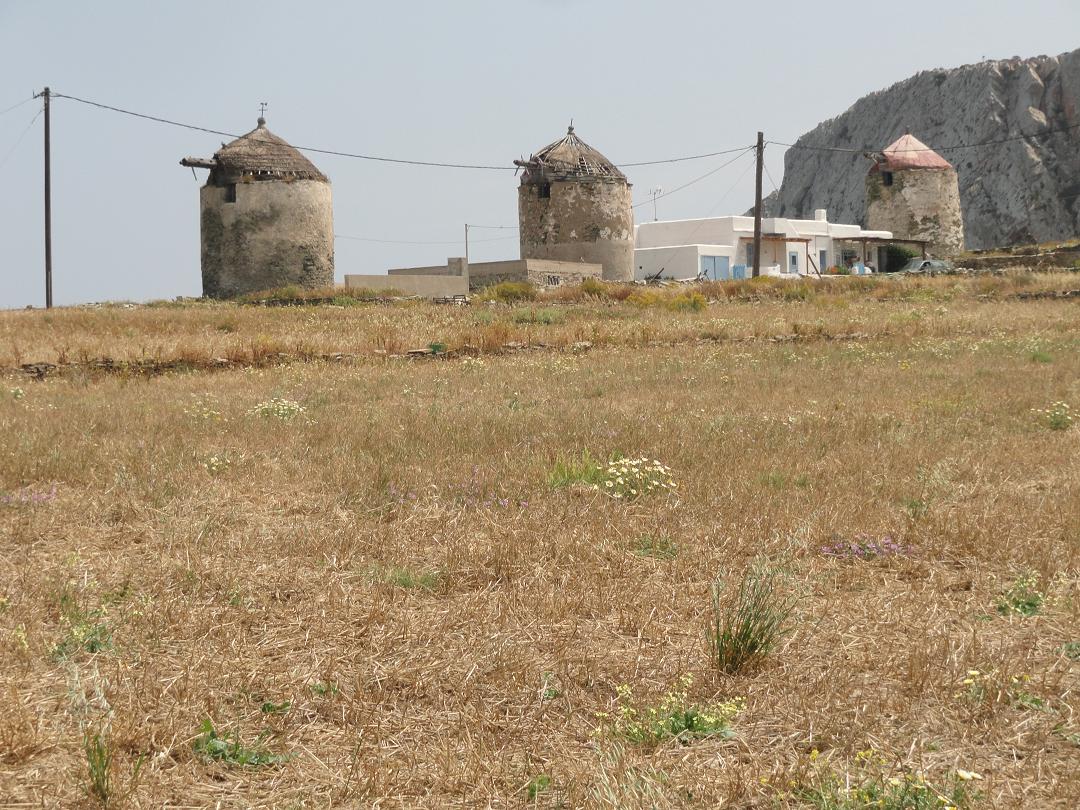
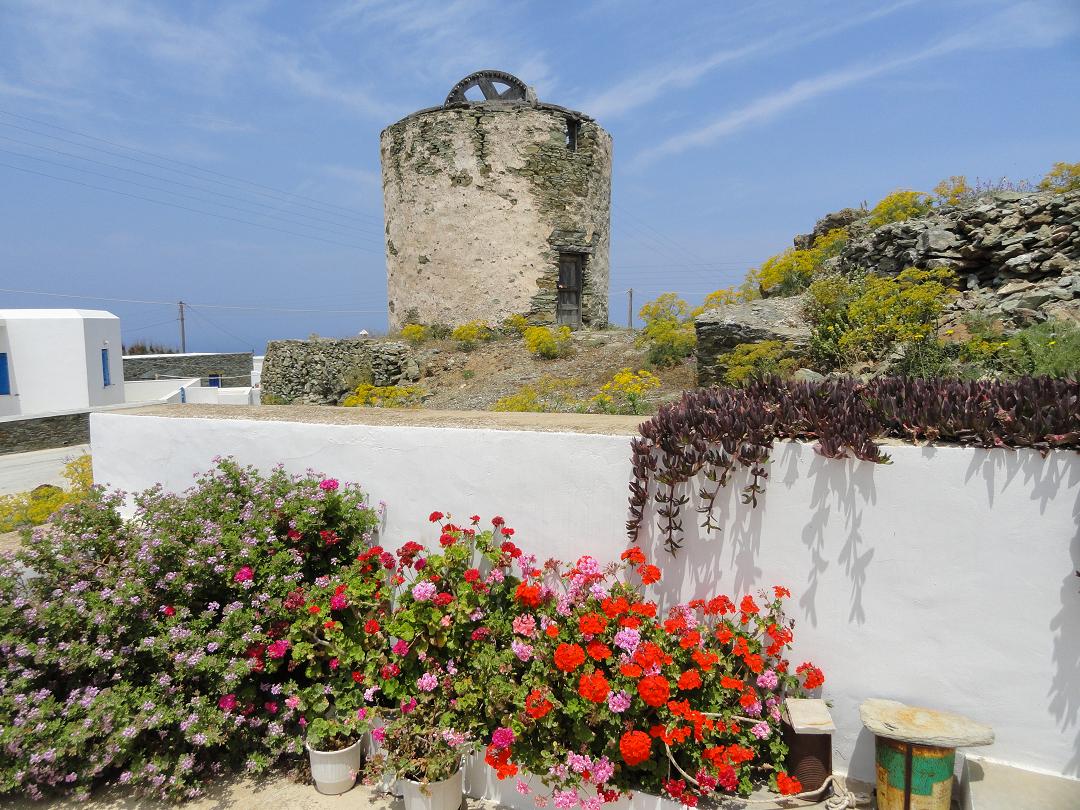
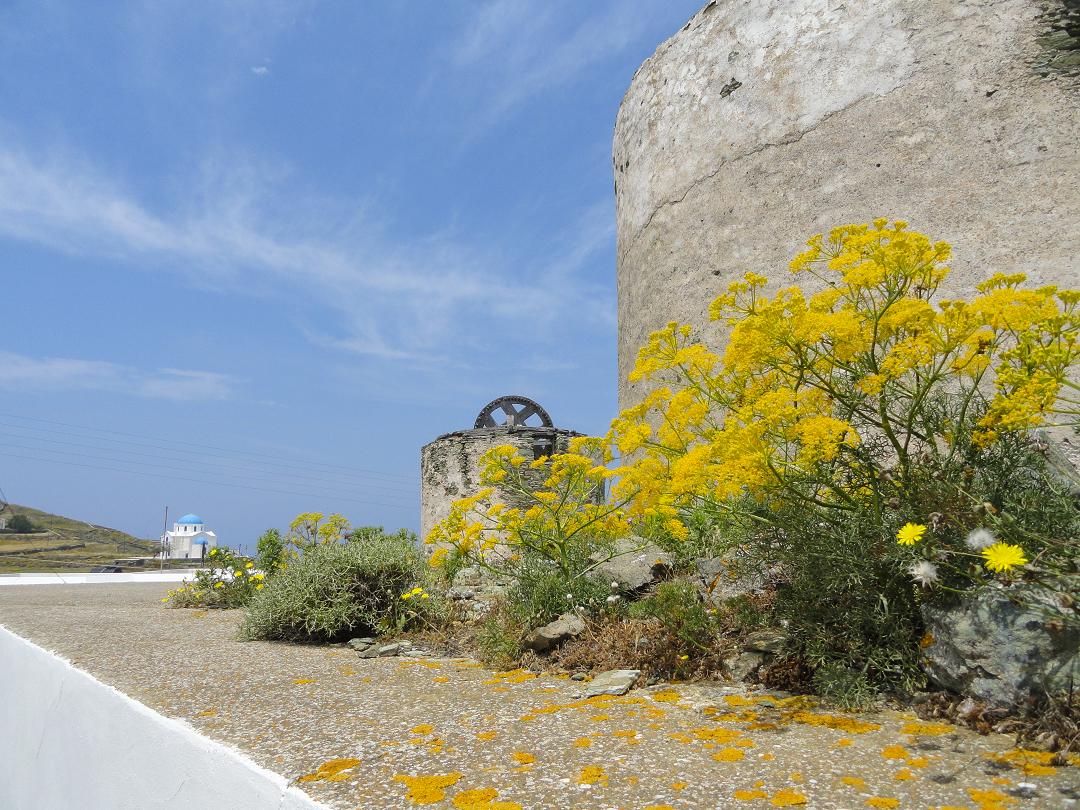
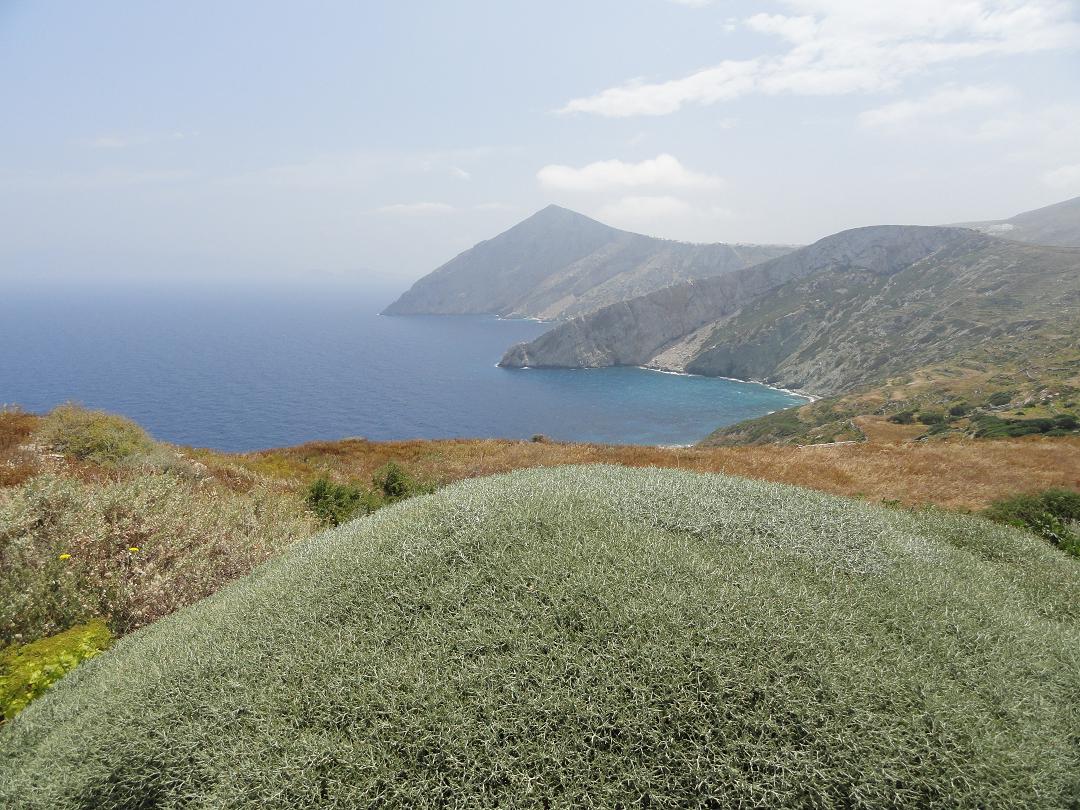
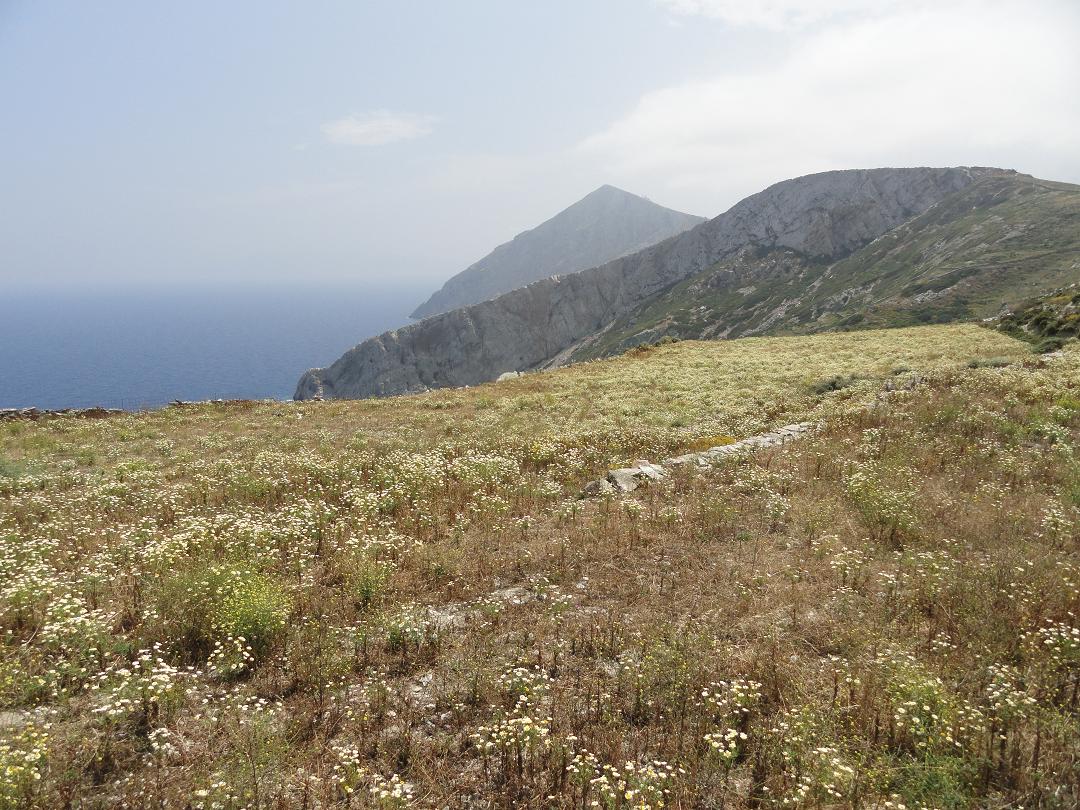
Most of the (up-market) hotels and apartments can be found along the main road leading towards the village. After Chora the road goes on to the smaller village of Ano Meria (sometimes connected by bus). The village of Ano Meria holds nothing spectacular but the road leading towards it is interesting. There are many windmills and there are great views over the sea to the islands of Serifos and Crete. In Ano Meria you can find the only museum of the island, a Folk Museum. Folegandros is an island for walking and looking at the views as you go over the mountains. You can for instance walk from Chora to Ano Meria (and than maybe a nearby beach - there is a bus back to Chora at 17.00 o'clock) or to not so far away Agali Beach and take a bus back, but it is also nice to rent a car for at least one day like we did, so you get the chance to explore the island a little better and faster. |
 |
 |
 |
 |
 |
 |
 |
 |
 |
 |
| Beaches on the island of Folegandros |
|
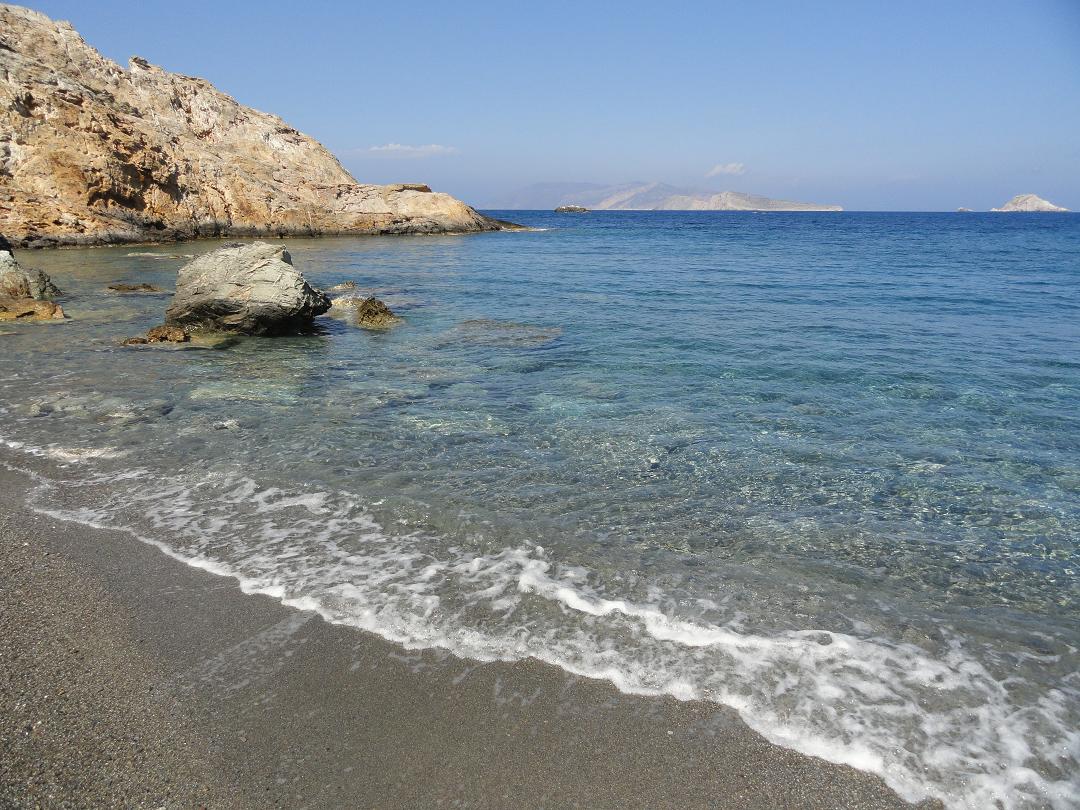
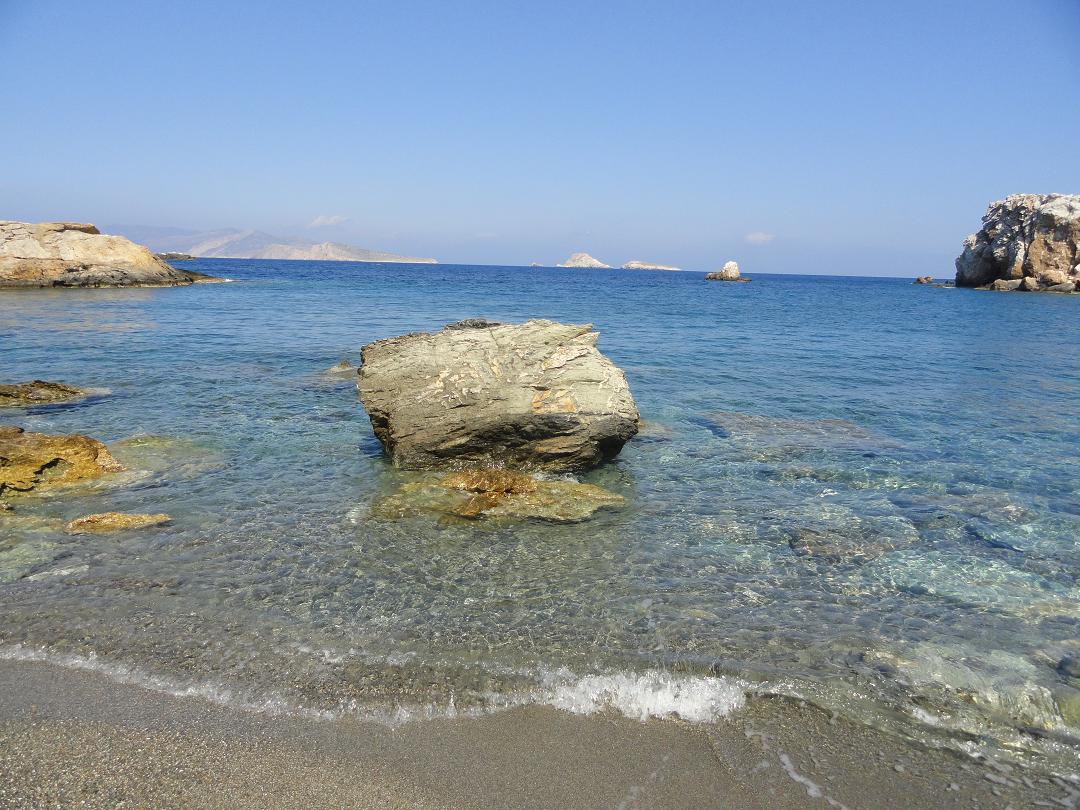
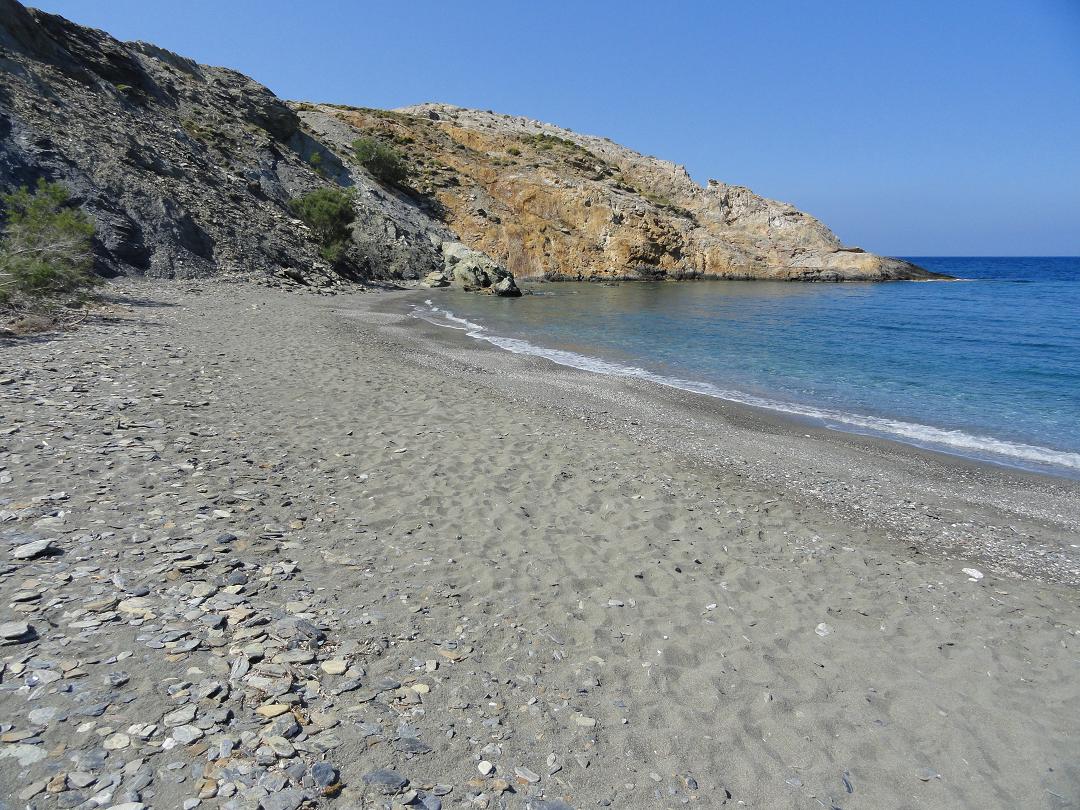
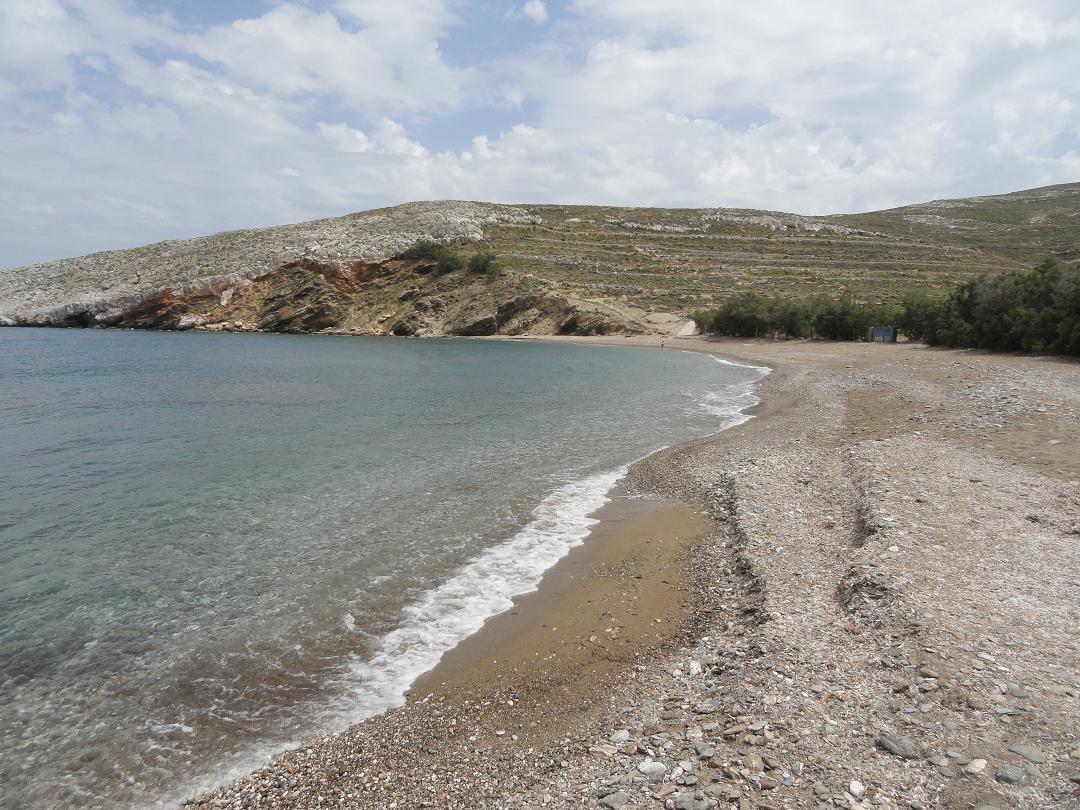
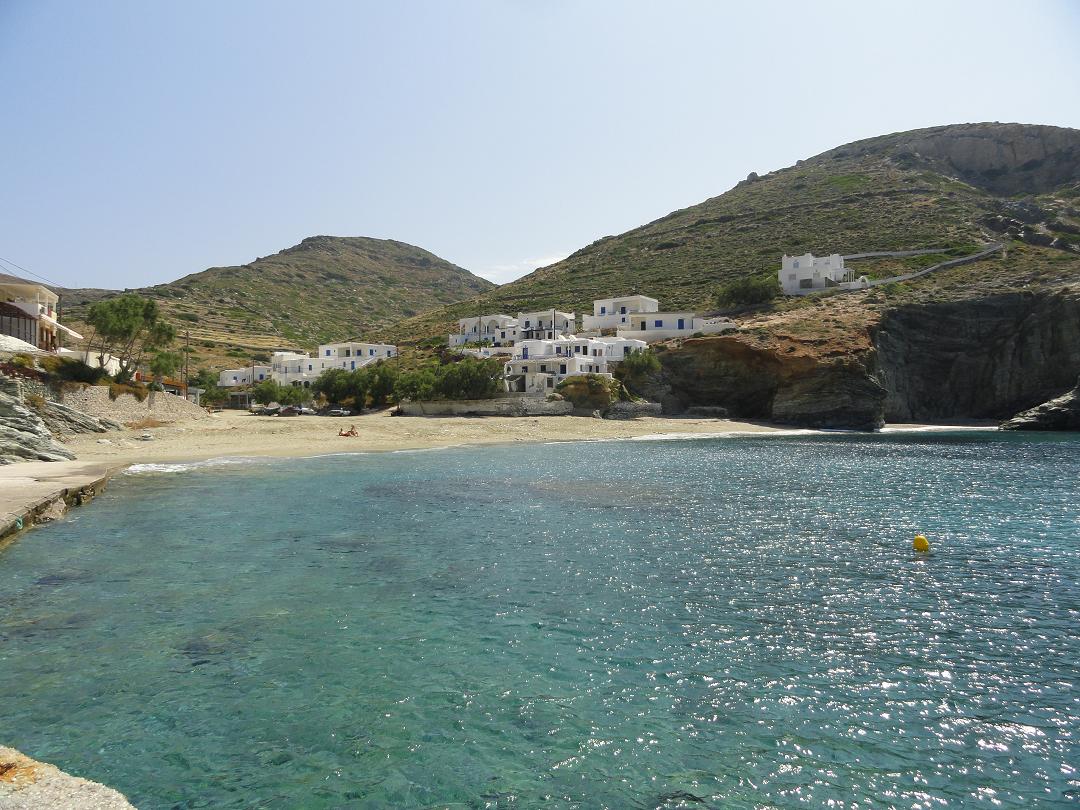
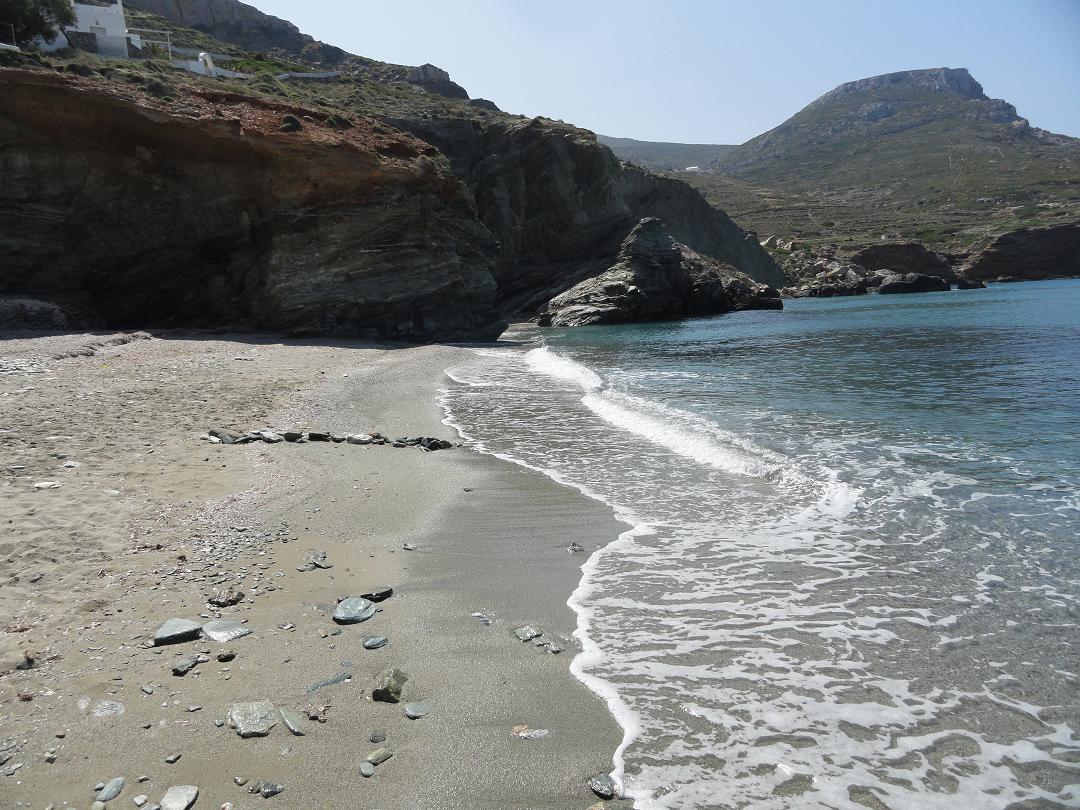
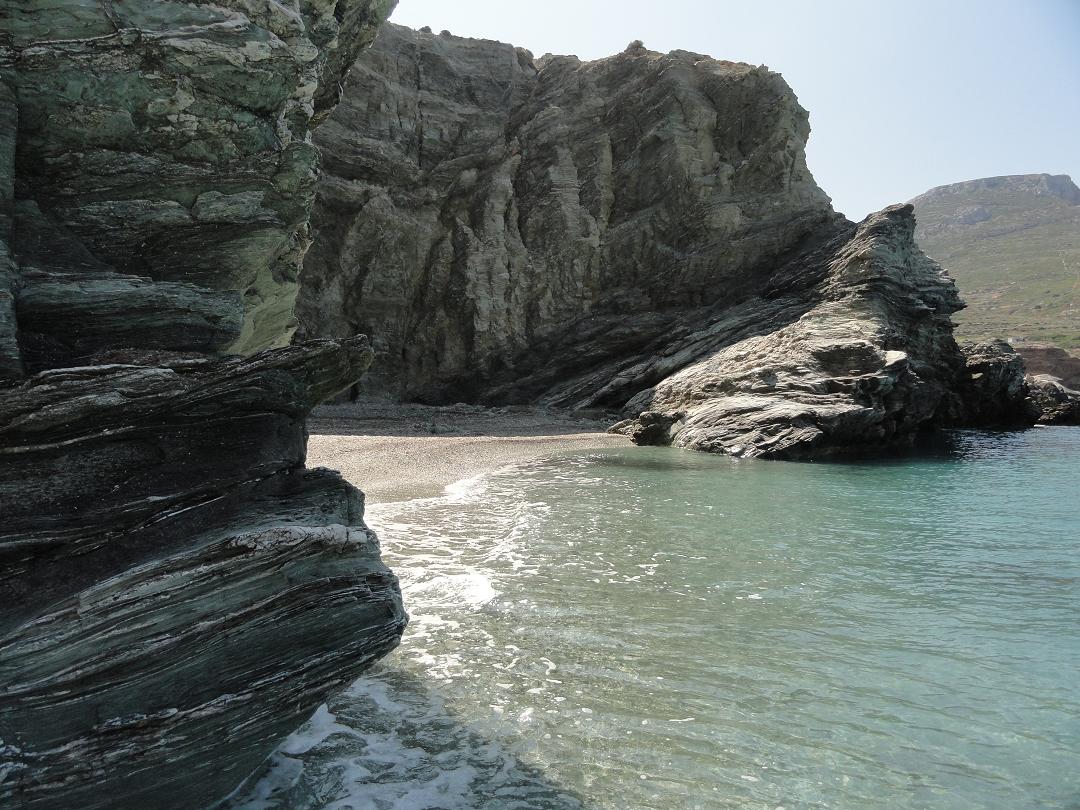
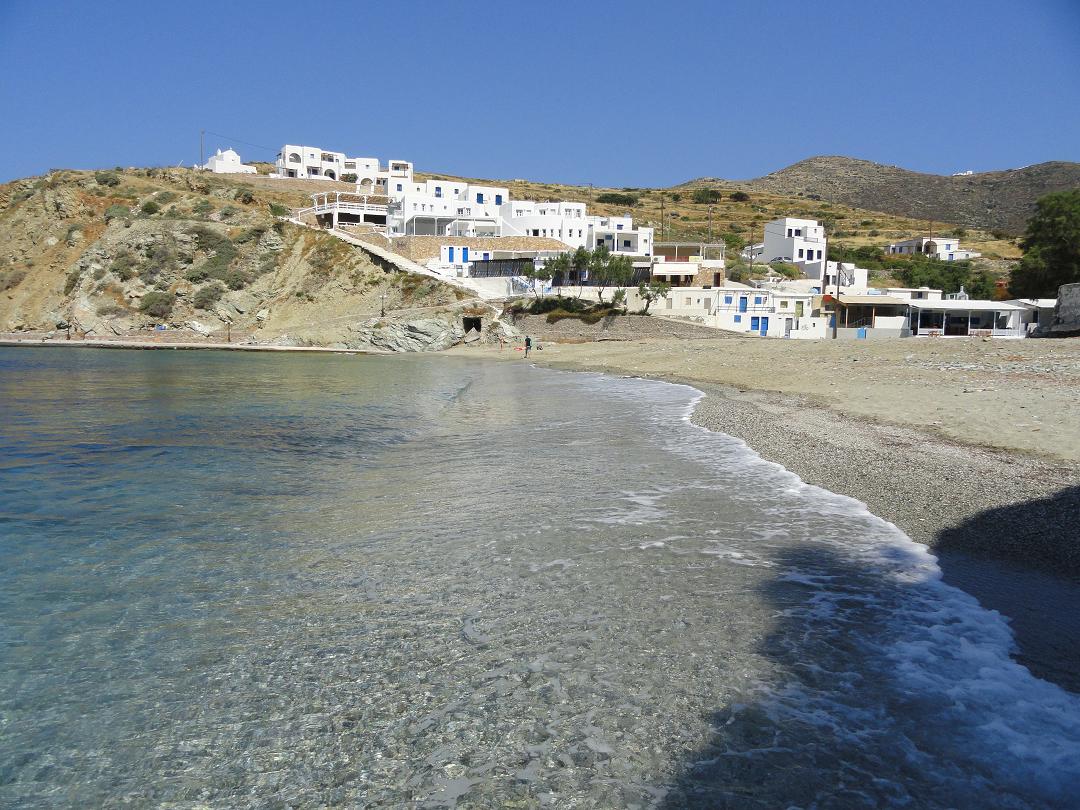
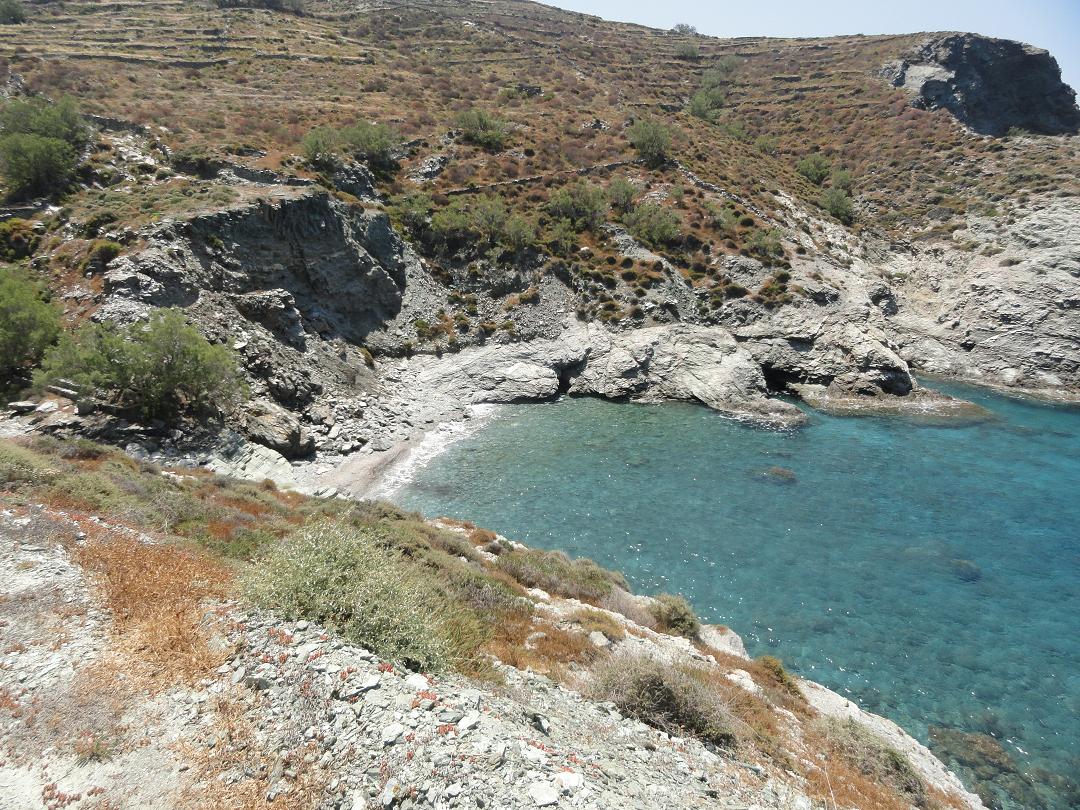
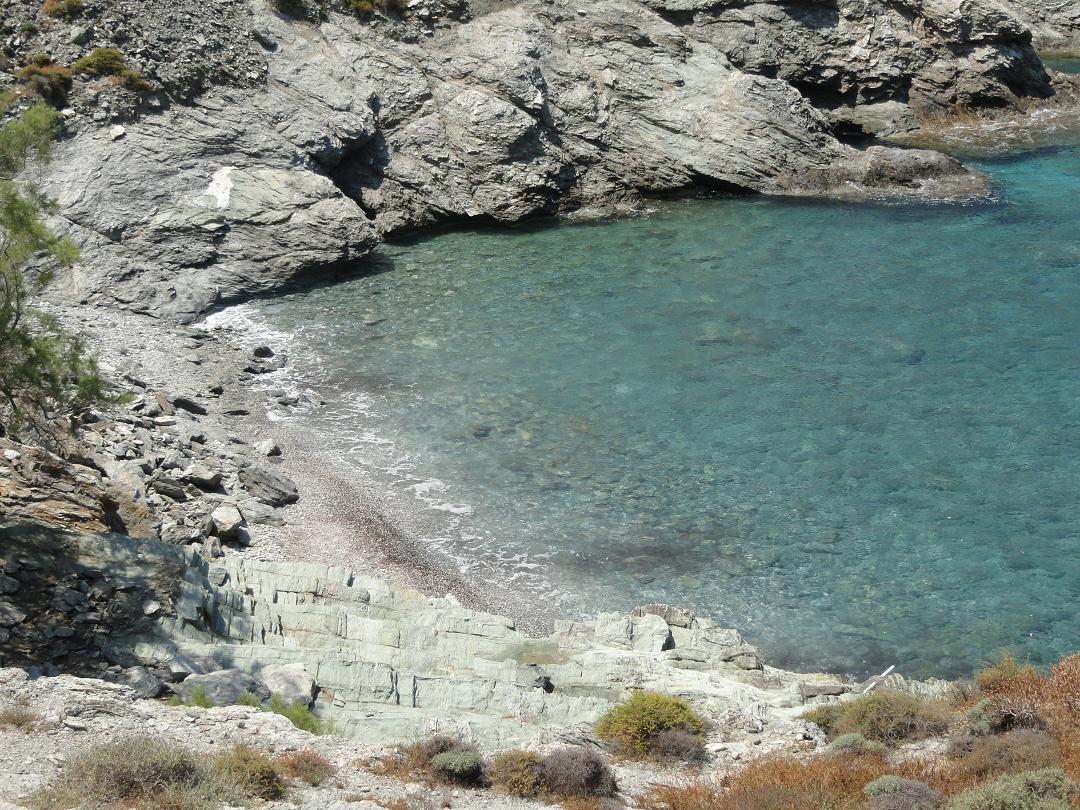
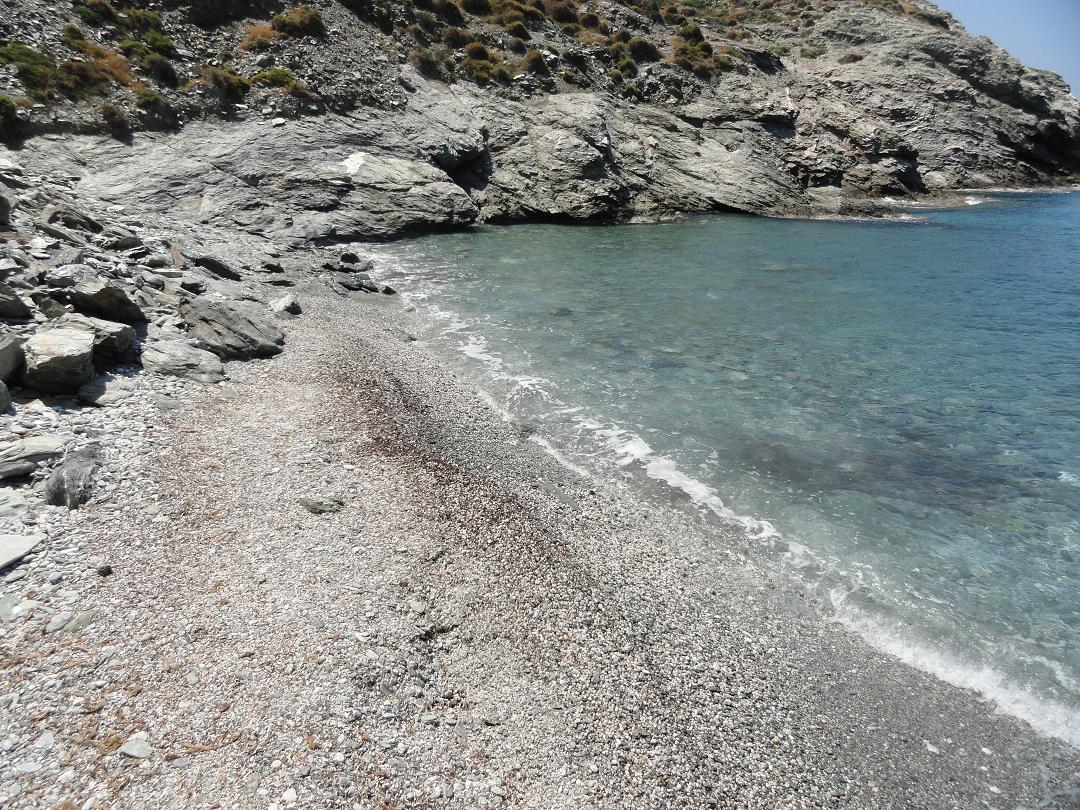
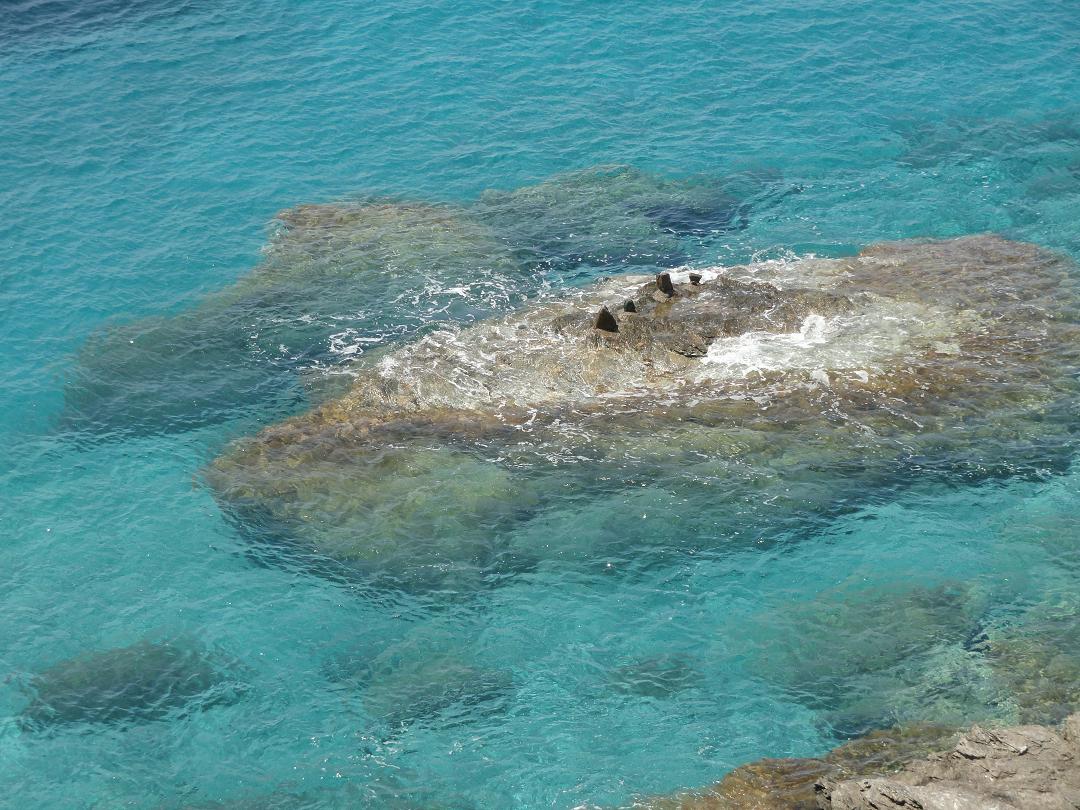
Besides the village pebble beaches in the port of Karavostasis and the beach near the camping at Livadi (plus small beaches in between), there are several other beaches on the island of Folegandros. At a little under an hours walk from Chora there is the very good sand beach of Agali (sometimes called "Vathi", sometimes written as Agkali or Ankali - you know the Greek ways of clearly giving a place or a beach a name). At this beach there are a couple of tavernas that also offer rooms for rent. |
 |
 |
 |
 |
 |
 |
 |
 |
 |
 |
|
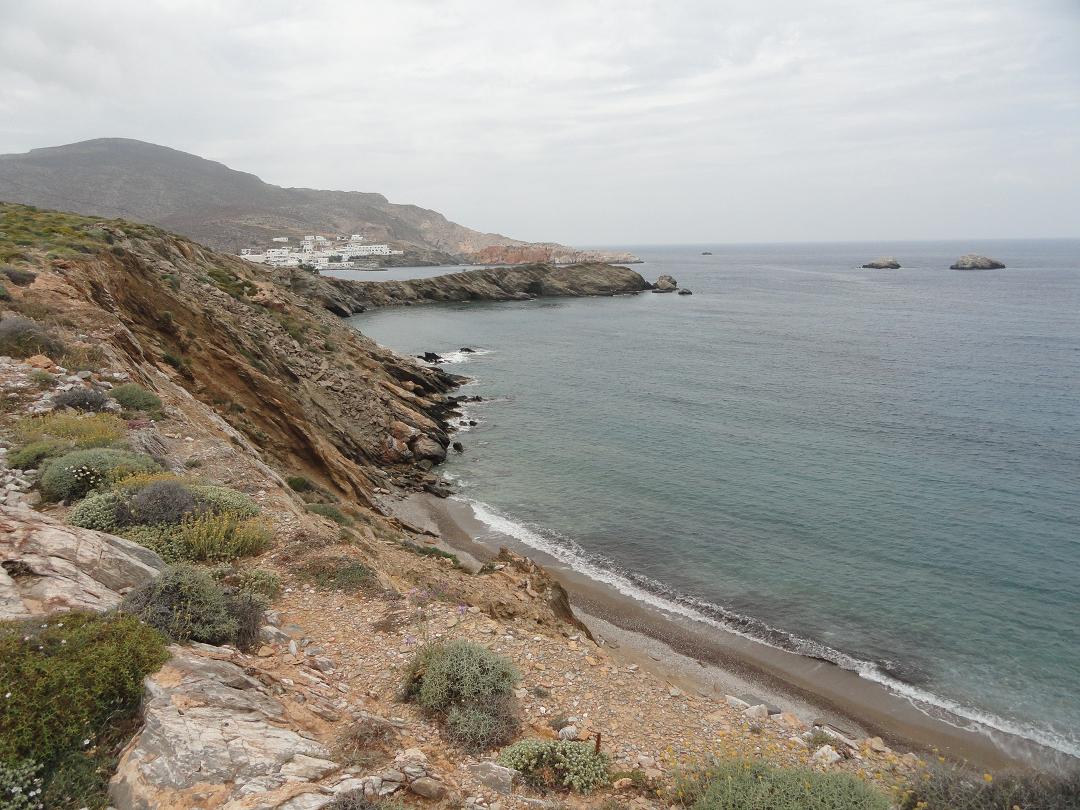
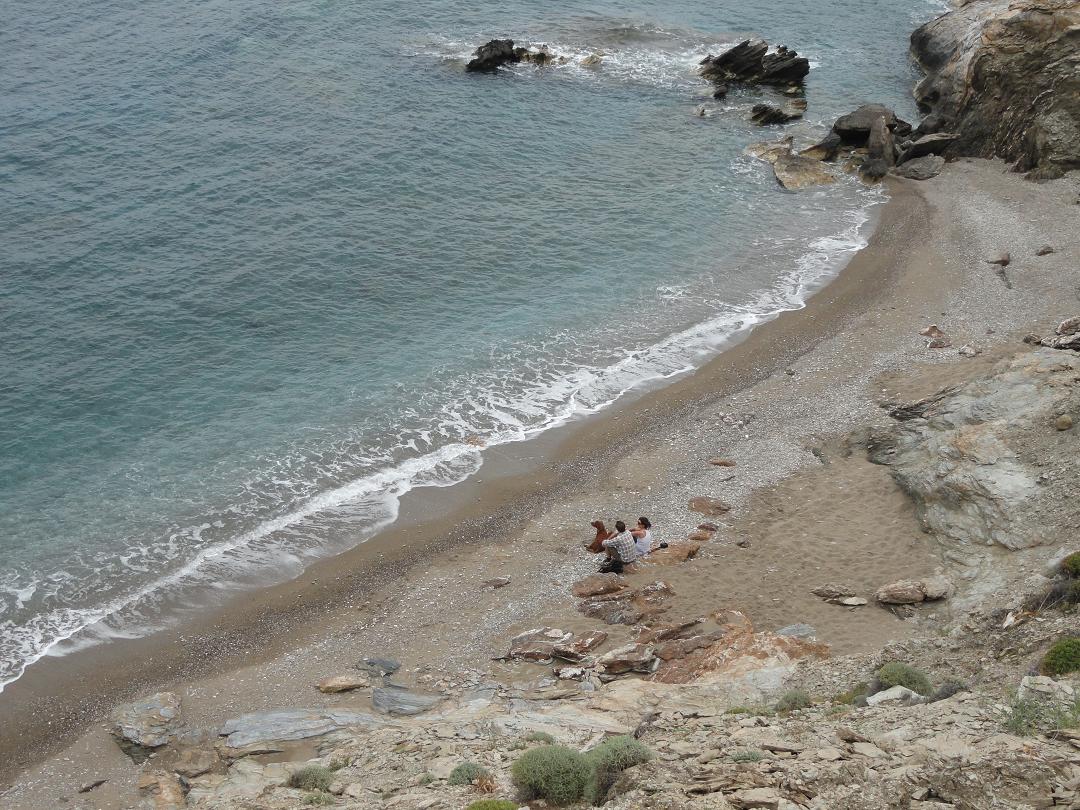
From Agali beach leads a path to another good beach, the beach of Agios Nikolaos. In high season kaiks from Karavostasis also make excursions from the port to these two beaches. Further away in the north of Folegandros you can visit the beach of Agios Georgios (45 minutes walk from Ano Meria). Close to the final bus stop of the bus that takes you from Chora to Ano Meria you will find more paths leading you to different beaches such as Ampeli and Livadaki. Ampeli can also be reached by ATV or a good car. If you walk it takes about 30 minutes. We went there on foot and found this small beach empty. |
| ACCOMMODATIONS ON FOLEGANDROS ISLAND - HOTELS, APARTMENTS AND STUDIOS ON FOLEGANDROS |
 |
 |
 |
 |
 |
 |
 |
 |
 |
 |
| Fata Morgana Studios in the Chora of Folegandros - panoramic view and friendly staff - very nice |
|
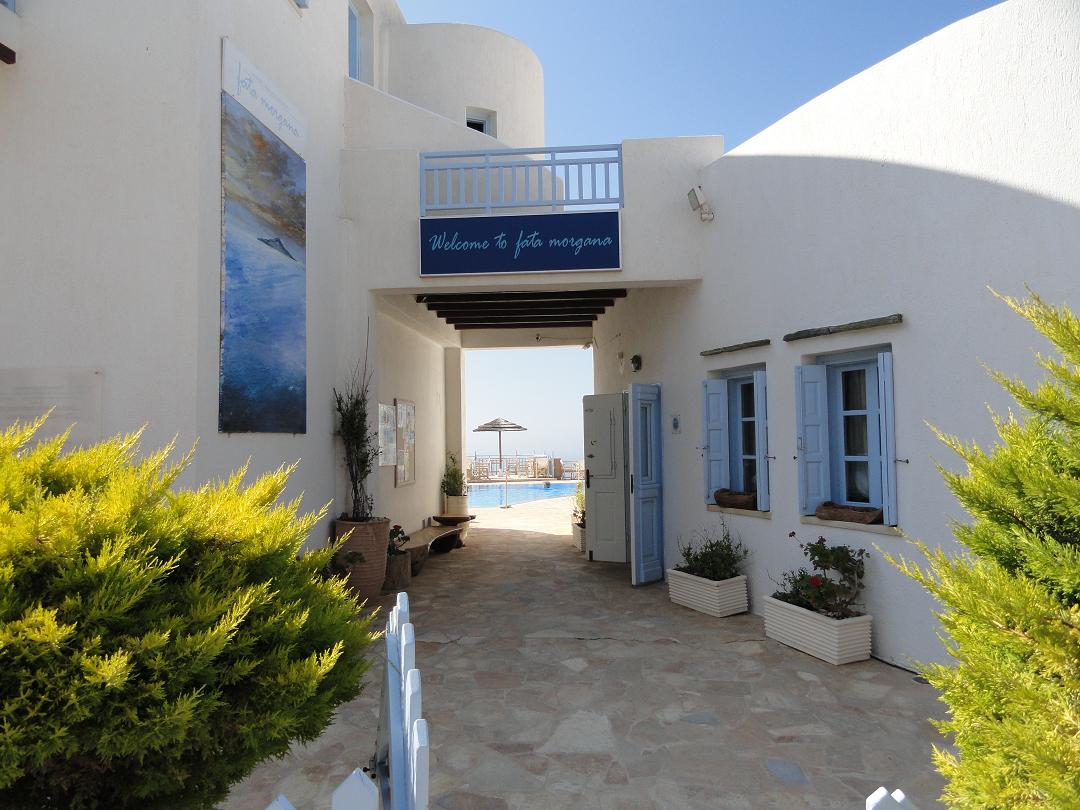
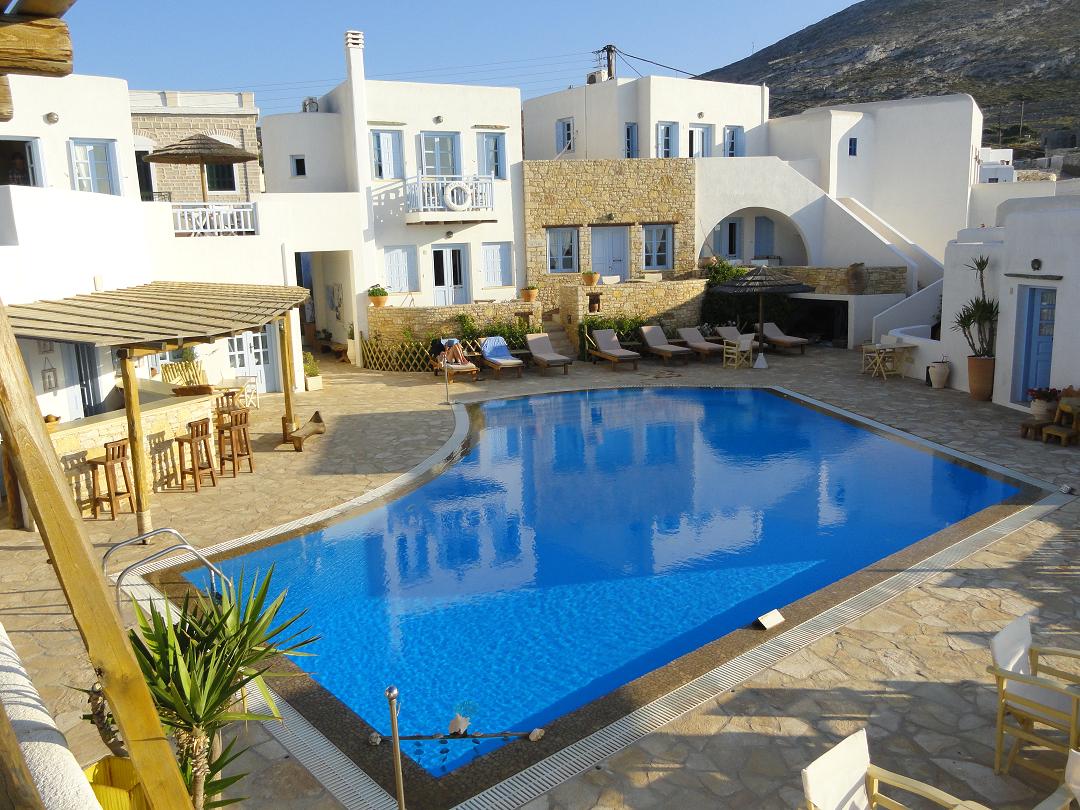
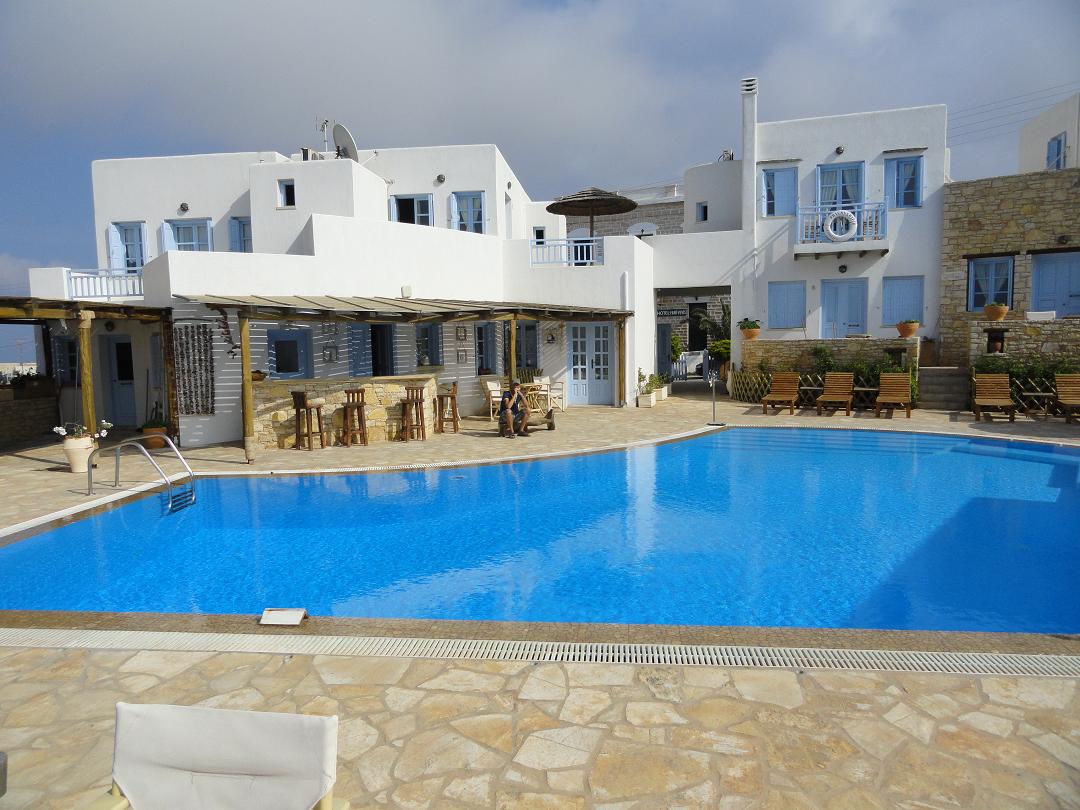
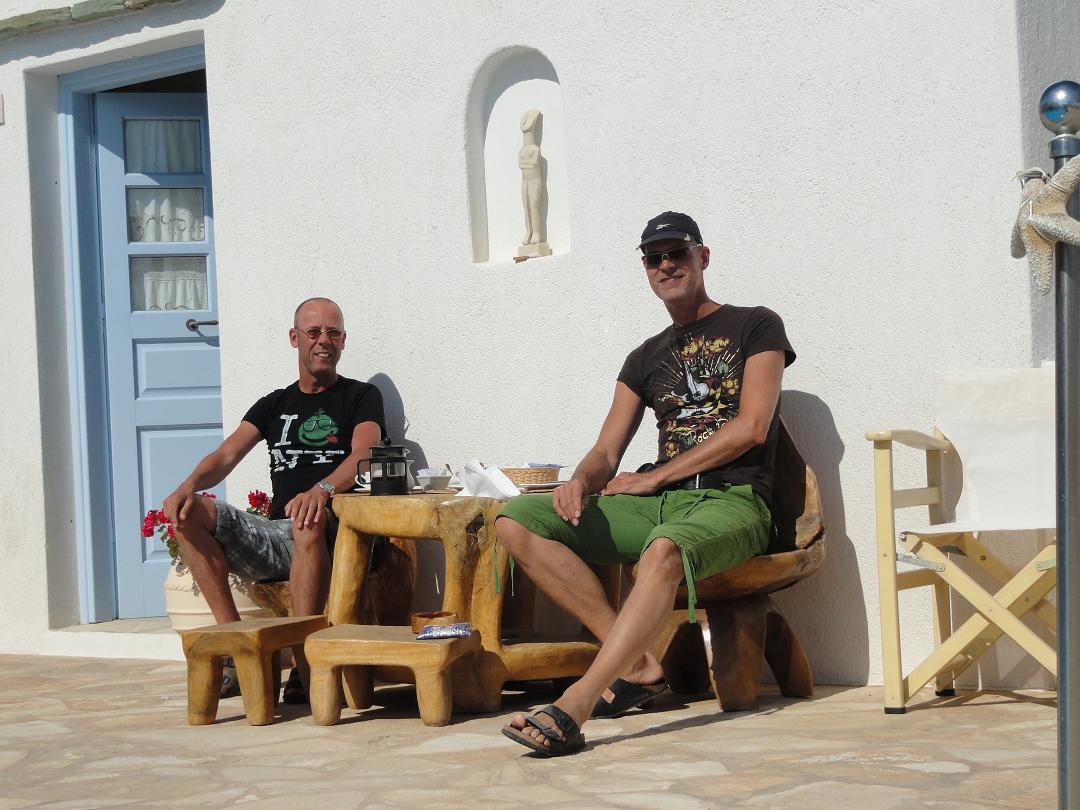
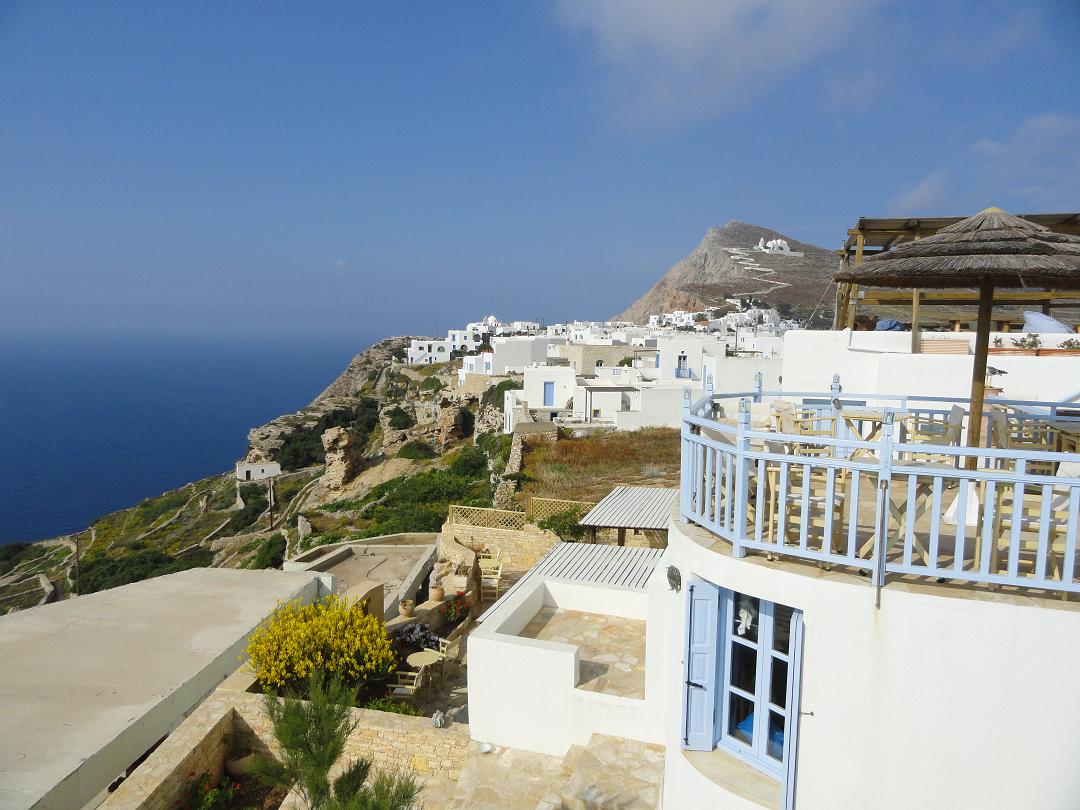
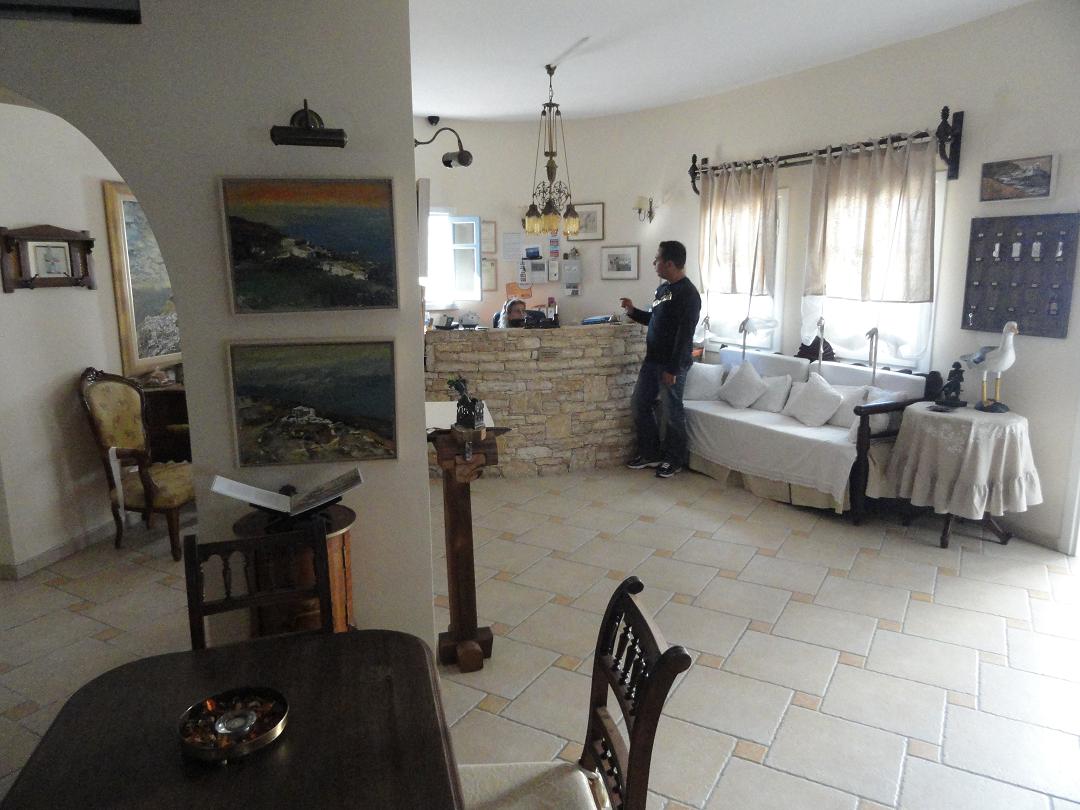
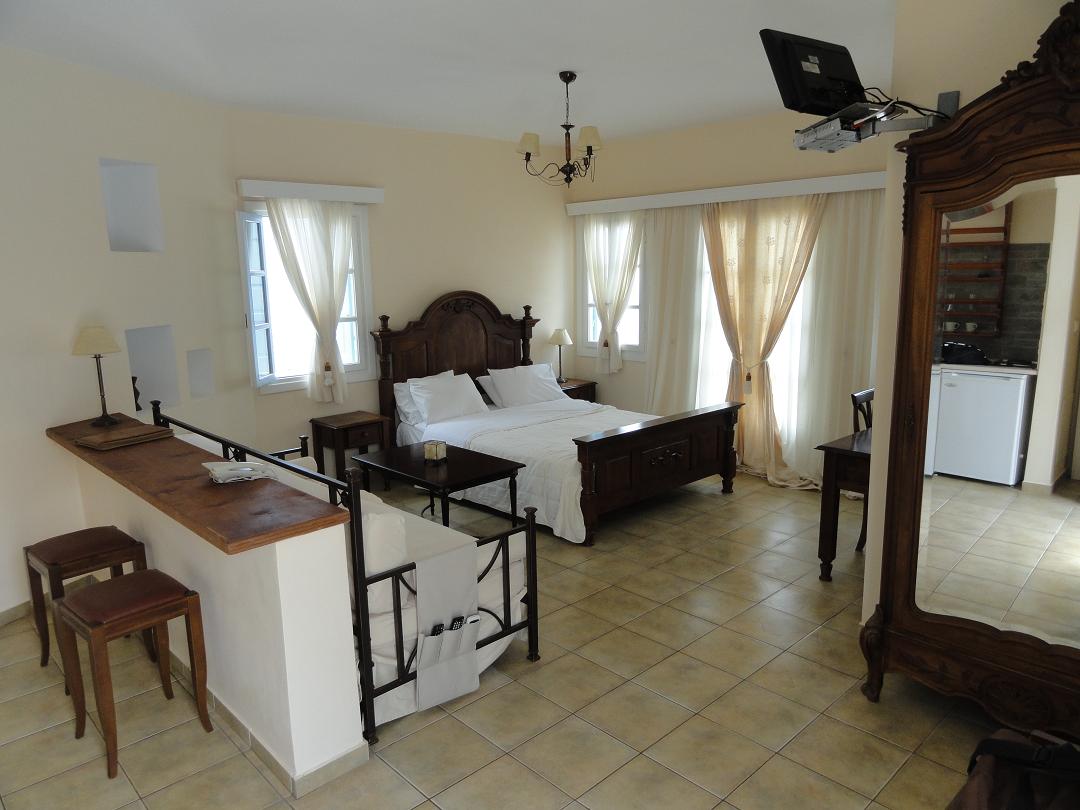
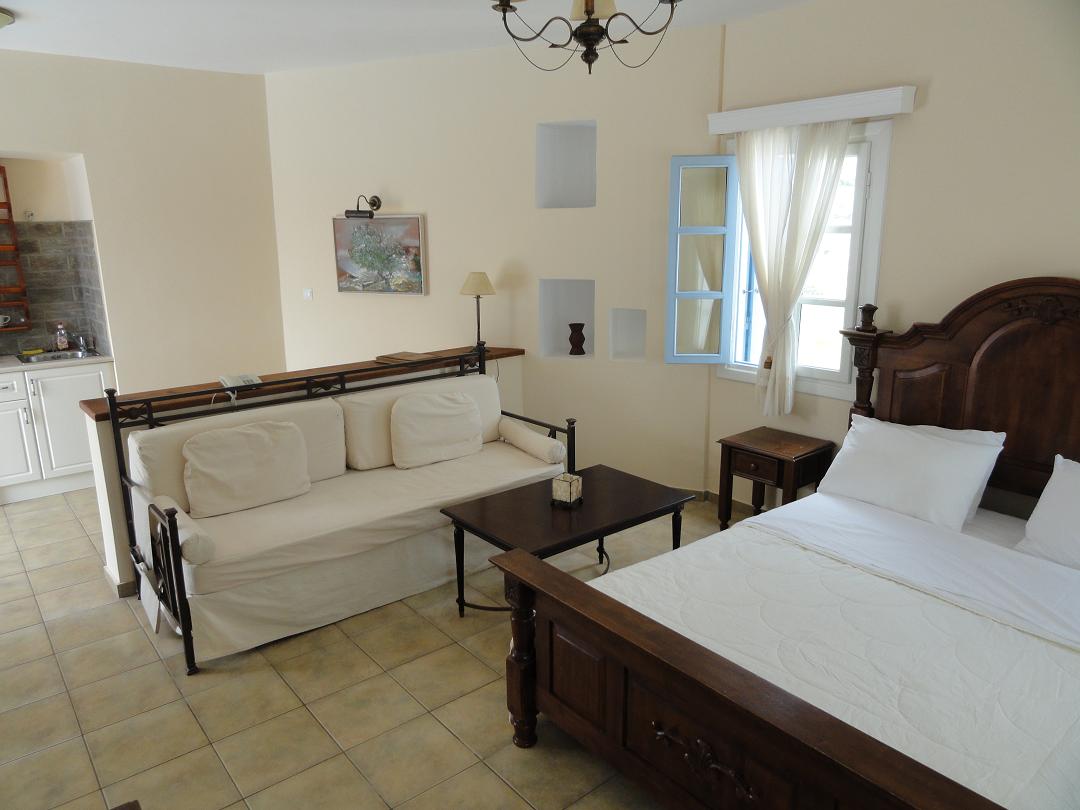
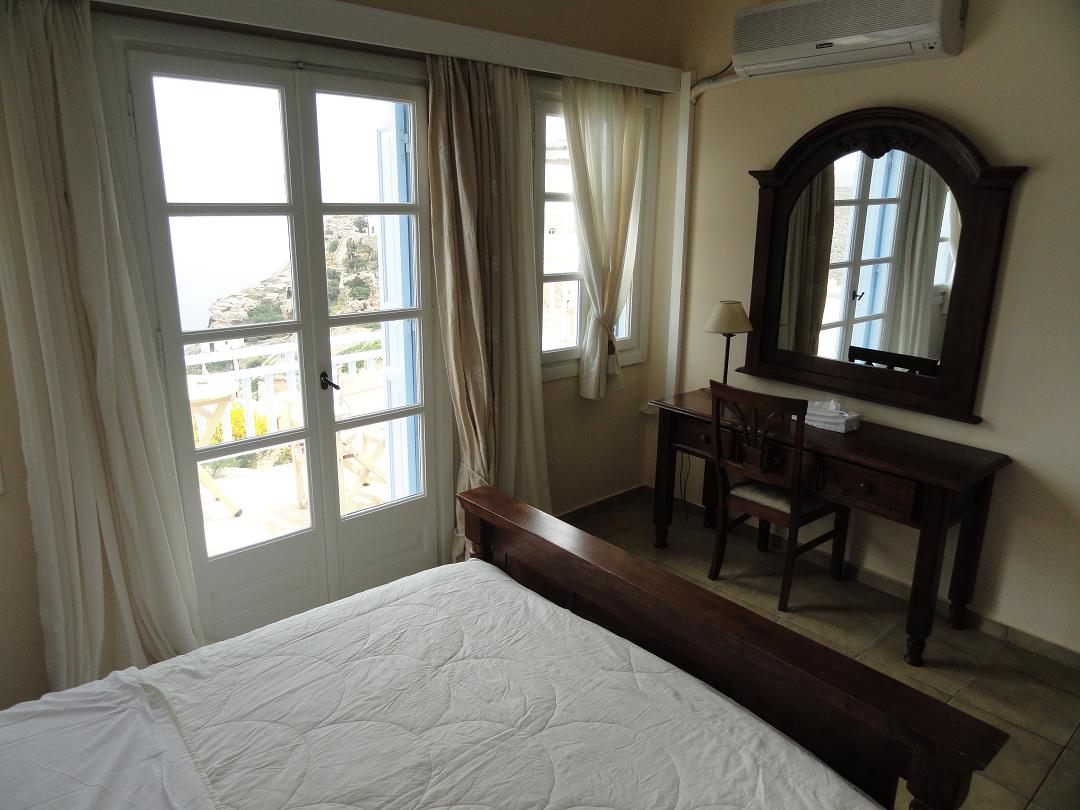
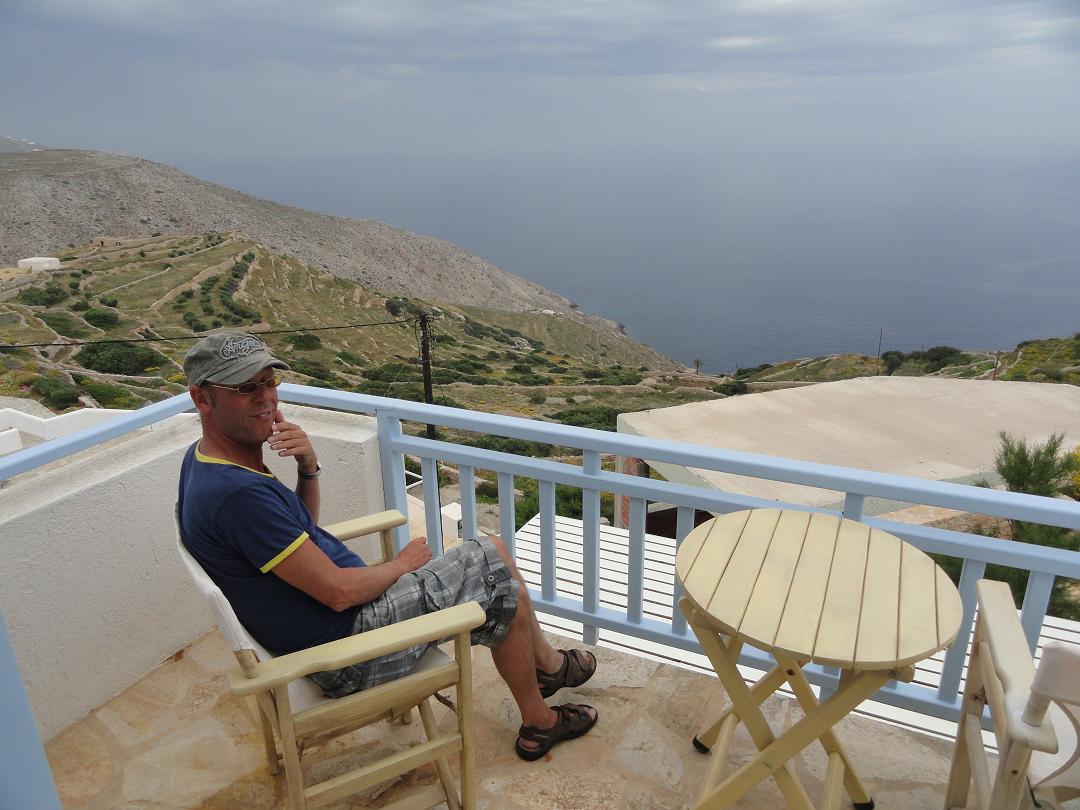
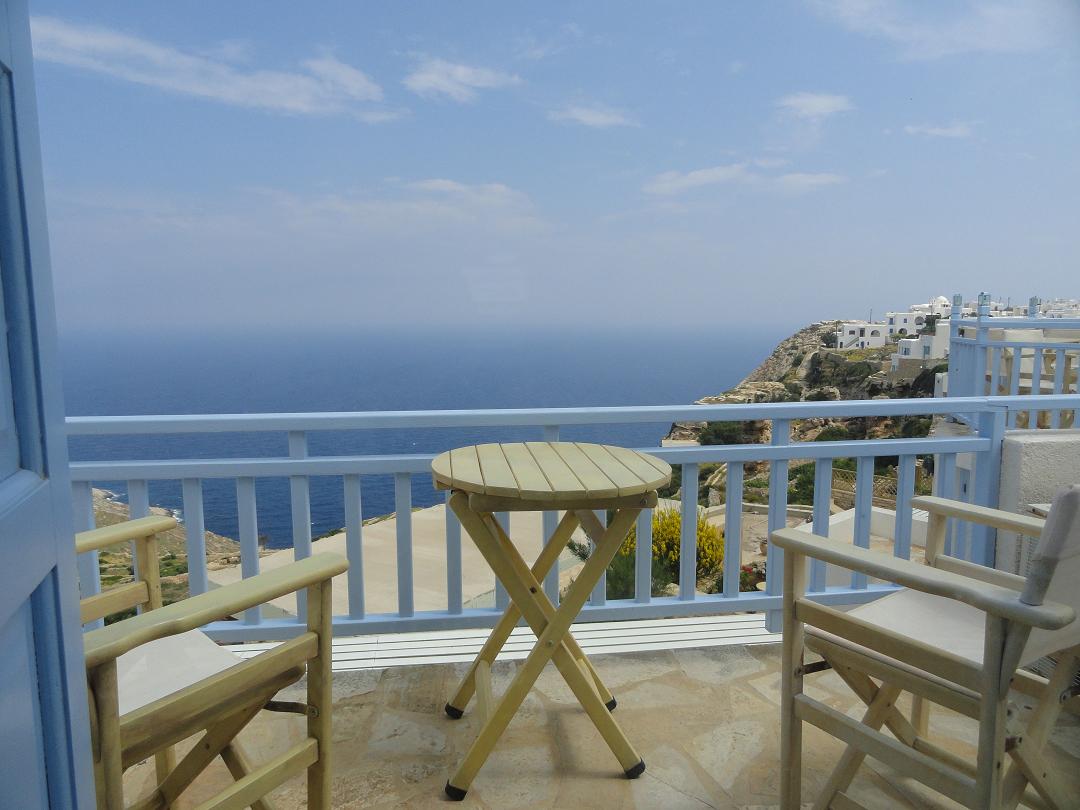
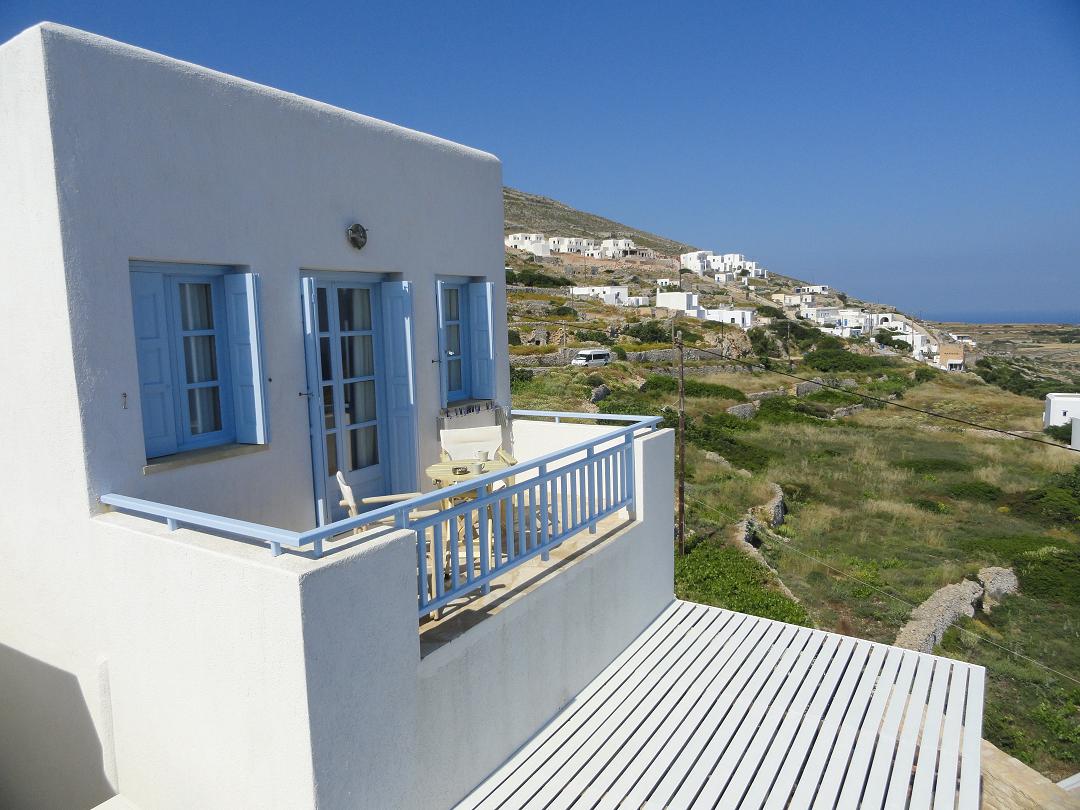
This is where we stayed while we were on Folegandros in 2011: the lovely Fata Morgana Studios in the Chora. It is probably the accommodation with the best view of the island, so good that every now and then a stranger would walk in to take pictures of it. Sitting on our balcony we could see the Chora and the Panagia church on our right hand side, the sea with the islands of Sifnos, Sikinos and Paros and Antiparos in front of us and on the left hand side there was a beautiful landscape and even more sea with the islands of Milos and Polyaigos and Kimolos in it. Fata Morgana is situated close to a parking at the beginning of the old Chora. There is not much traffic going on and it is a quiet place. There is a bus stop nearby the accommodation, so easy if you want to travel the island by public transport (even though the bus station is not far away as well). The old Chora with its churches, cozy squares with restaurants, supermarkets and the kastro are at your doorstep. The staff of the Fata Morgana Studios were exceptionally friendly and helpfull. Besides all this there is a wonderful swimming pool with comfortable beds and complimentary towels. Telephone: +30.22860.41237 - Mobile: +30.6936745261 - Fax: +30.22860.41547 |
 |
 |
 |
 |
 |
 |
 |
 |
 |
 |
| A little bit more about the Fata Morgana Studios in the Chora of Folegandros |
|
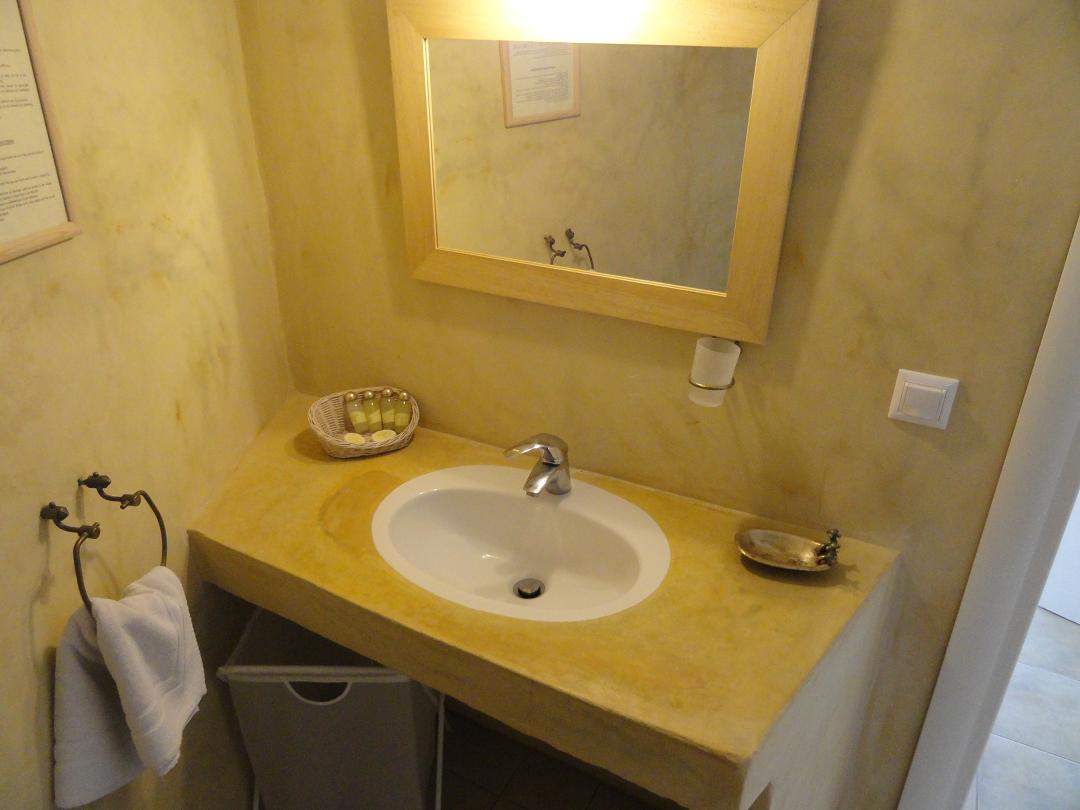
On arrival on Folegandros we were picked up by the car of Fata Morgana and a very friendly guy carried our luggage to the studio. The studio as you can see on the pictures was lovely with a comfortable big bed, a couch, satelite tv, a small kitchen with a fridge and all the equipment, a breakfast bar and a lovely balcony with amazing views. We also had other seats at the pool in front of our studio. The studio was cleaned every day, the bed made up and new towels supplied. If you want there is a wide choice for different kinds of breakfast in the morning, which is served at the pool or on your private balcony. |
 |
 |
 |
 |
 |
 |
 |
 |
 |
 |
| Hotels on the island of Folegandros - Vardia Bay Studios |
|
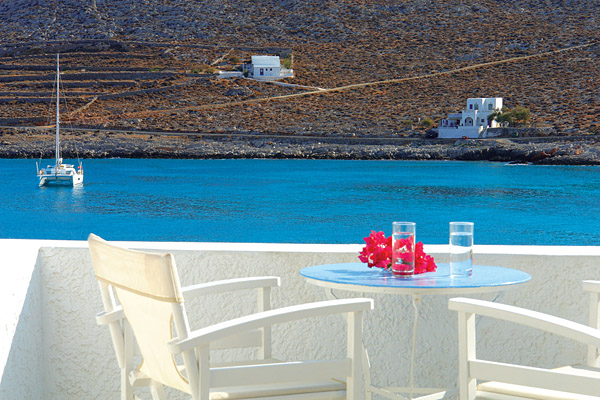
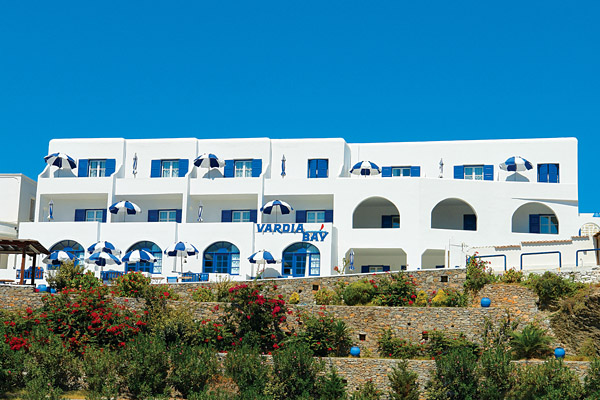
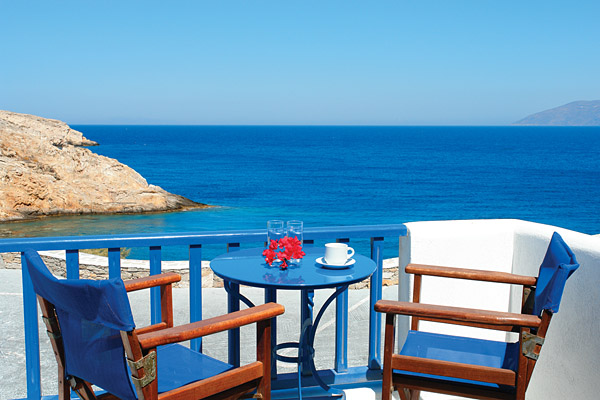
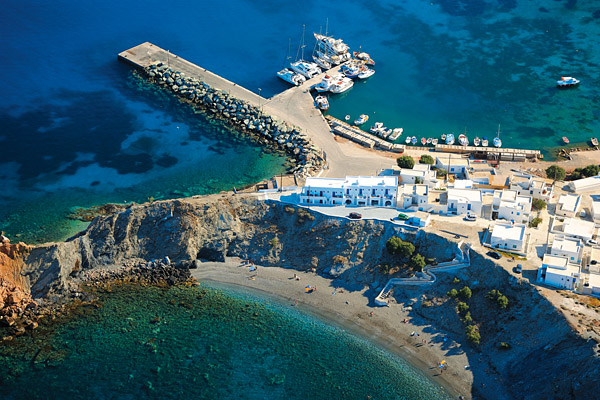
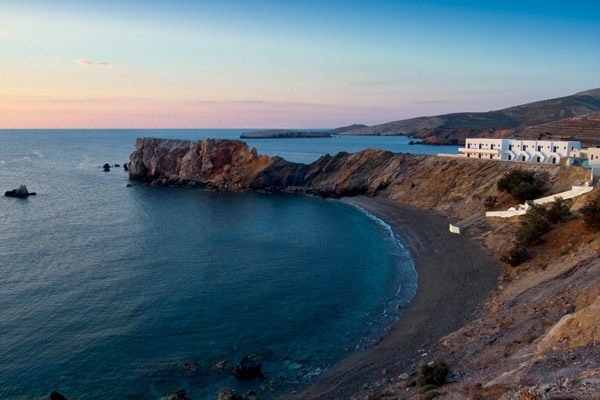
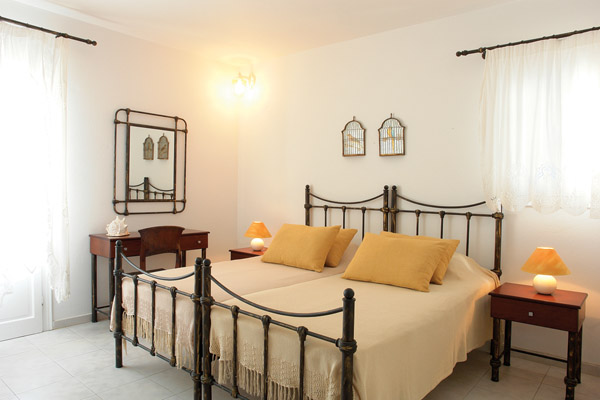
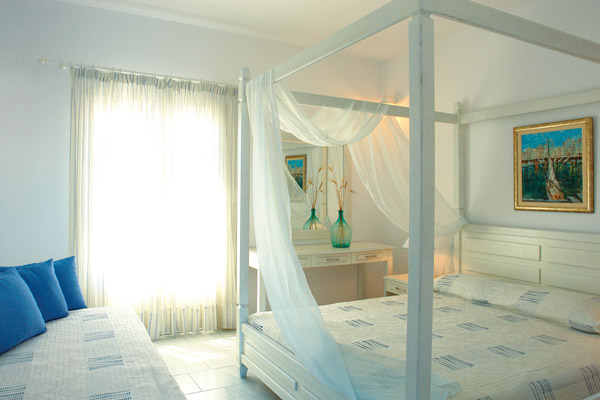
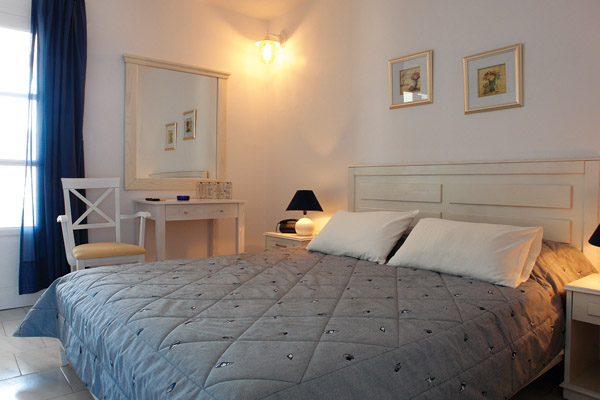
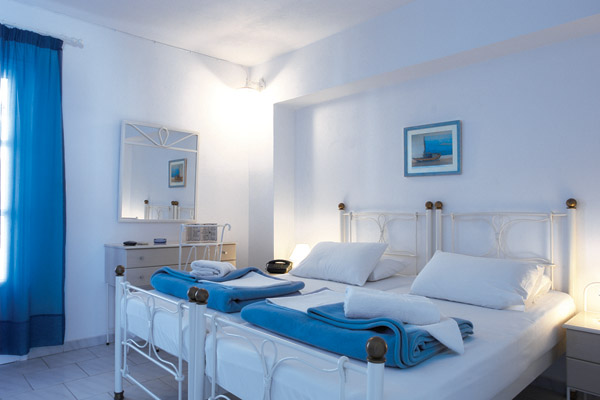
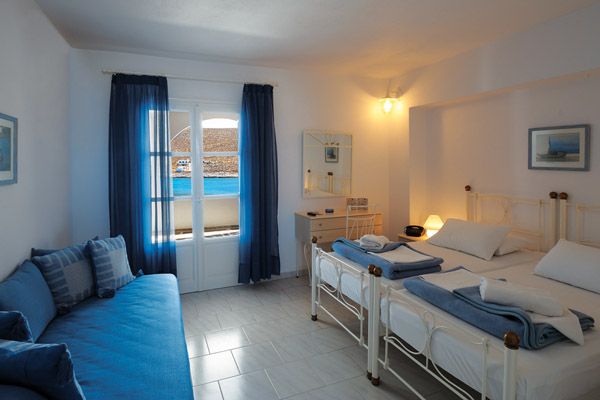
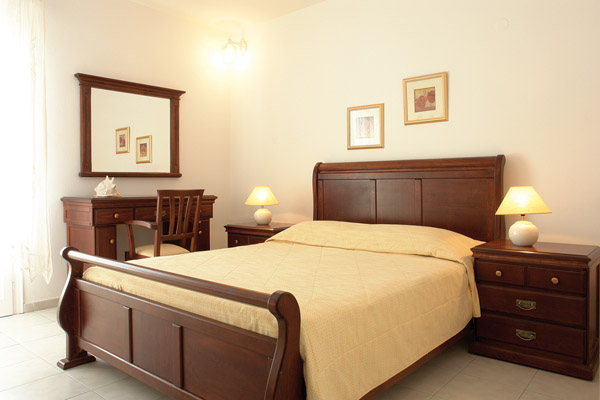
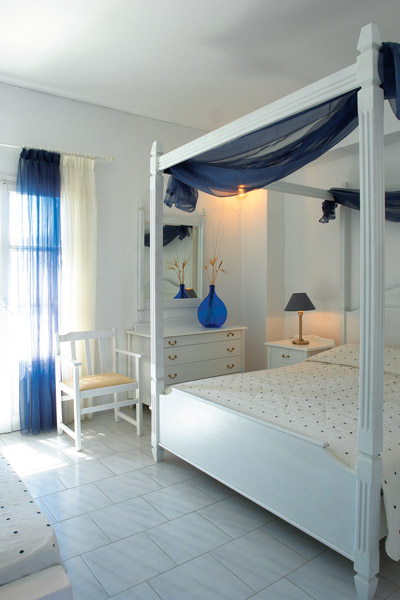
Overlooking the sea and Karavostasis Village, Vardia Bay provides comfortable self-catering studios and beautiful sea and village views, along with free internet access and free private parking. Vardia Bay Studios are situated along 3 different levels, allowing for beautiful views, close to the sandy beach. Relax in your comfortable and fully equipped studio and admire the stunning views of the sea. Start the day with a tasty continental breakfast in the privacy of your room. Check your emails using Vardia Bay's free internet access. Take a stroll through Karavostasis and visit the local shops, bakeries and cosy taverns. Walk along the private sandy beach. With its superb views and modern comforts, Vardia Bay Studios is an ideal base for exploring Folegandros. Check availability and prices & book Vardia Bay Studios in Folegandros click here |
 |
 |
 |
 |
 |
 |
 |
 |
 |
 |
|
More hotels - Book hotels on Folegandros Greece online - click here. |
| Travel to Folegandros in Greece - the ferries to Folegandros |
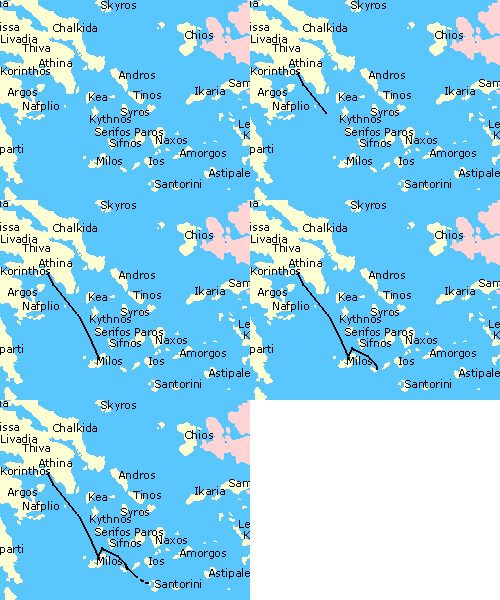
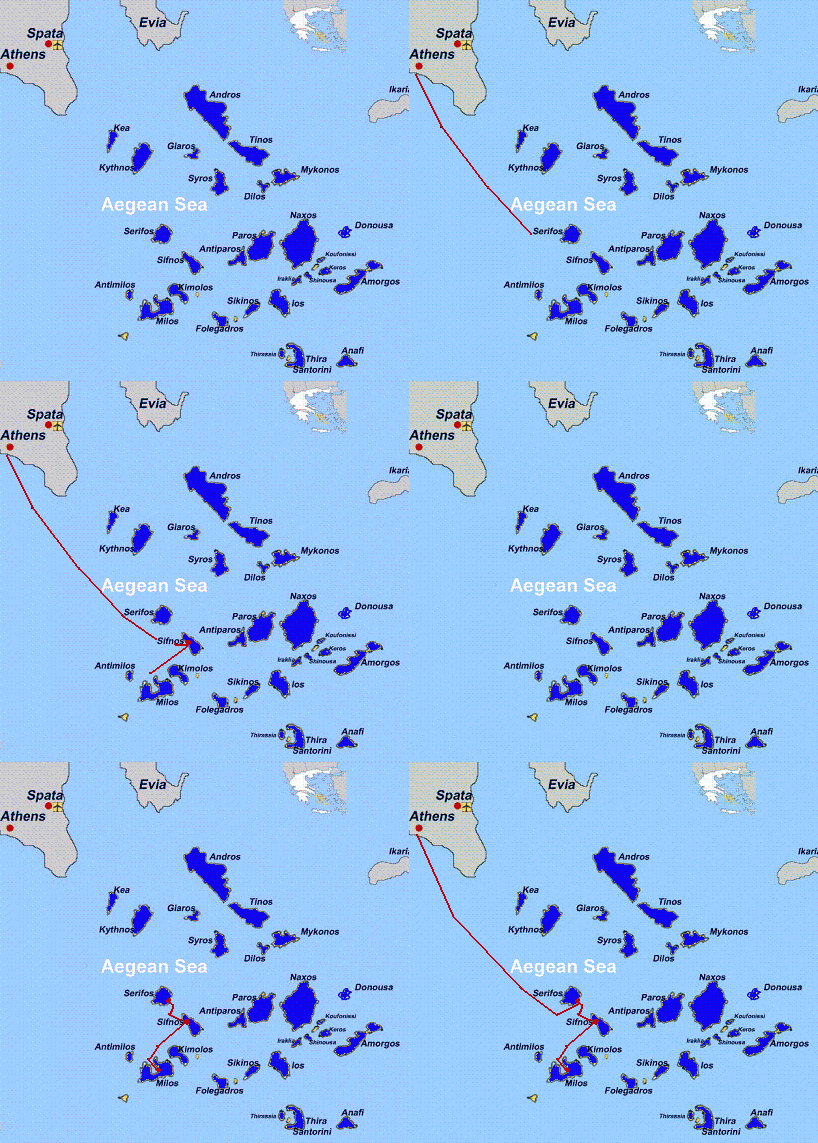
Folegandros has regular connections with the mainland (Piraeus - one of the ports of Athens). Sea Jets Consortium has a fast catamaran (passengers only) leaving in the morning and arriving in Folegandros (after a stop in Milos) some 4 hours later - you can check their website. Also check the websites of "Aegean Speedlines" (with a car ferry - route picture on the right, after Milos the ferry goes on to Folegandros) and "Zante Ferries" that have a connection with Folegandros and that makes stops at several other islands. All this said, it is wise to check the initiaries of the ferries on the internet in advance because they often change, and also from year to year things and routes can change. The nearest airport to Folegandros is situated on Milos island, but it is only for domestic flights since this is not an international airport. It is also possible to fly to Athens and than take a plane to Milos and from there take the ferry. From 2011 there are also daily ferries going from Santorini (Thira) and from Milos going to Folegandros. From Santorini the trip takes about 50 minutes, from Milos a little over an hour. For schedules and a possibility to book a ticket - click here. |
| Rent A Bike At Folegandros Island - Scooterland Venetia in Chora |
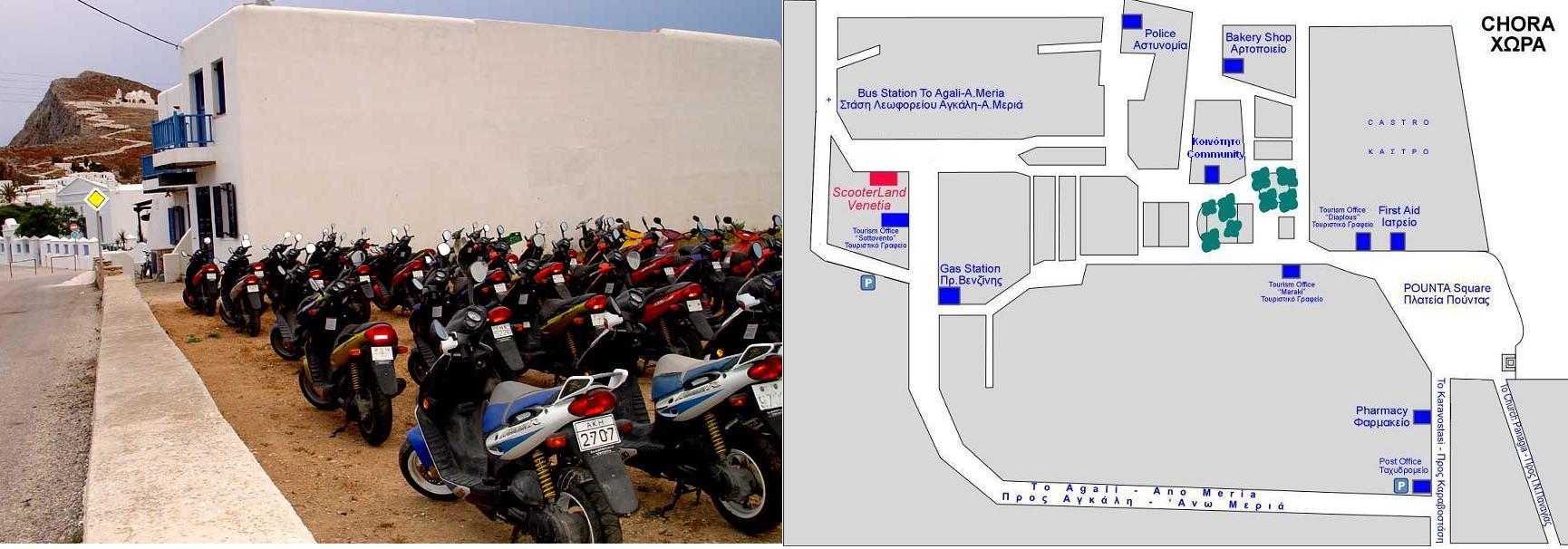
If you are going to visit an island in Greece I say it is always a good idea to rent a car or a motor cycle (even if it is only for one or two days). I haven't found a car rental on the island, but I did find this one, Scooterland, where you can rent bikes and quads. If you want you can call them or e-mail them and reserve ahead. Telephone +30 2286 041316 / Mobile +30 6972 184814 - Send an e-mail to Scooterland Venetia in Folegandros |
| Rent A Motor or Quad on Folegandros Island - Rent a Moto in Chora |

Another Motor and ATV (quad) rental in the Chora of Folegandros is Rent a Moto Telephone +30 2286041346 / Mob : +30 6946494642 - Send an e-mail to Rent a Moto in Folegandros |
| Rent A Car on Folegandros Island - Tomaso Car Rental in Chora |

Although Folegandros is an excellent island for walking there are always people that prefer a car to go and explore the beaches and the sights. It's comfortable and easy, especially when it is hot. New is the Tomaso Car Rental in the Chora of Folegandros. You can call them or send them an e-mail to see if they have a car for you at what price and you can reserve ahead. The owner is called Thomas. Telephone +30 2286041600 / Fax : +30 2286041601 - Send an e-mail to Tomaso Car Rental in Folegandros |
© Hans Huisman, https://www.angelfire.com/super2/greece/ 2013